Guide
Website speed and enquiries
Website speed and conversions are worth investing in when your own data shows that slow pages may be costing you enquiries and a fix could justify the cost.
Insights
Guides on plugin updates, slow pages, migrations, technical SEO, email delivery and tracking, with some on Shopify and local search.
Website speed and conversions are worth investing in when your own data shows that slow pages may be costing you enquiries and a fix could justify the cost.
Web font performance improves when you load fewer font files, use efficient formats and choose how text appears while fonts download.
WordPress uptime monitoring should check whether your site is reachable, whether important pages are correct and whether enquiries or transactions actually work.

WooCommerce for service businesses can handle paid bookings, deposits, session packages and recurring plans on WordPress.

WordPress custom post types give repeated business content, such as services, locations and team members, a consistent structure instead of separate pages.
Choosing multisite vs separate sites depends on who controls each website, how much they share and whether they may need to operate independently later.
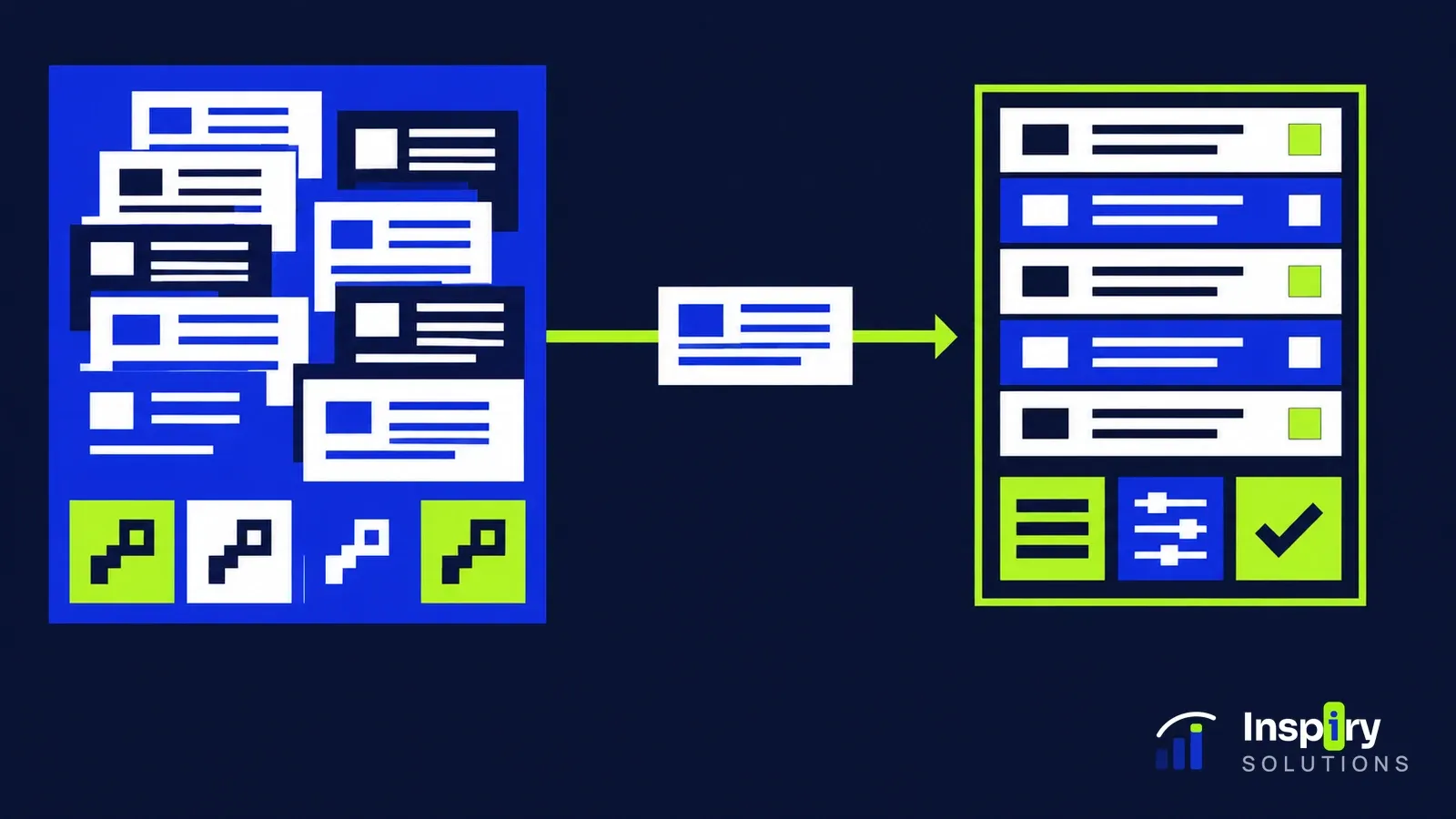
You can switch web developers without rebuilding your website in most cases. First secure your accounts, test a complete backup, and arrange a controlled handover.
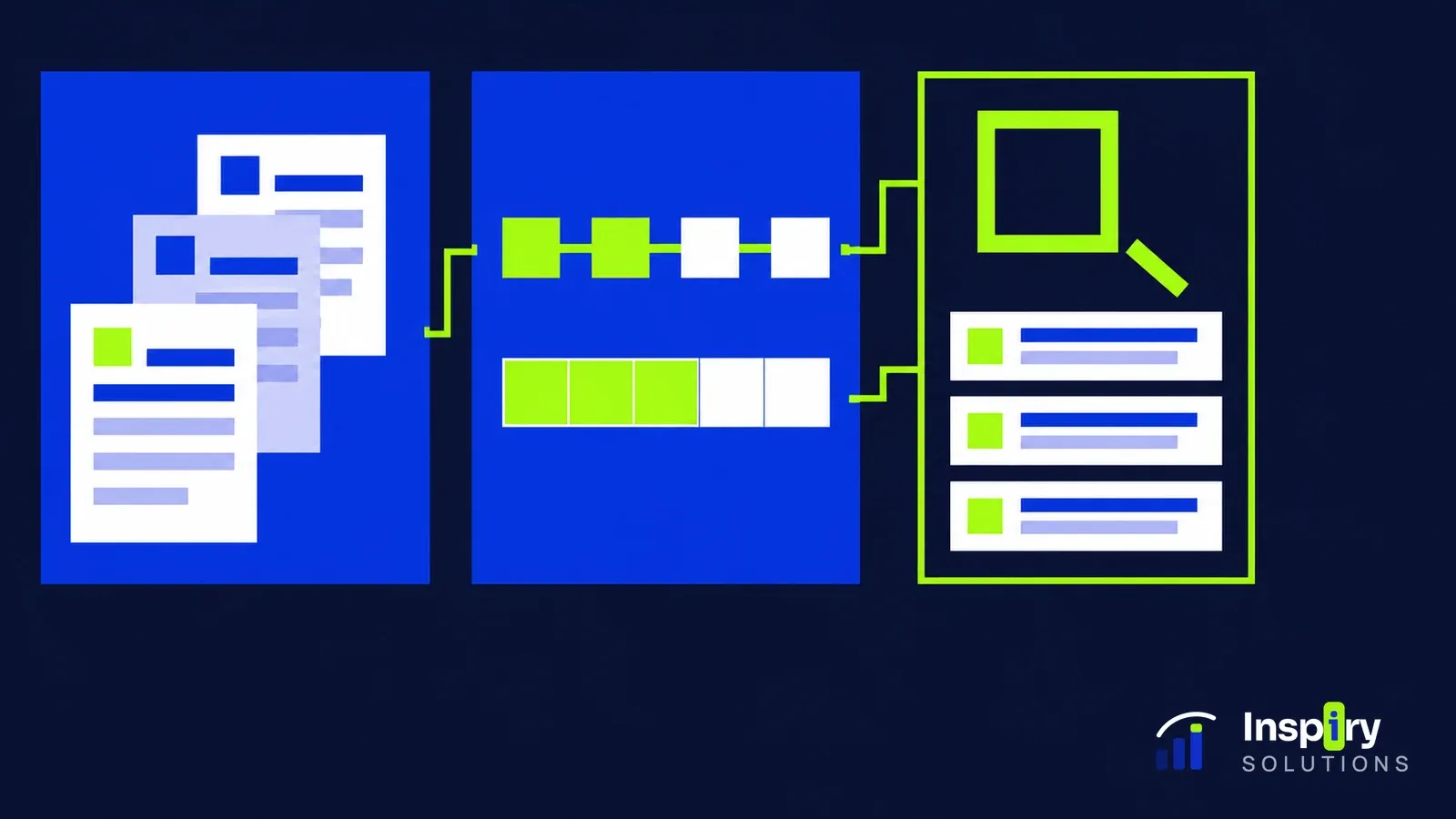
Fixed price vs hourly web development is safest when the billing model matches how clearly the work can be defined.

Shopify Plus vs Advanced comes down to whether your store needs capabilities Advanced cannot provide, and whether their financial value covers the extra cost.

Shopify Markets SEO lets one Shopify store serve UK and US shoppers with local currencies, regional URLs and relevant content without needing separate stores.
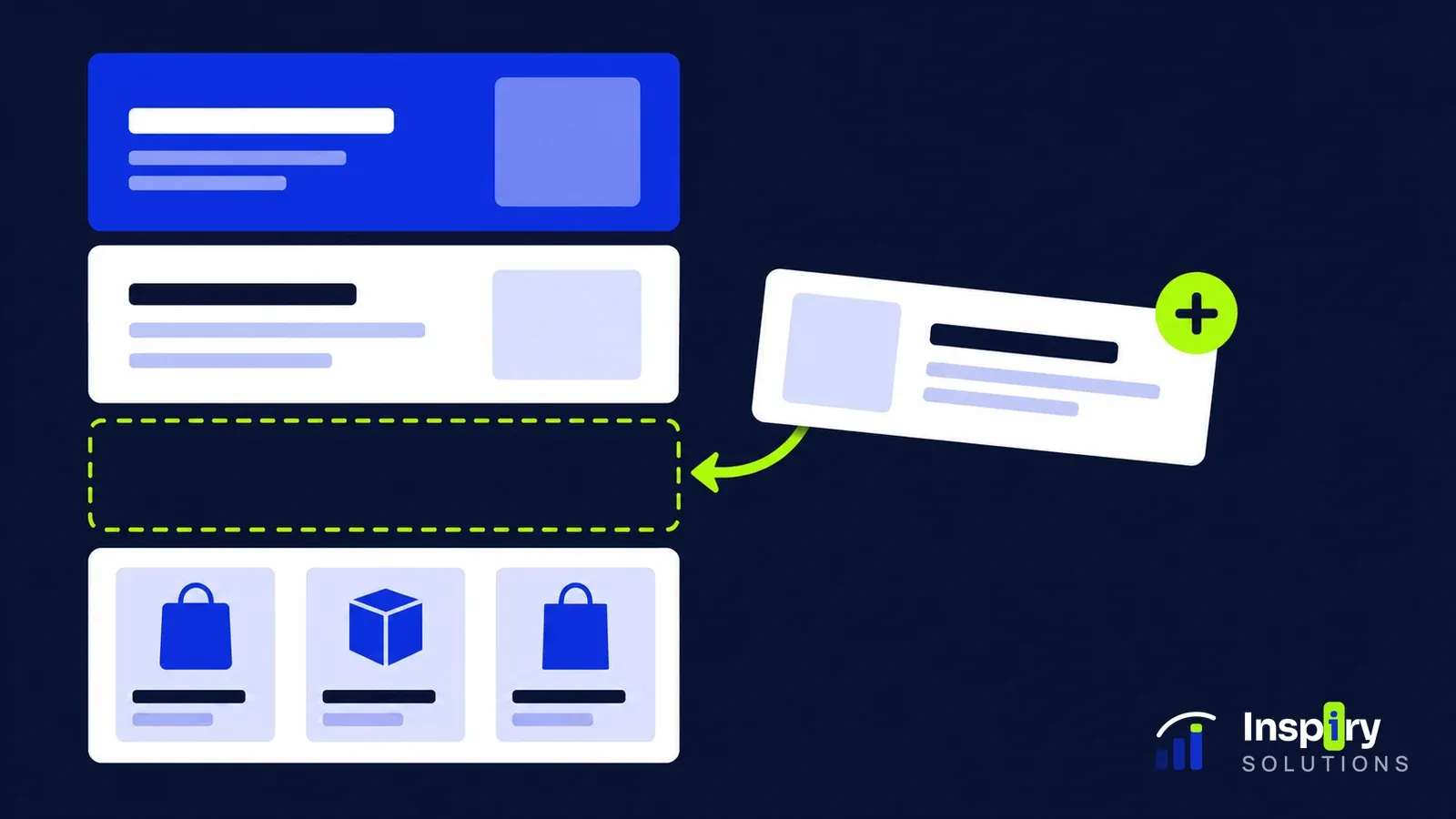
Shopify Online Store 2.0 lets your team build pages, rearrange sections, display product-specific information and add compatible app features without changing code.
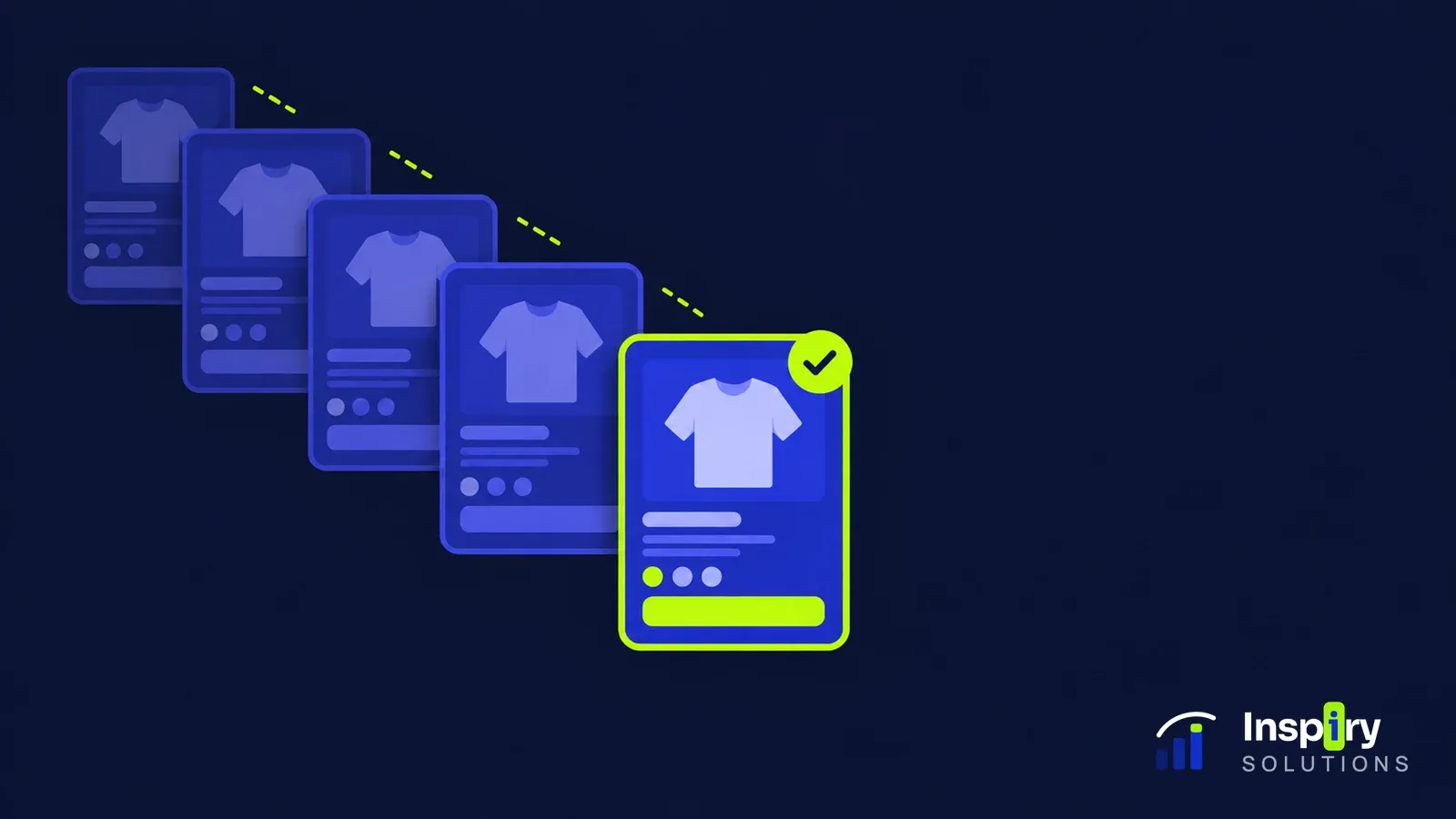
Shopify duplicate content is usually manageable because canonical tags tell Google which product URL you prefer, but internal links can send mixed signals.
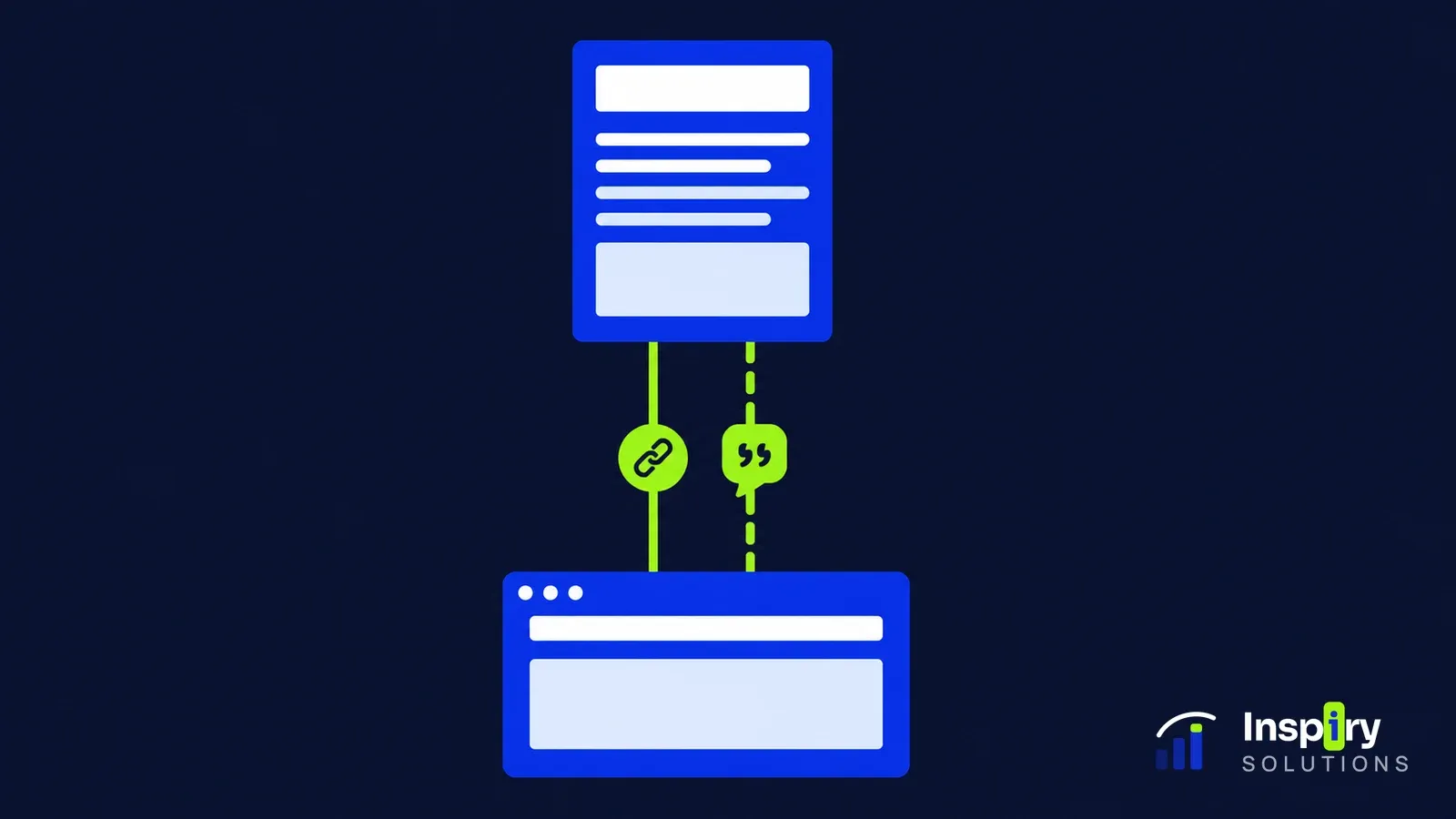
Brand mentions SEO is about where and how your business is named online, while backlinks are clickable links from other websites to yours.
Organization schema is structured data that identifies your business through its name, website, logo, contact details and official online profiles.
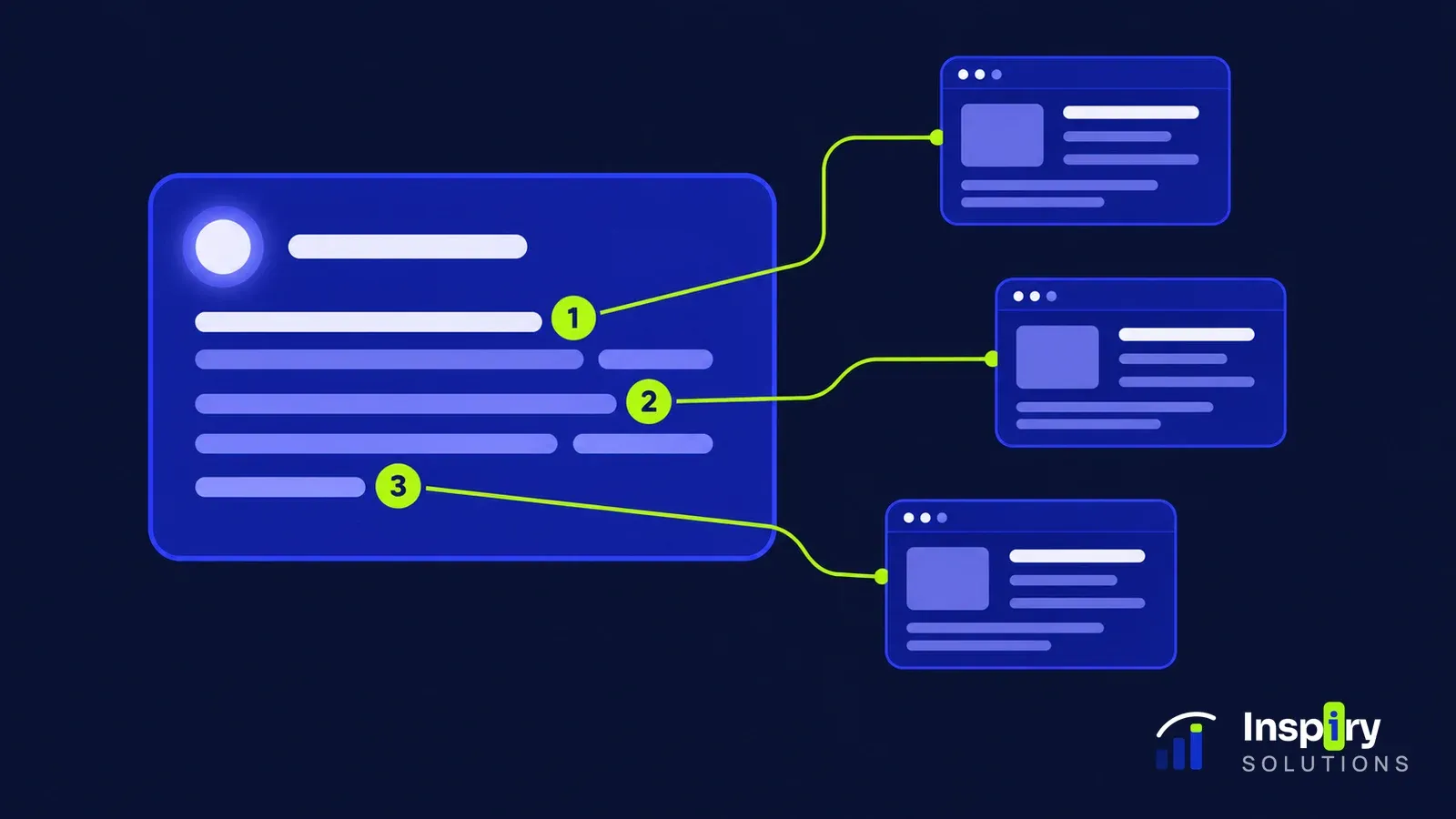
Perplexity SEO means making your website accessible, accurate and useful enough to be considered when Perplexity searches for answers and cites web pages.

Local SEO reporting should show whether search visibility leads to calls, direction requests, website enquiries and booked work, not just better rankings.

Service area business SEO starts with an accurate Google Business Profile, a hidden address where appropriate, realistic coverage areas and useful website pages.
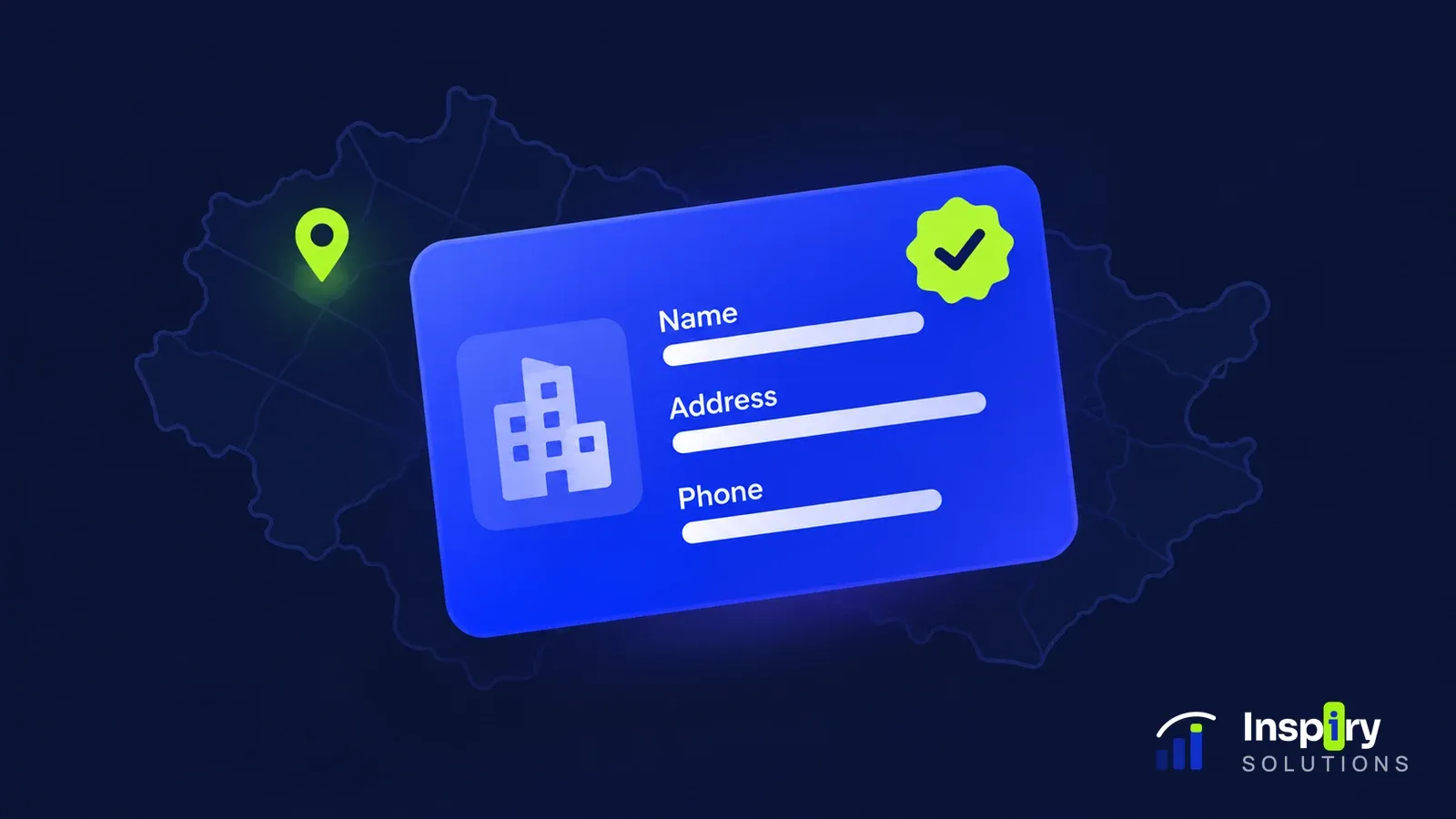
Local citations still matter when they help customers and search systems find accurate business details, but quality and consistency matter more than volume.
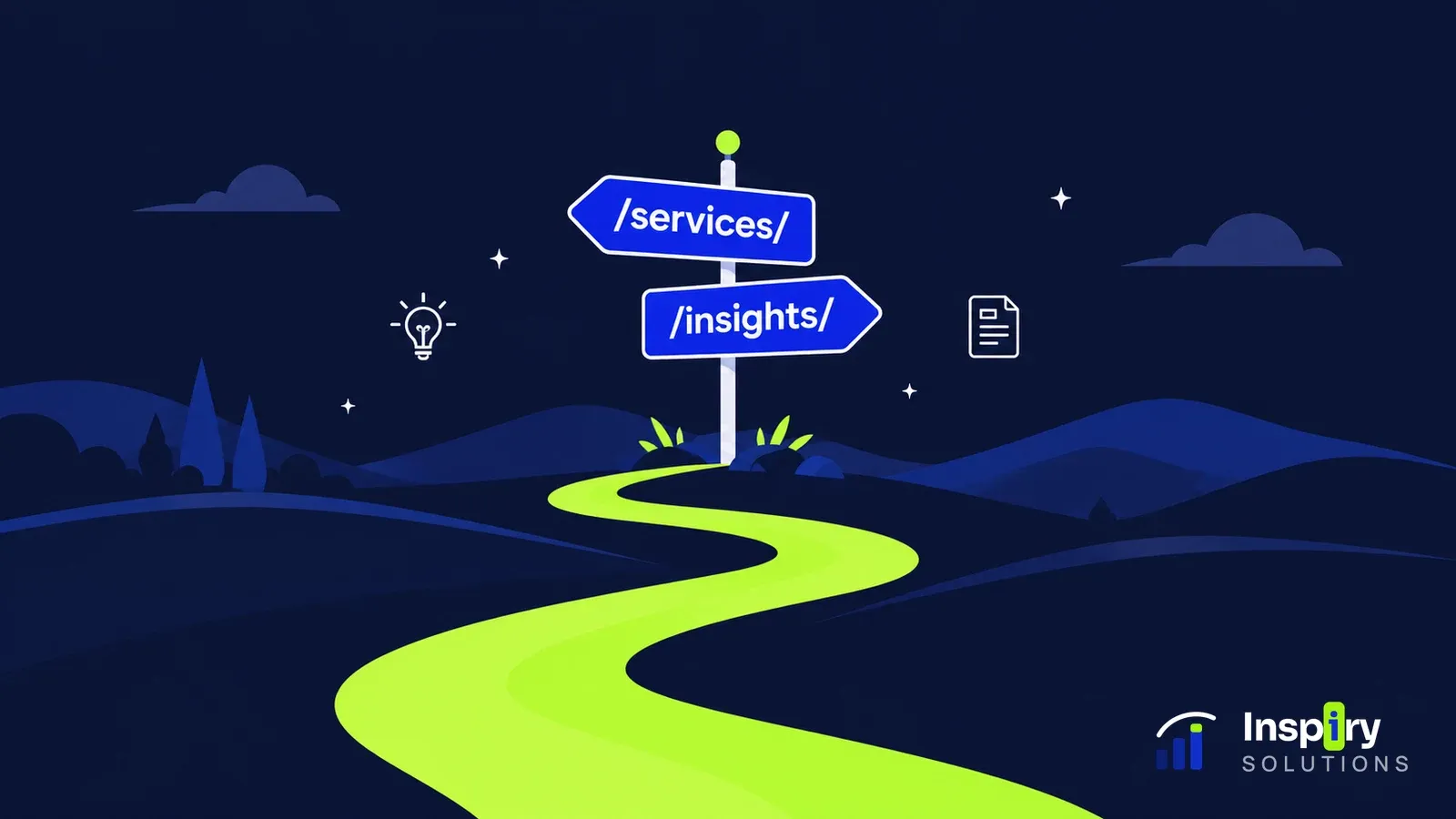
An SEO friendly URL structure uses short, descriptive slugs, logical folders and consistent formatting. Keep working URLs unless a change has a clear benefit.
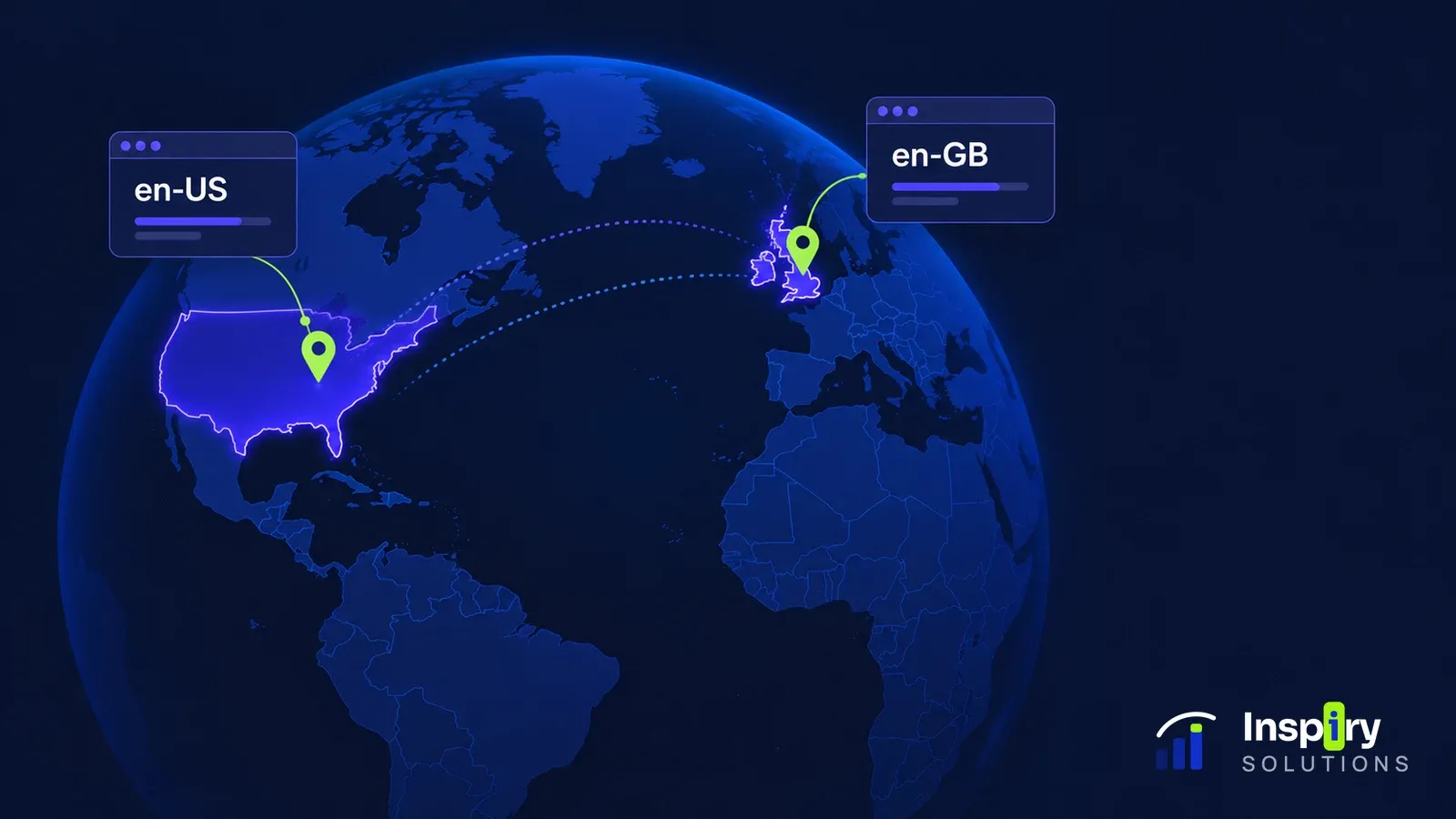
Hreflang for UK and US audiences is only necessary when your website has separate regional page versions. One English site can serve both countries.
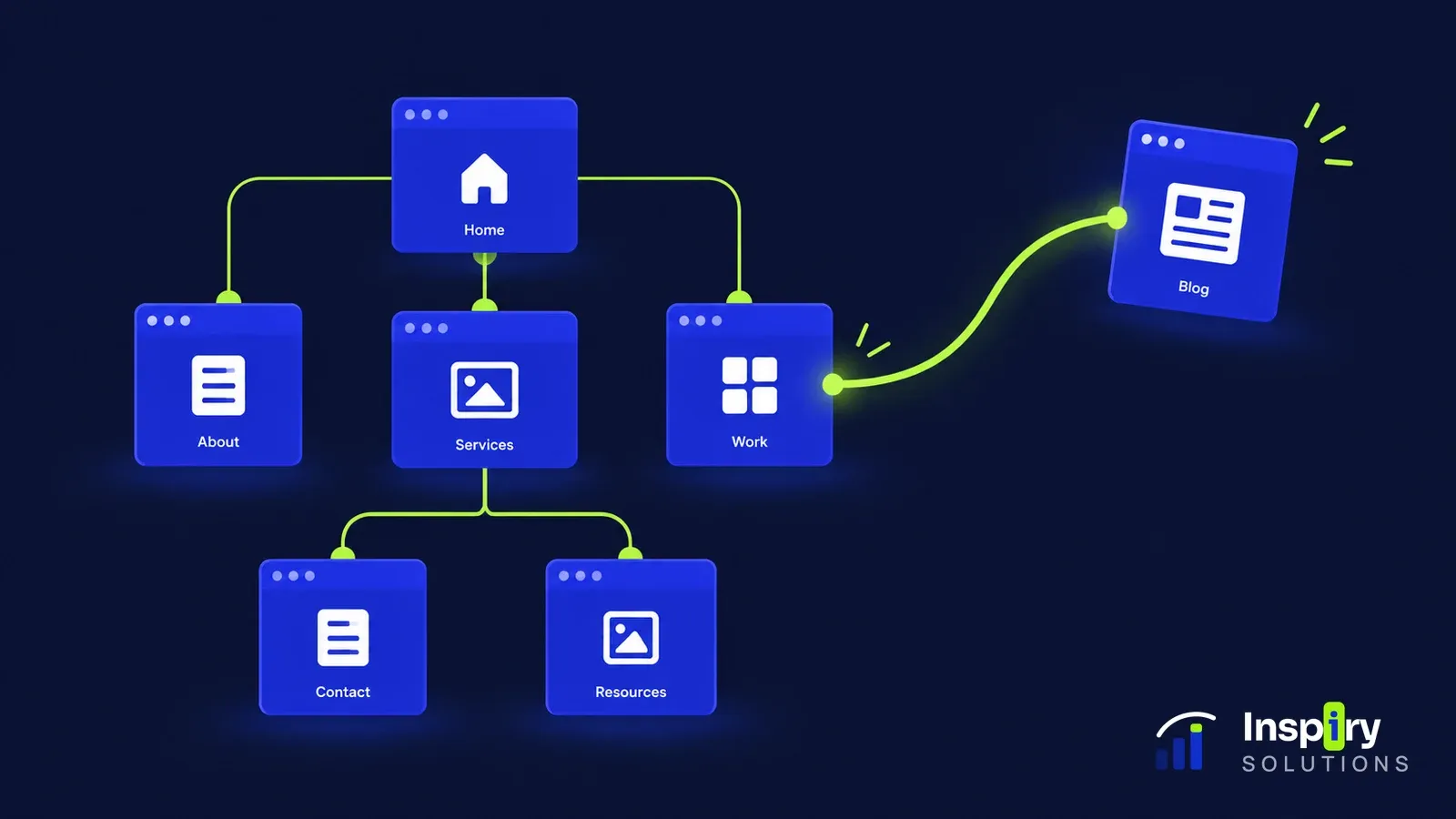
Orphan pages SEO starts by comparing a website crawl with published URLs and search landing pages. Find disconnected pages, then link, merge or remove them.
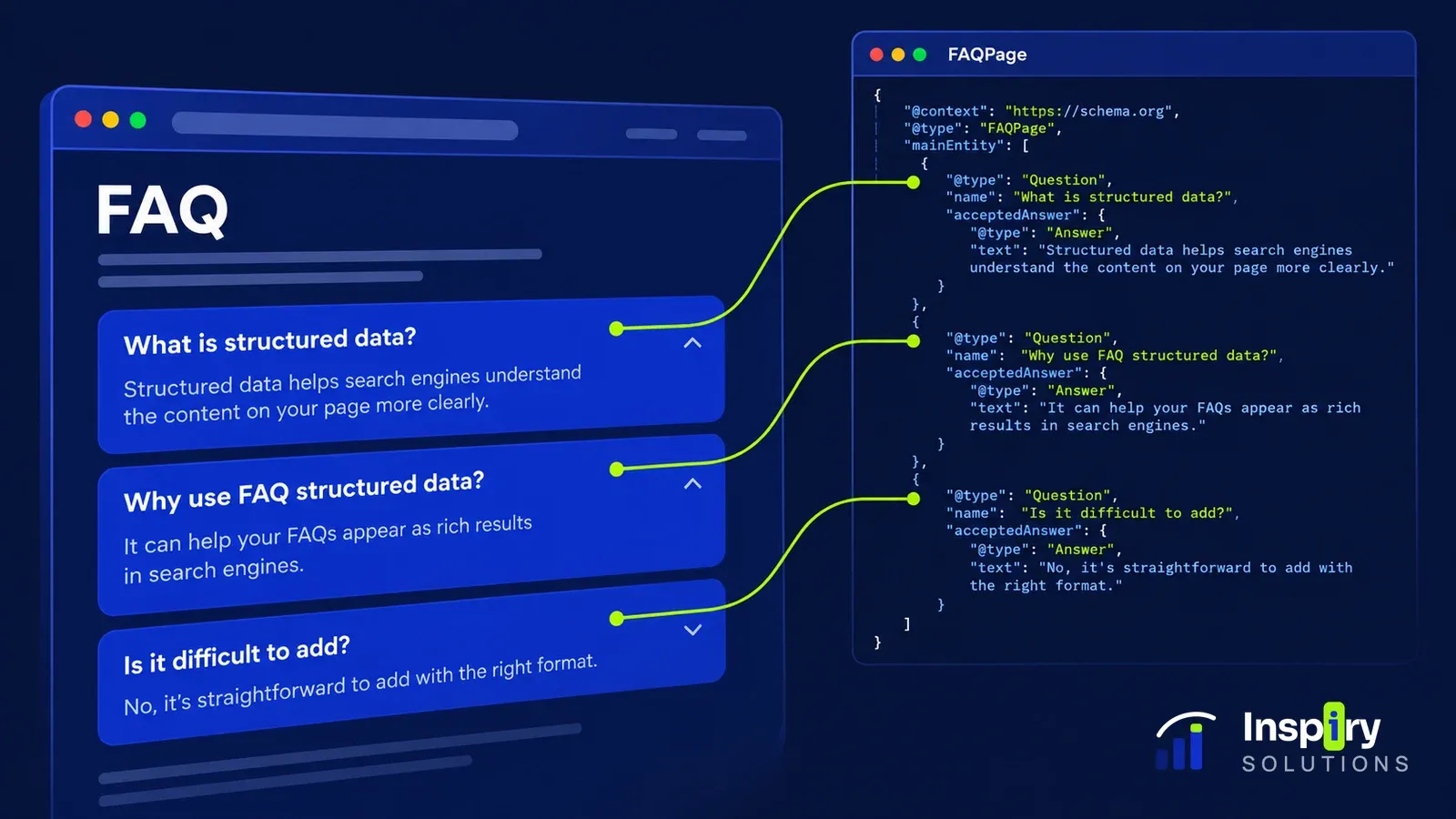
FAQ schema can still describe genuine questions and answers, but Google no longer displays FAQ rich results. Learn when to keep, fix or remove it.
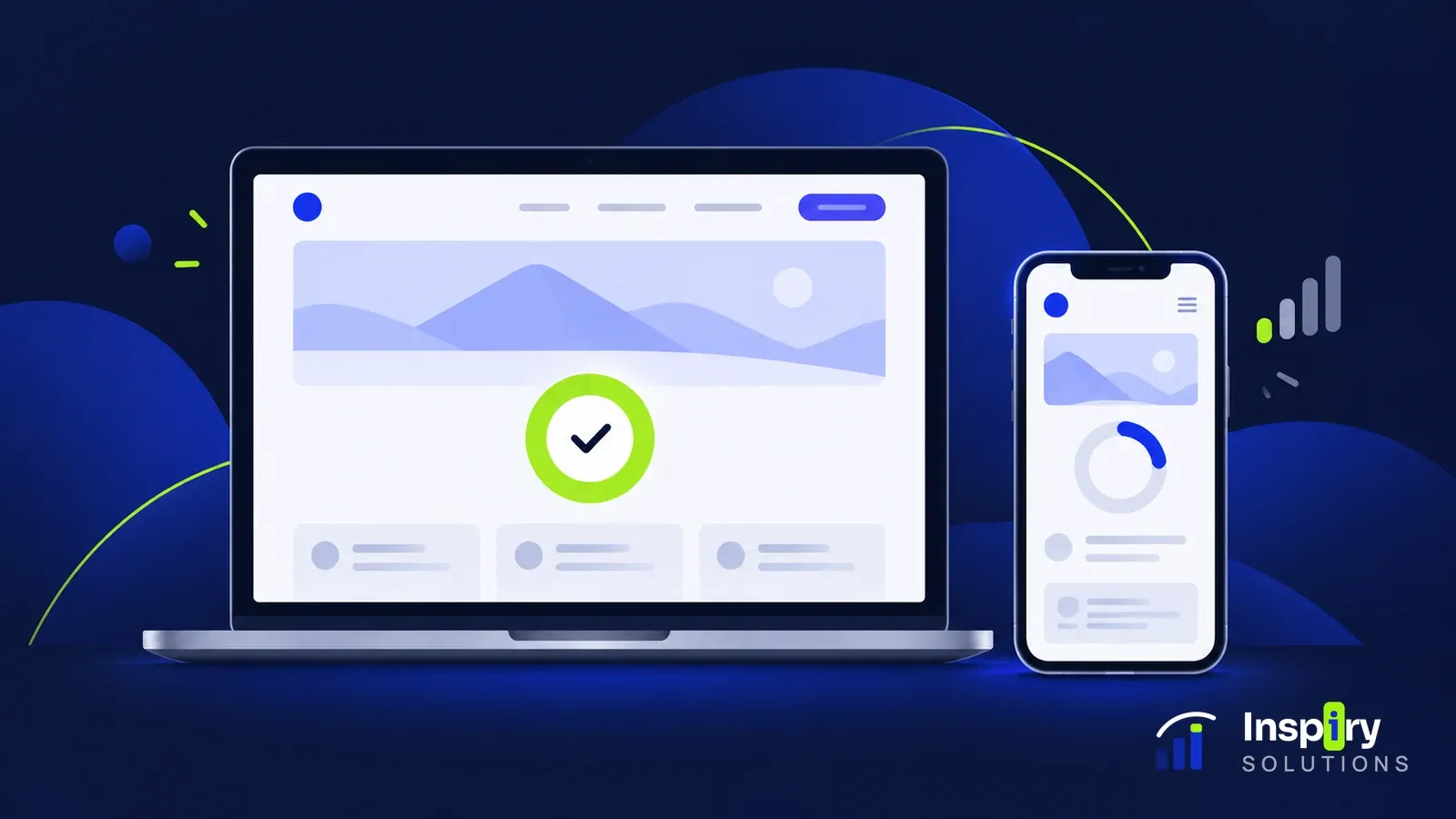
Mobile website speed is often lower than desktop speed because phones have less processing power, mobile connections add delays, and heavy pages magnify both.
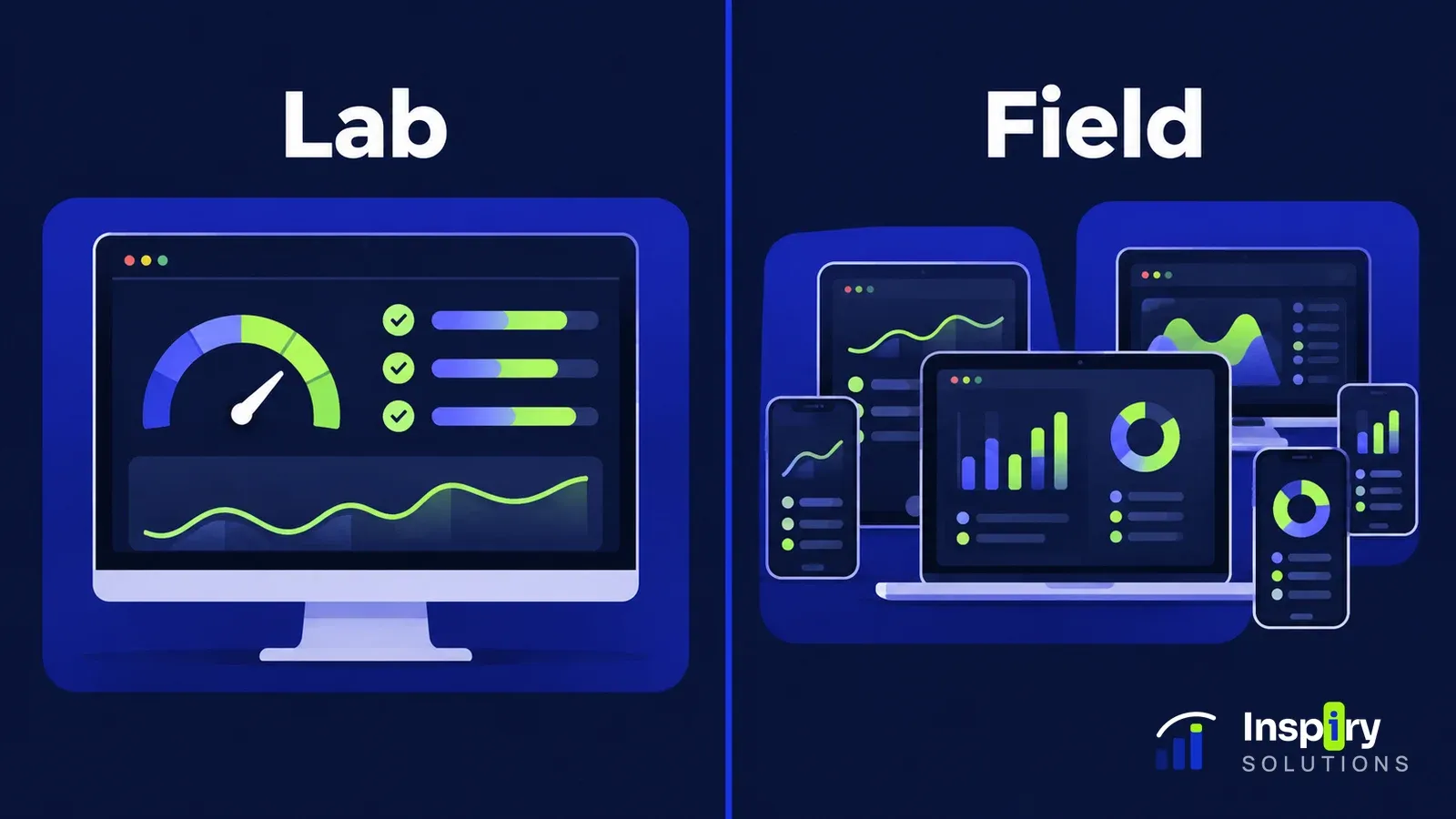
Lab data vs field data can disagree because one measures a controlled test while the other reflects real visitors across different devices and conditions.
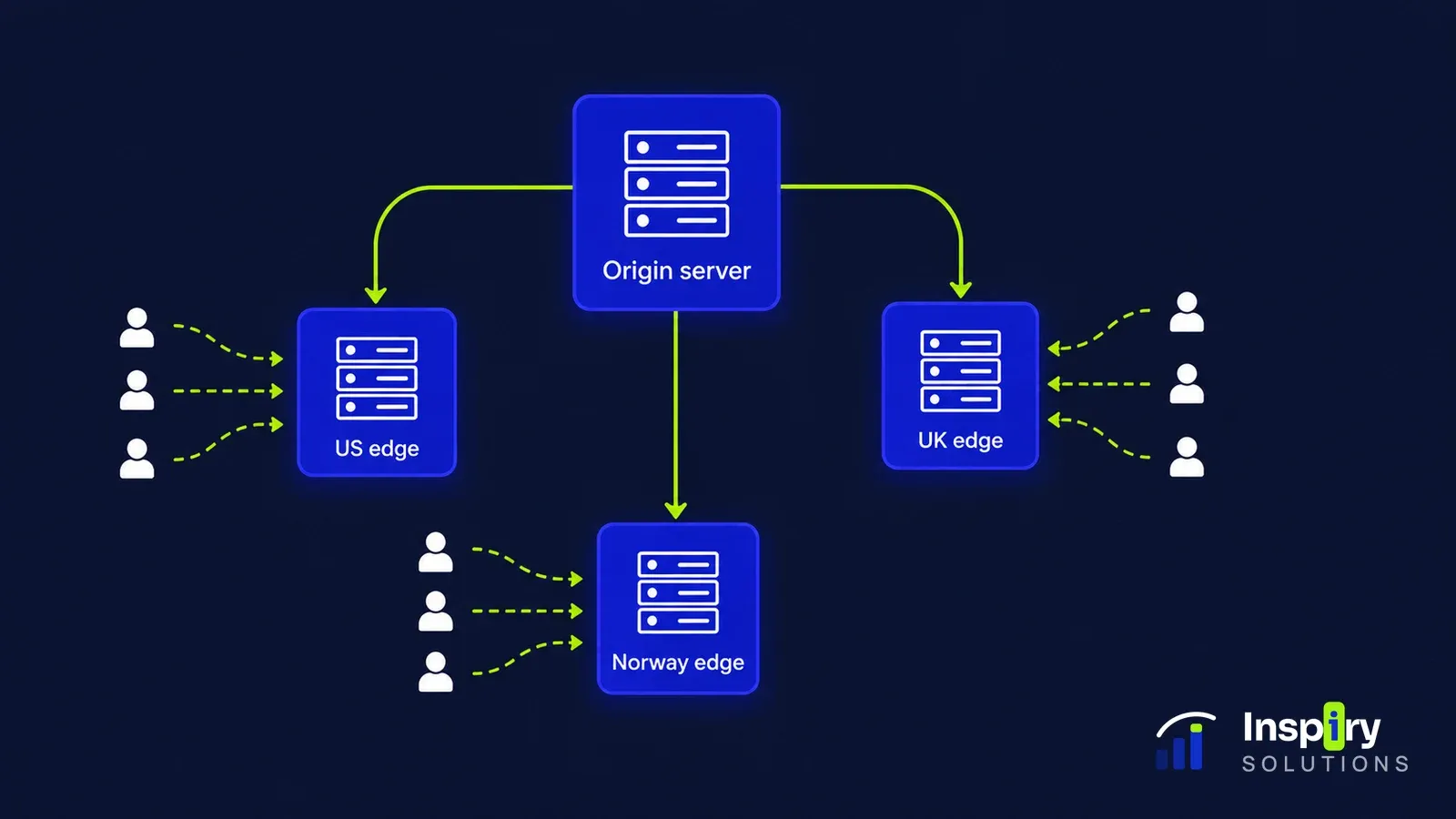
Do I need a CDN? Probably, if your visitors are spread across countries and your site serves large files. If your audience is local, the benefit may be small.
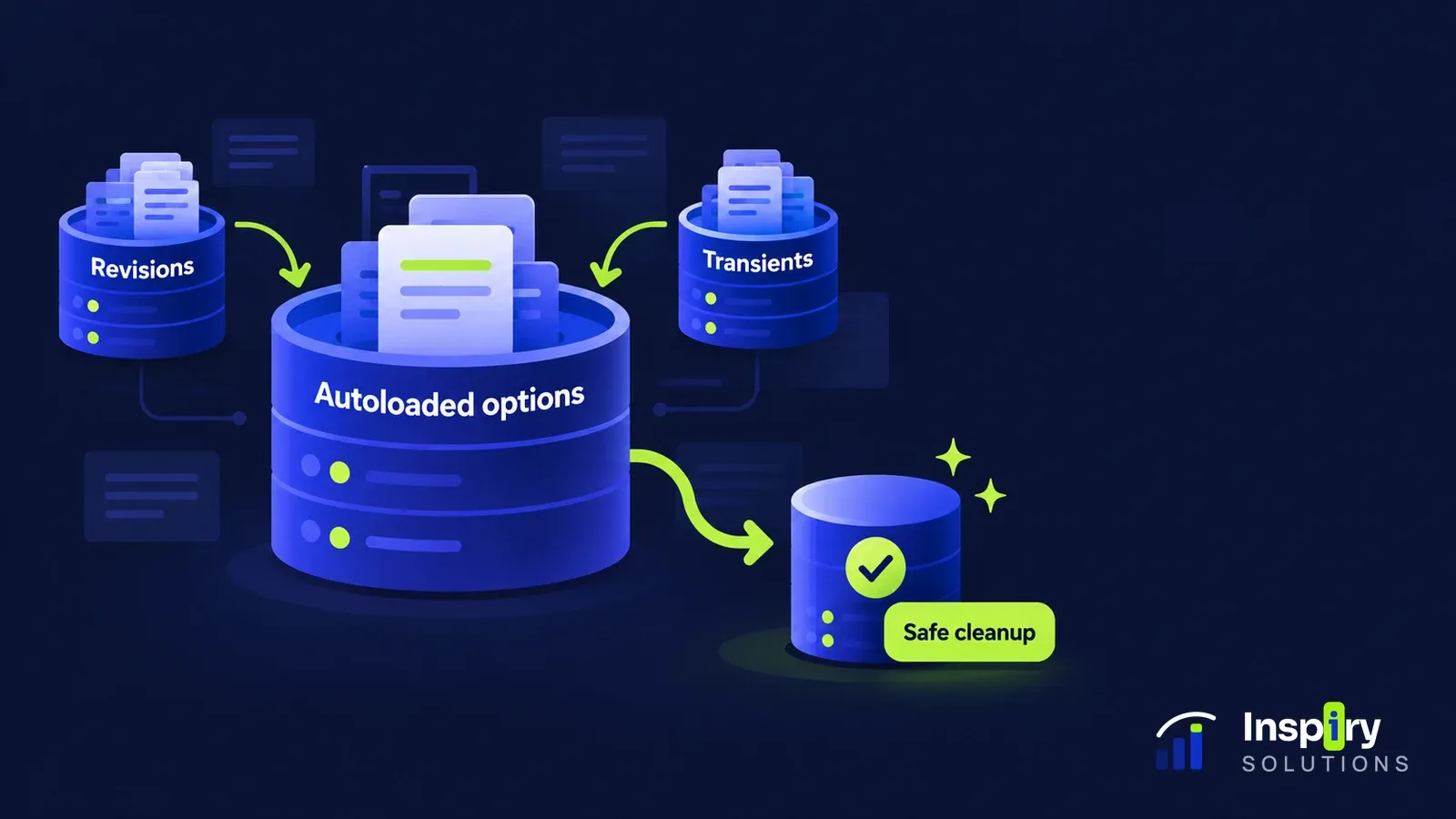
WordPress database optimization starts with measuring what WordPress loads on each request, not simply deleting old records or shrinking tables.
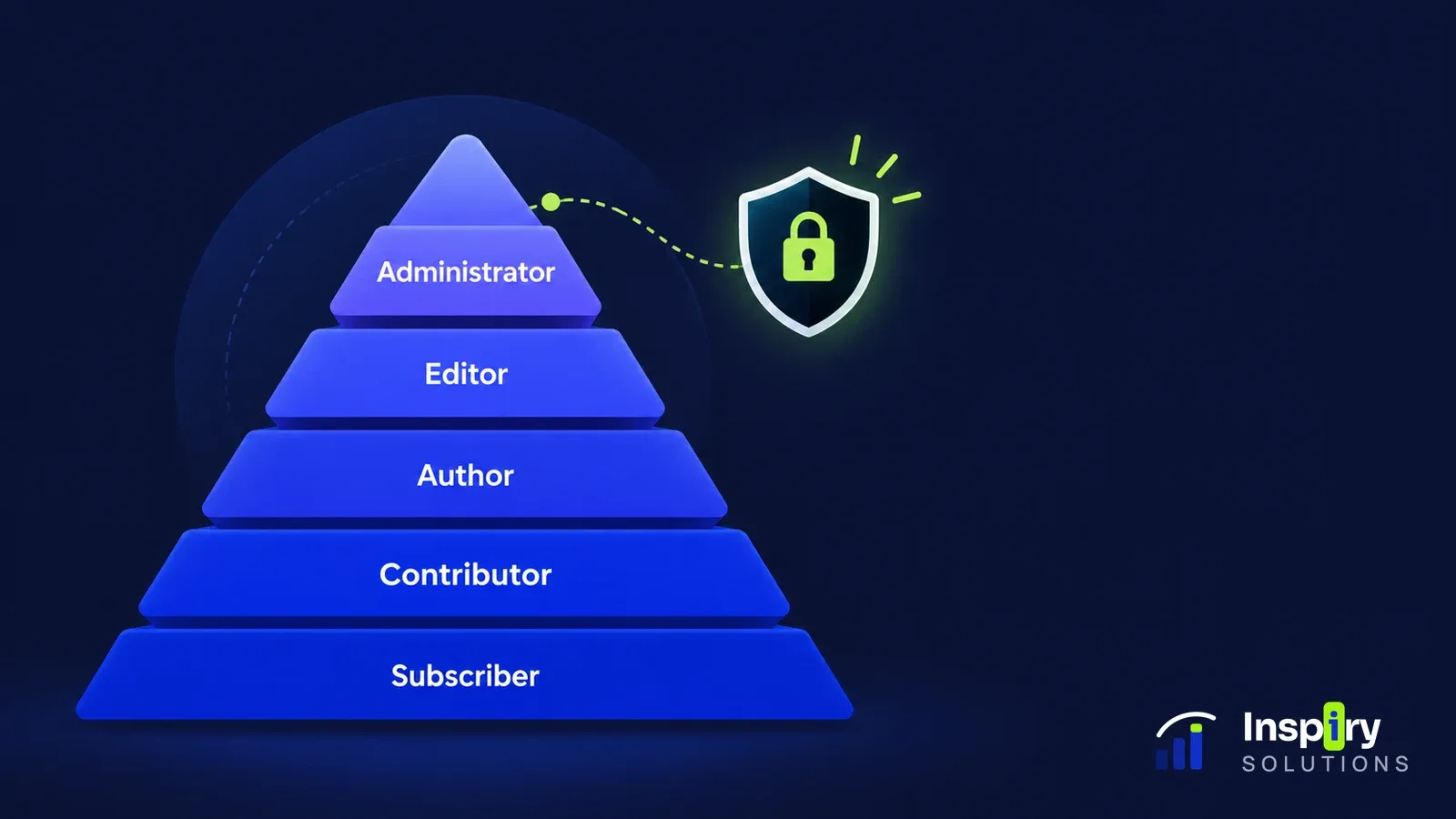
WordPress user roles determine what each person can do on your website. Give team members only the access their work requires.
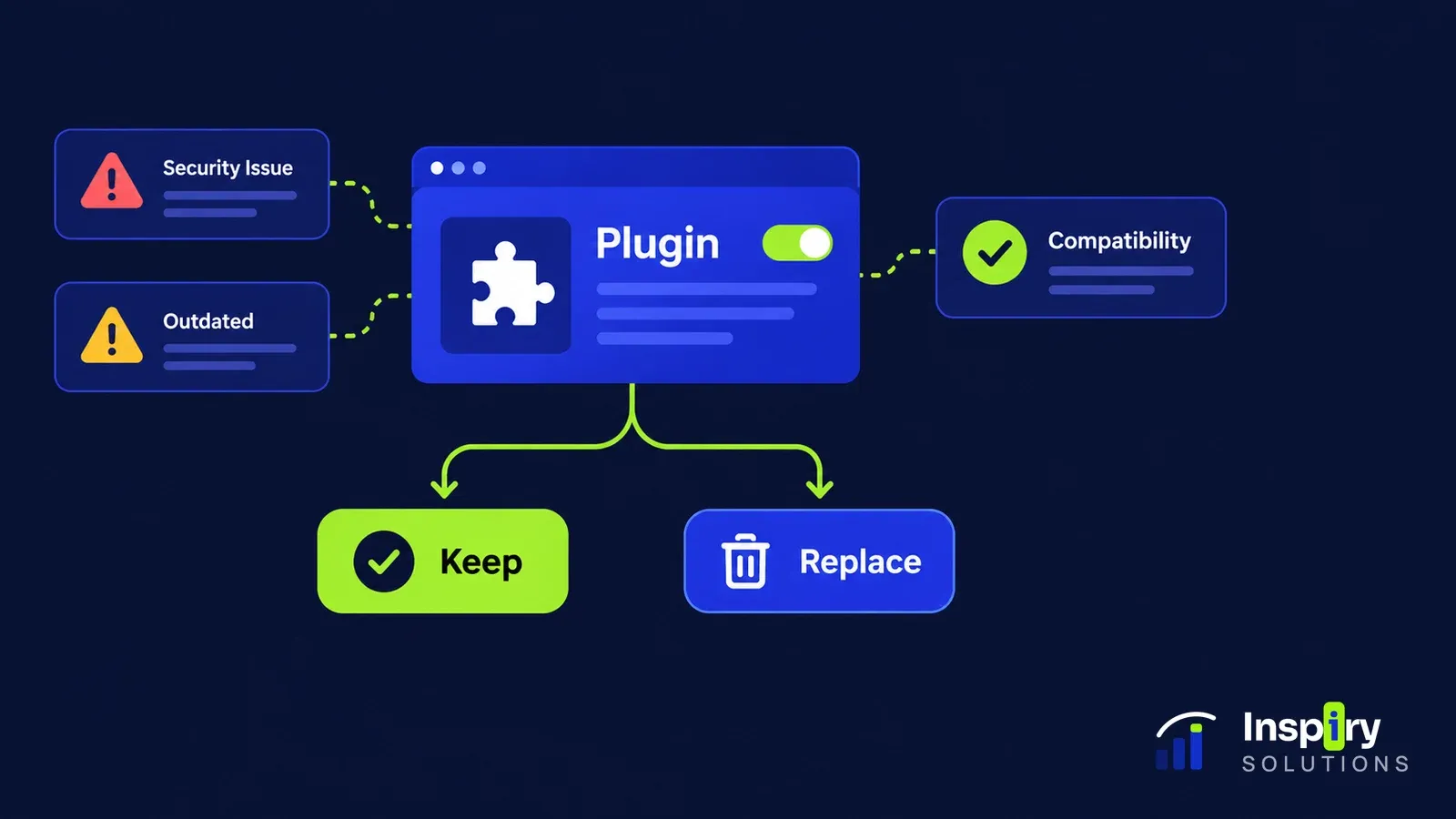
Abandoned WordPress plugins may put your site at risk. Learn seven warning signs and how to replace them safely without losing important functionality.
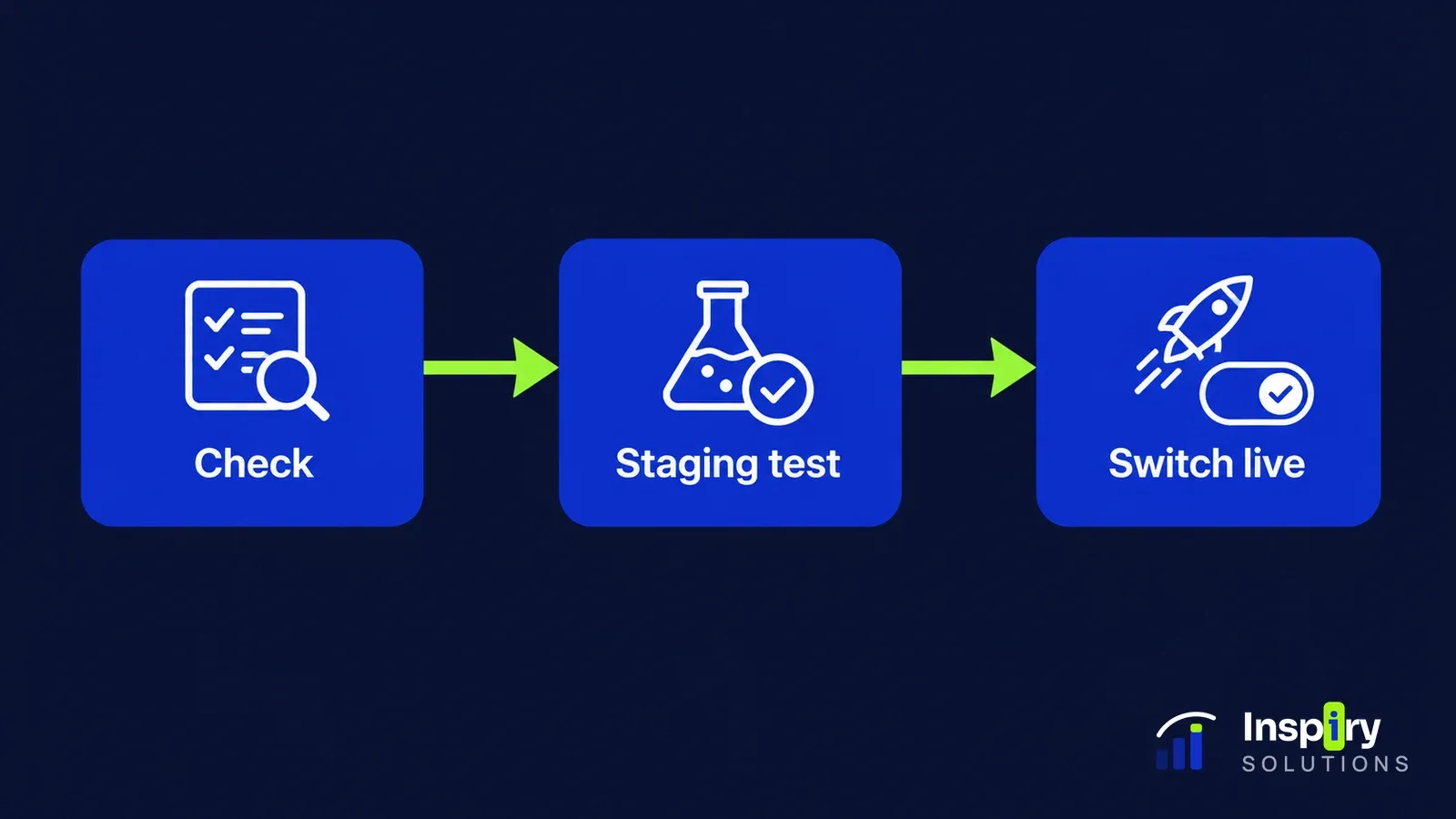
To update PHP version in WordPress safely, check your current version, test compatibility on staging, fix errors and then switch your live site.
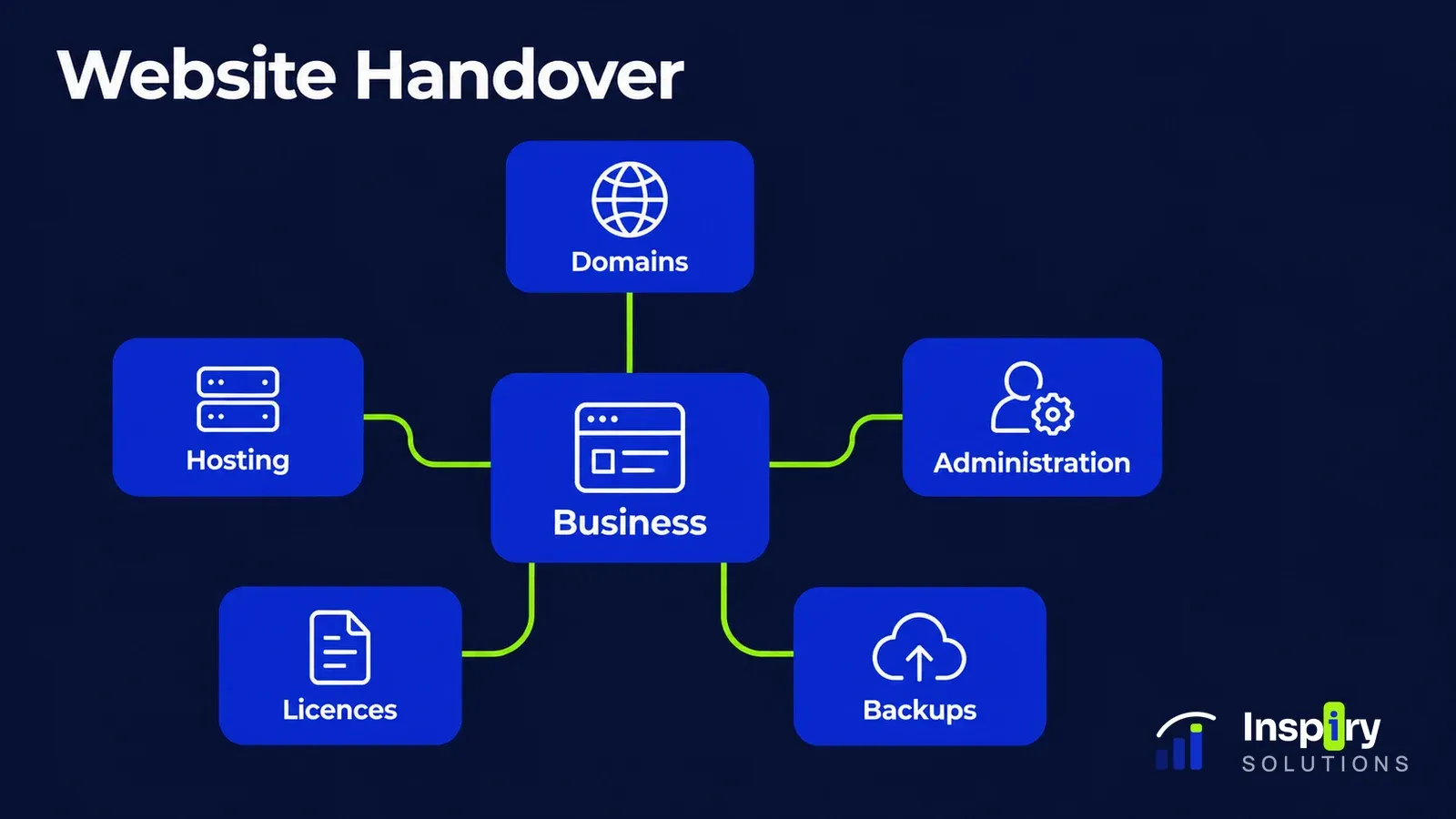
A website handover checklist confirms your business controls the accounts, access, licences, code and backups it needs to run its website after launch.
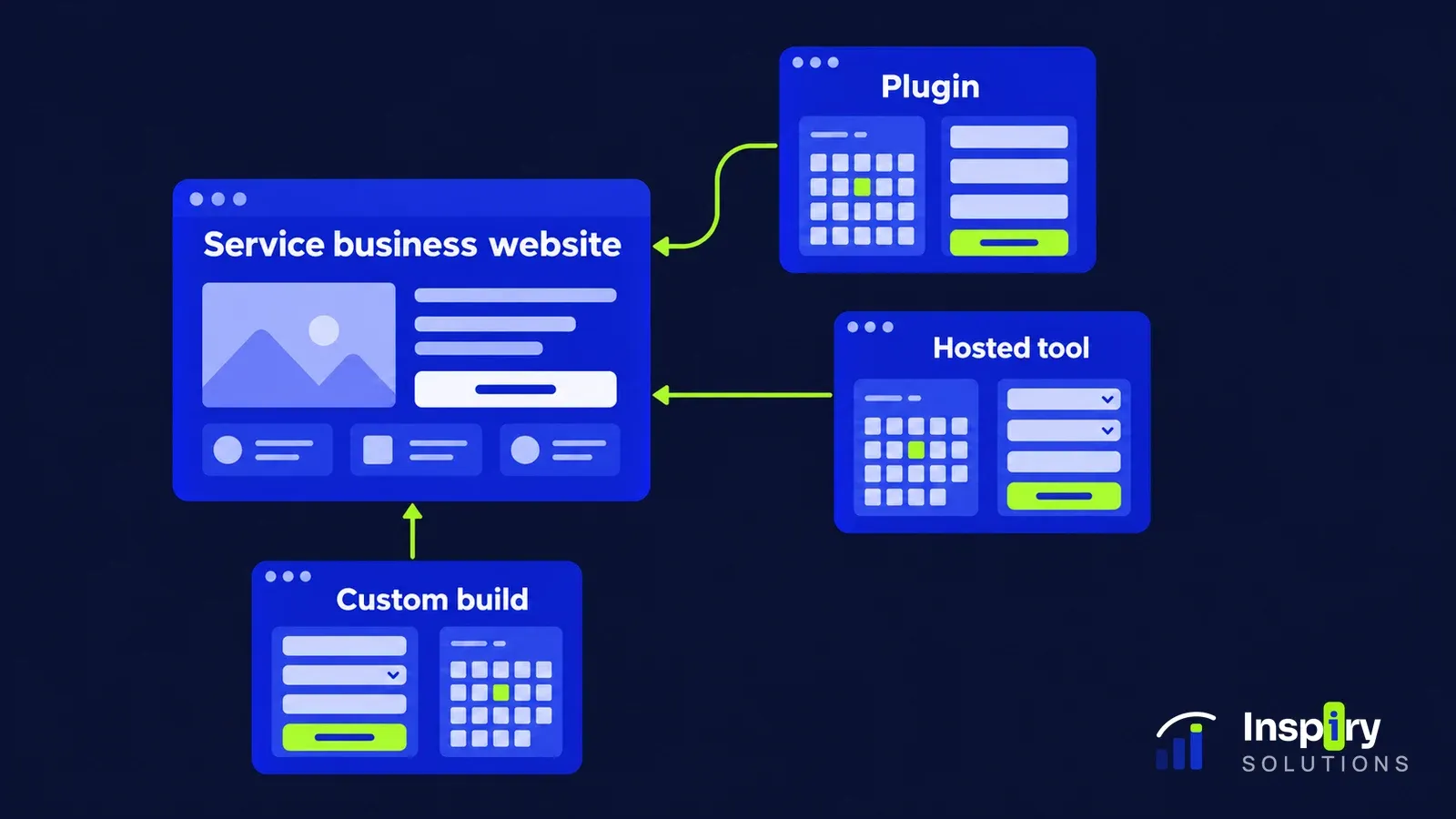
A WordPress booking system can use a plugin, a hosted tool or a custom build. The right choice depends on your staff, resources, payment rules and workflow.
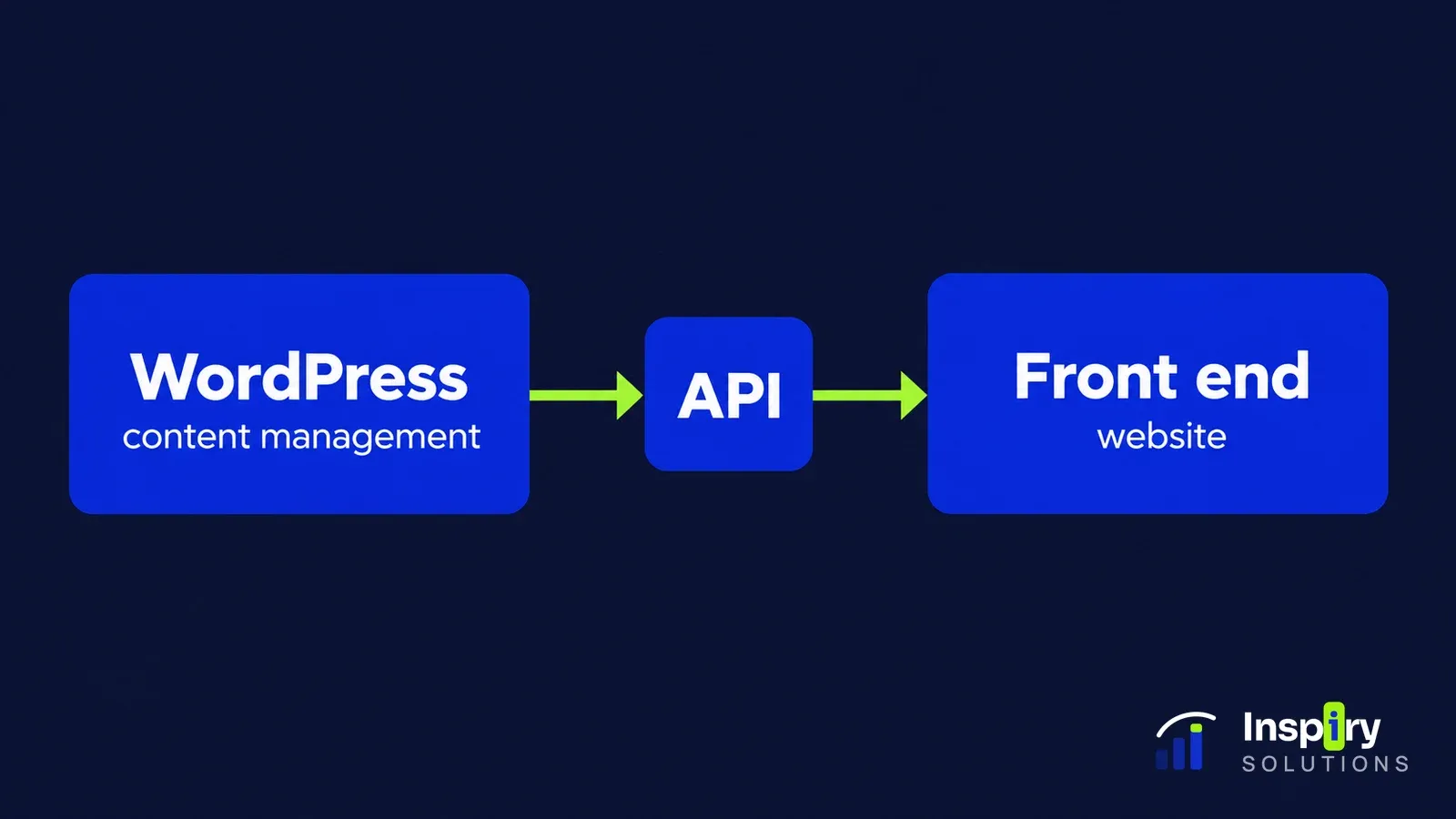
Headless WordPress makes sense when a business needs content across multiple platforms or has specific technical requirements that justify extra maintenance.
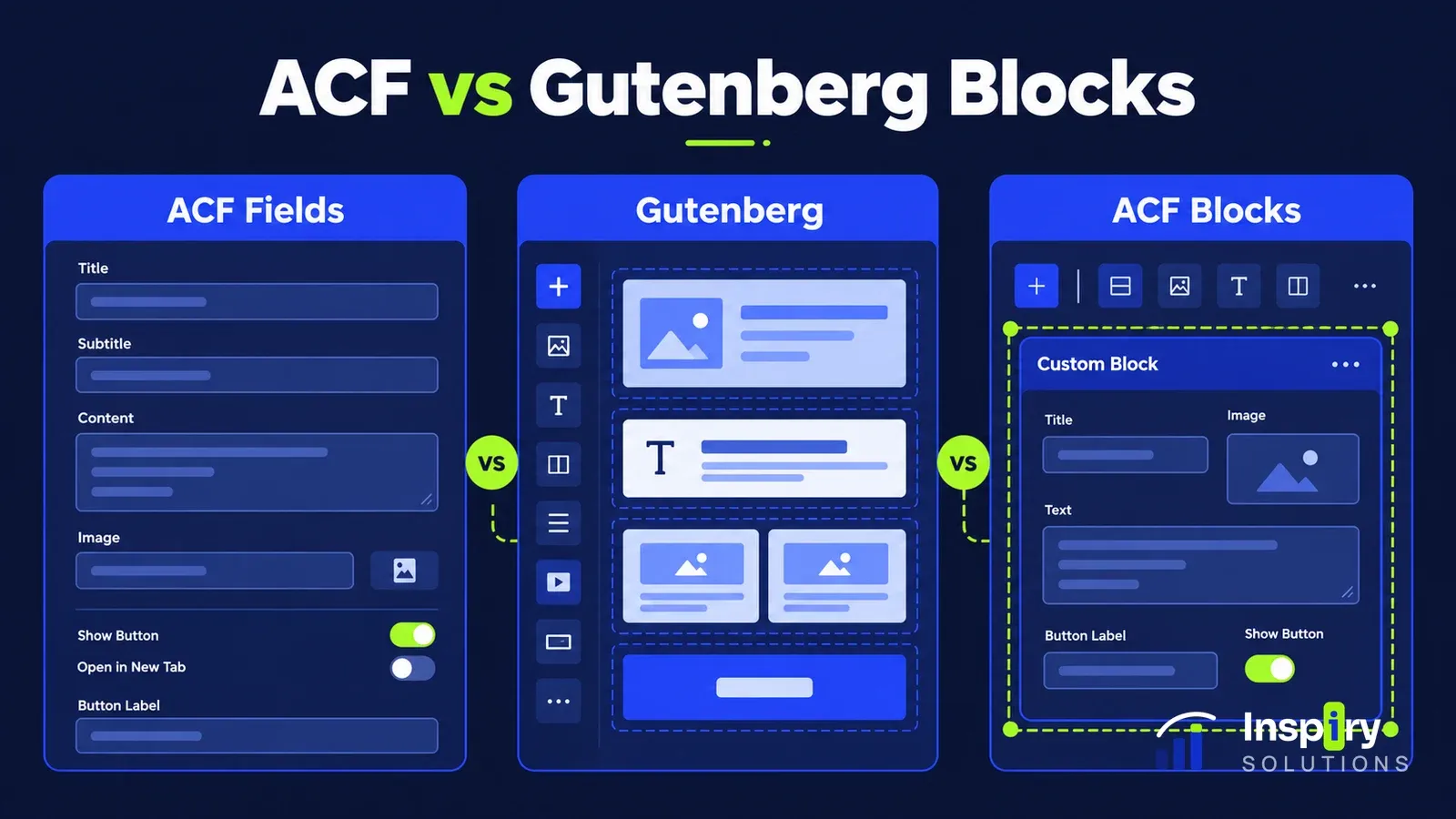
ACF vs Gutenberg blocks is a choice between structured fields, flexible page layouts and a combination of both. The right setup depends on how your team works.
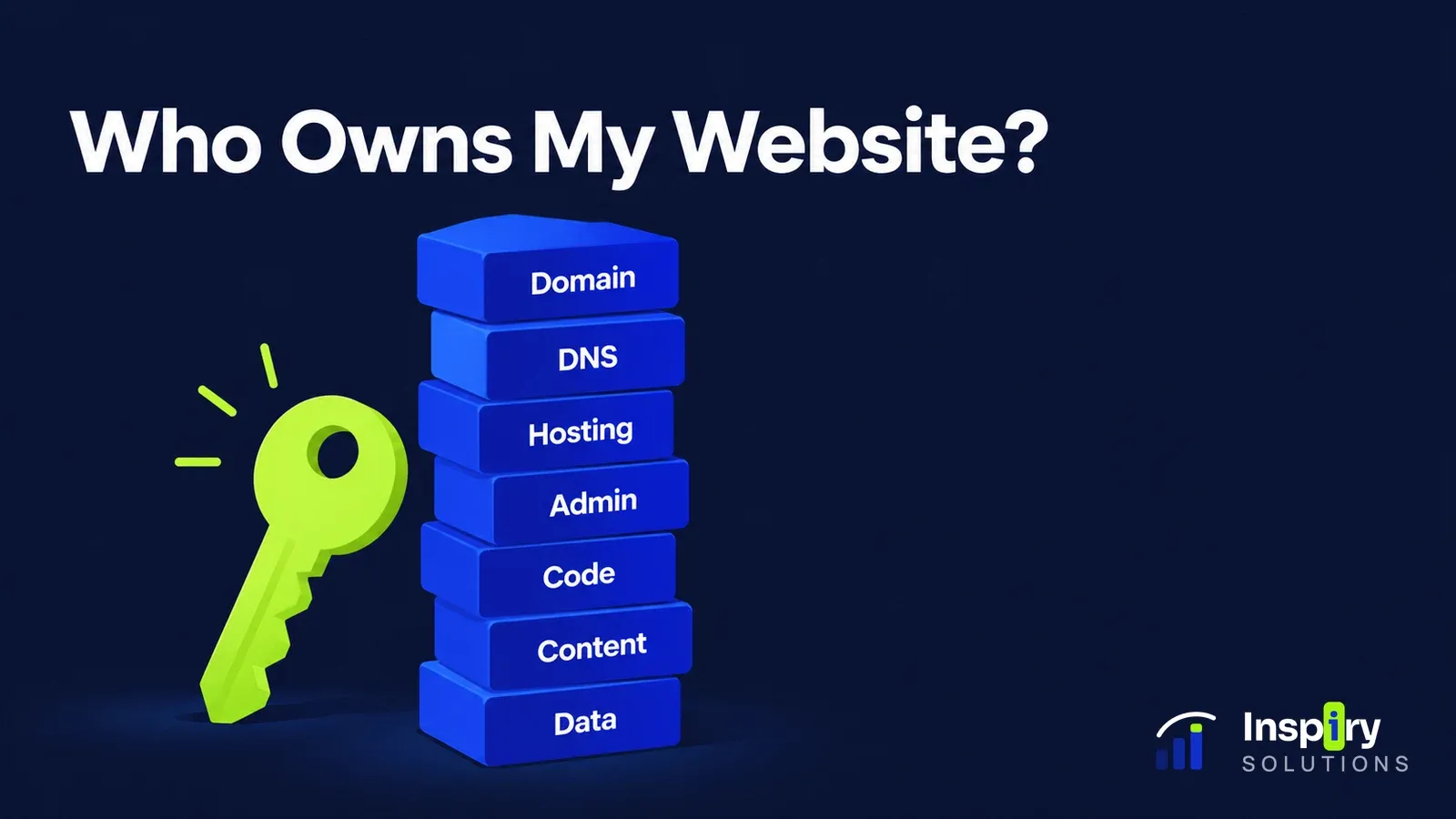
Who owns my website? The answer depends on who controls your domain, hosting, WordPress access, code, content and data accounts.
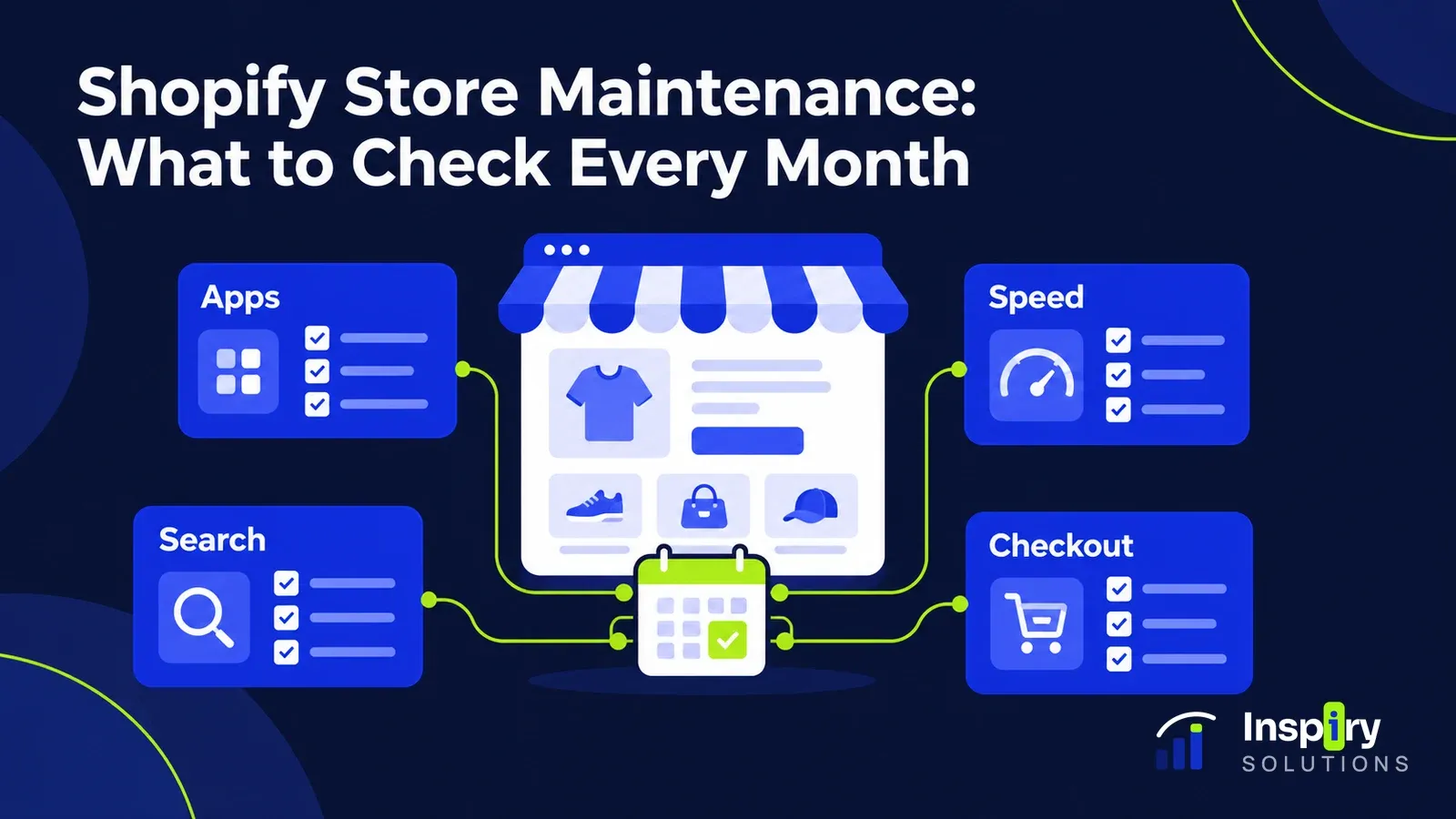
Shopify store maintenance means checking what Shopify does not manage for you: apps, theme changes, speed, search visibility, checkout and content.
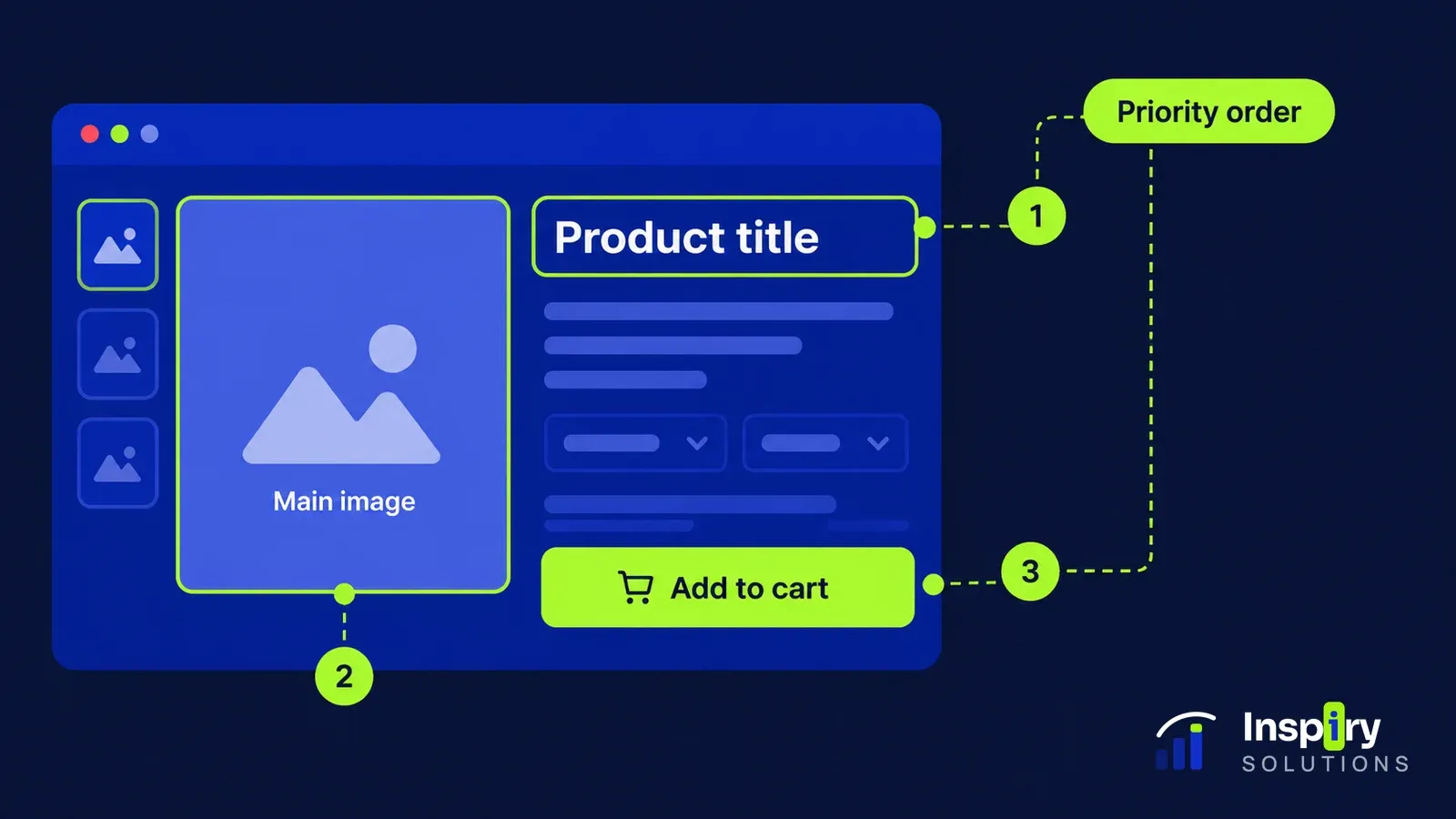
Shopify product page SEO should start with choosing which products deserve attention, not rewriting every listing in your catalogue.
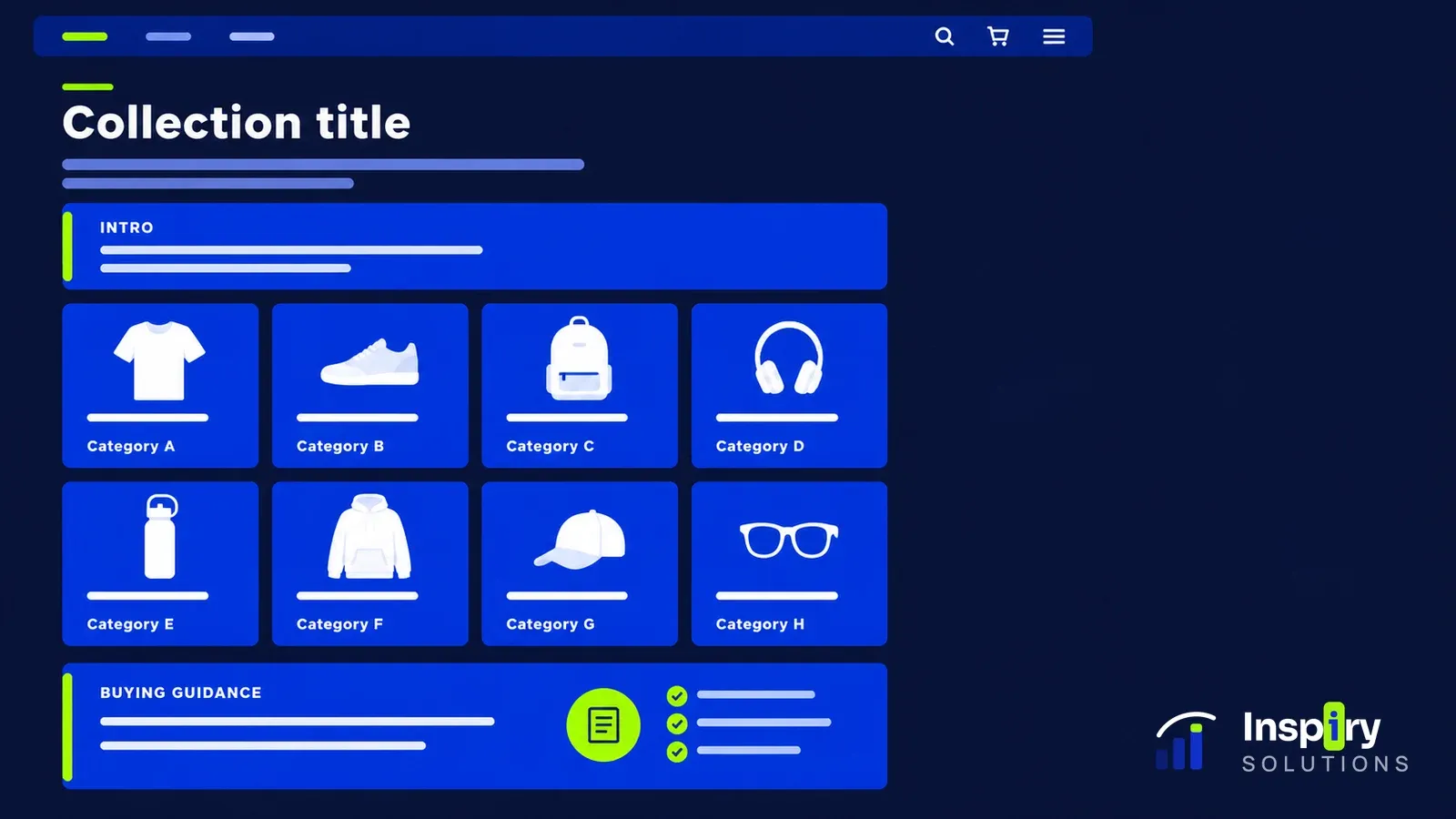
Shopify collection page SEO turns product categories into useful search landing pages by matching each collection to a clear search intent.
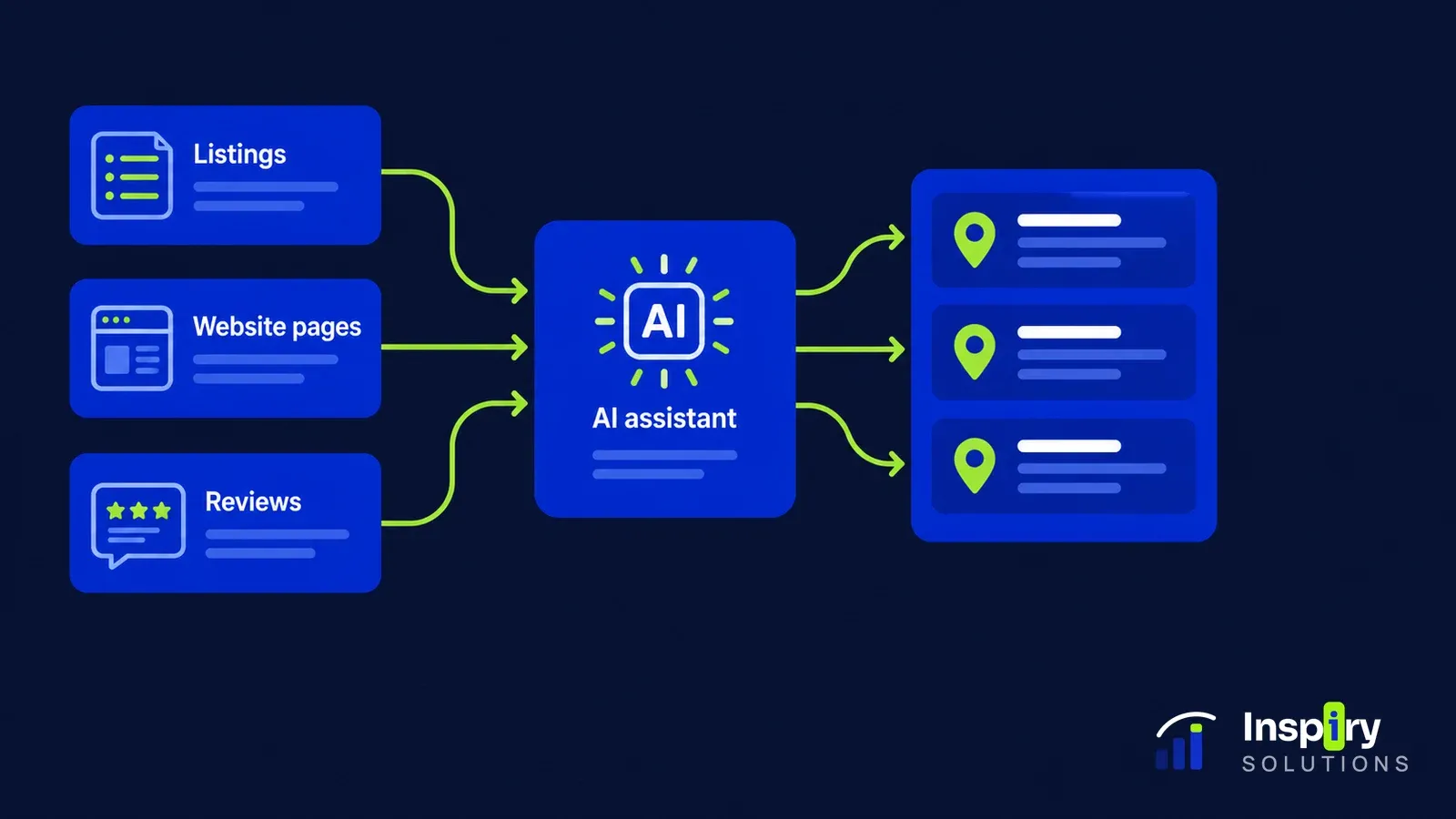
AI search for local business can surface nearby services using information from business listings, websites and third-party sources.
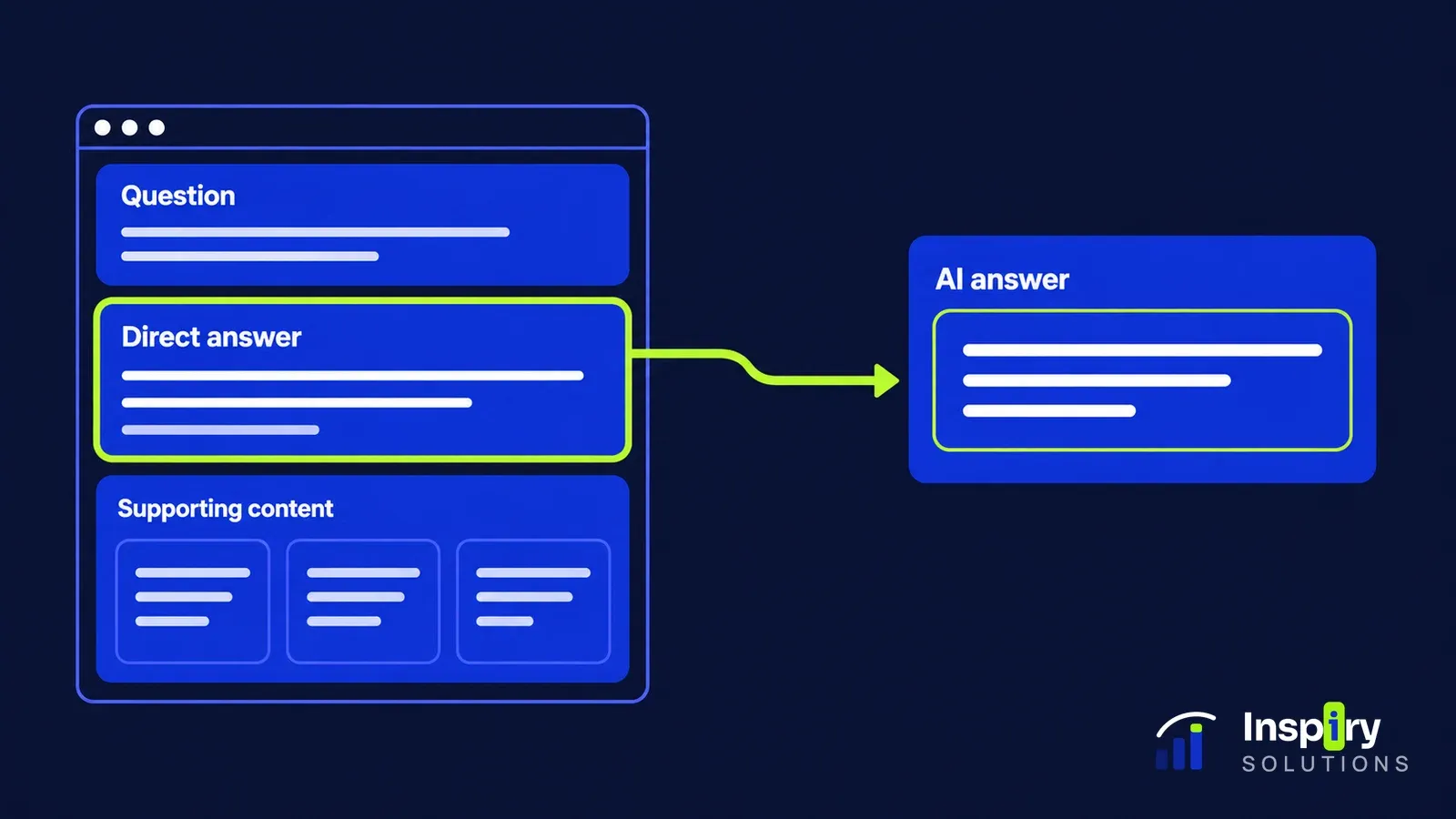
Answer engine optimization means putting the direct answer first in each section, then adding conditions and evidence so AI systems quote you accurately.
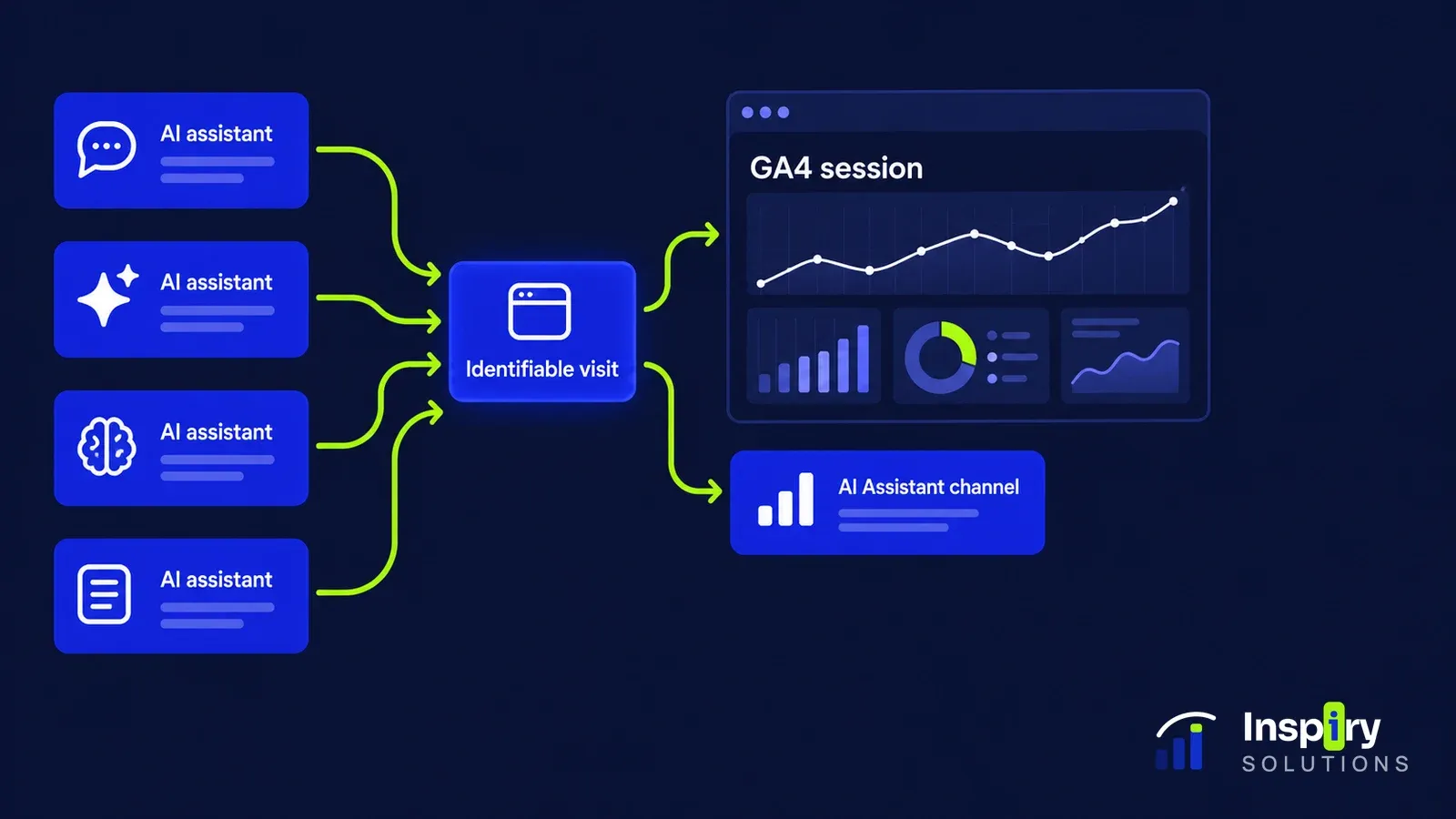
You can track ChatGPT traffic in GA4 by identifying sessions referred from AI assistant domains, then measuring their landing pages and enquiries.
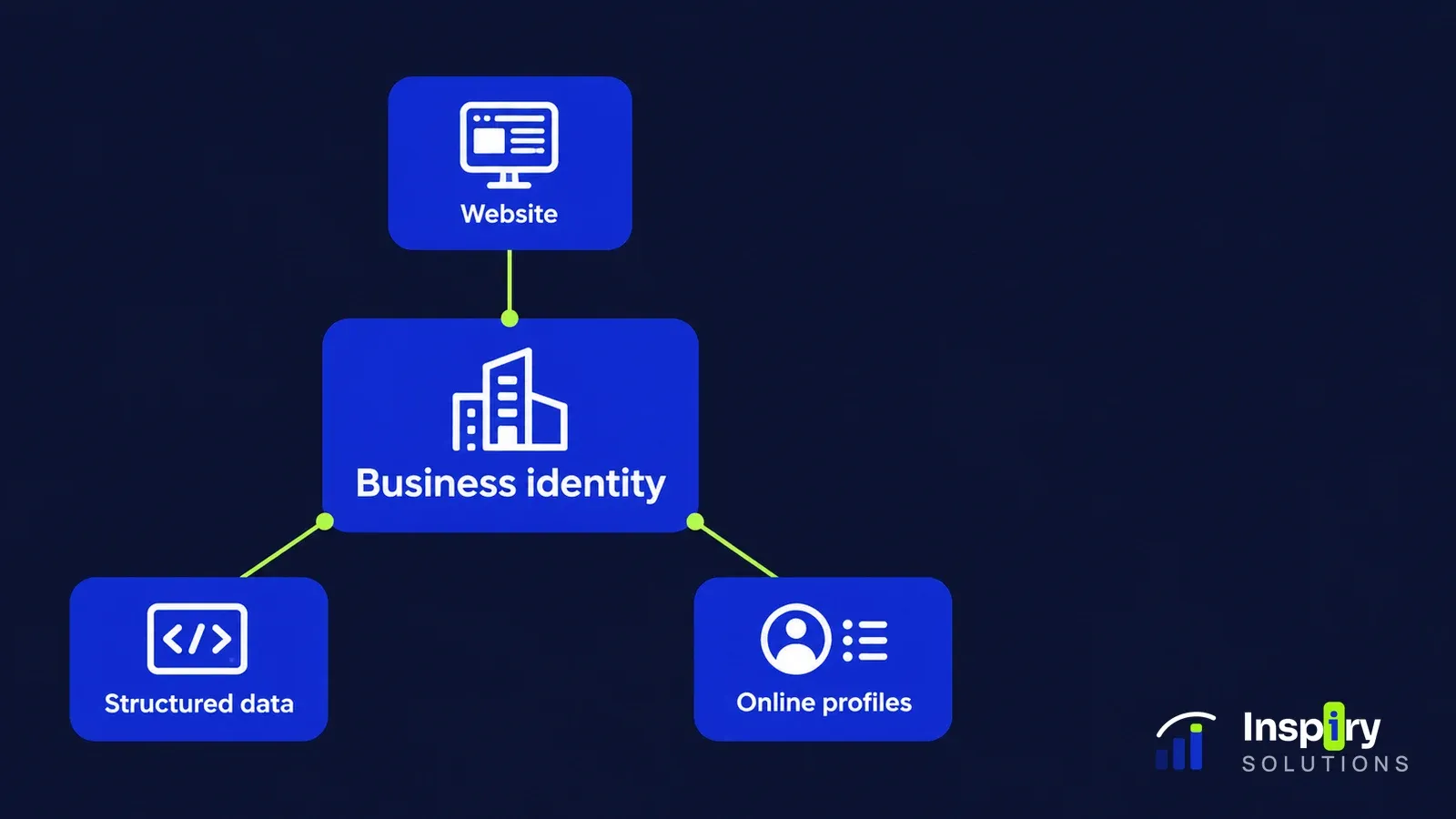
Entity SEO helps search engines and AI tools recognise your business as one distinct organisation by making its name, location, services and identity consistent.
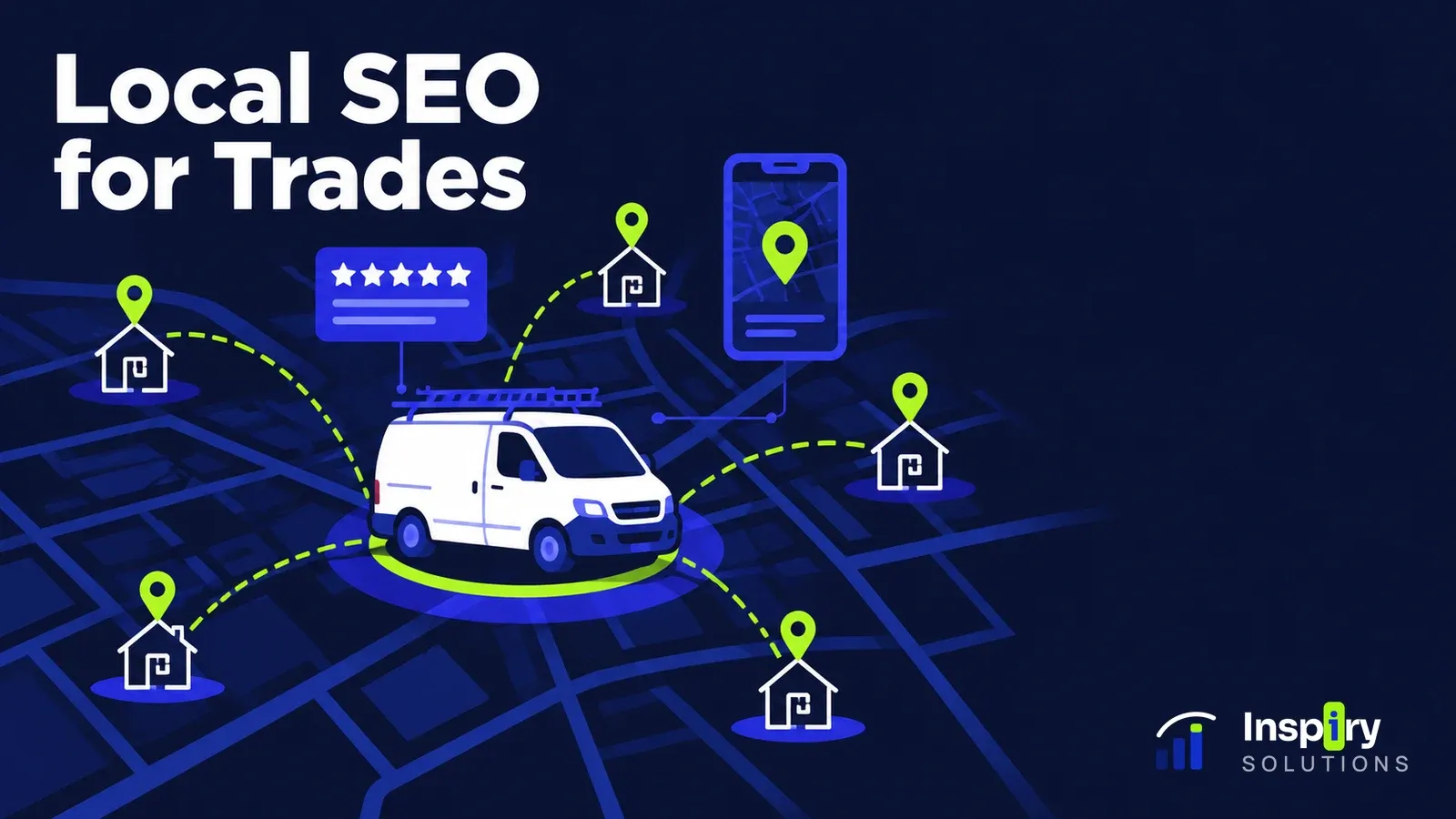
Local SEO for tradesmen starts with an accurate Google Business Profile, useful job pages, visible phone numbers and proof from completed work.
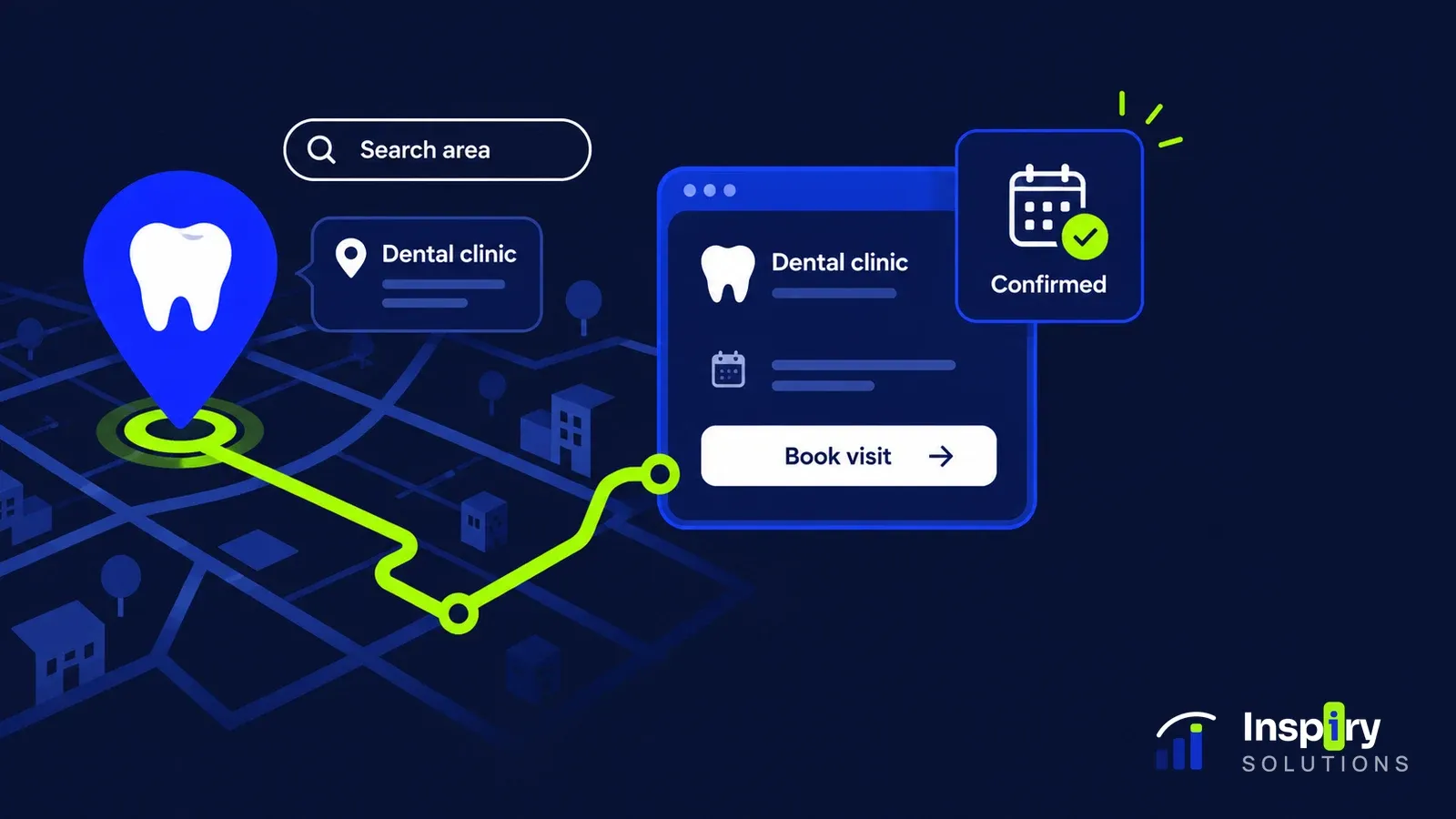
Dental SEO helps practices attract new patients by making treatment information, fees, availability and booking options easy to find in local search.
If you see a Google Business Profile suspended notice, check the likely policy issue, correct inaccurate details and gather evidence before appealing.
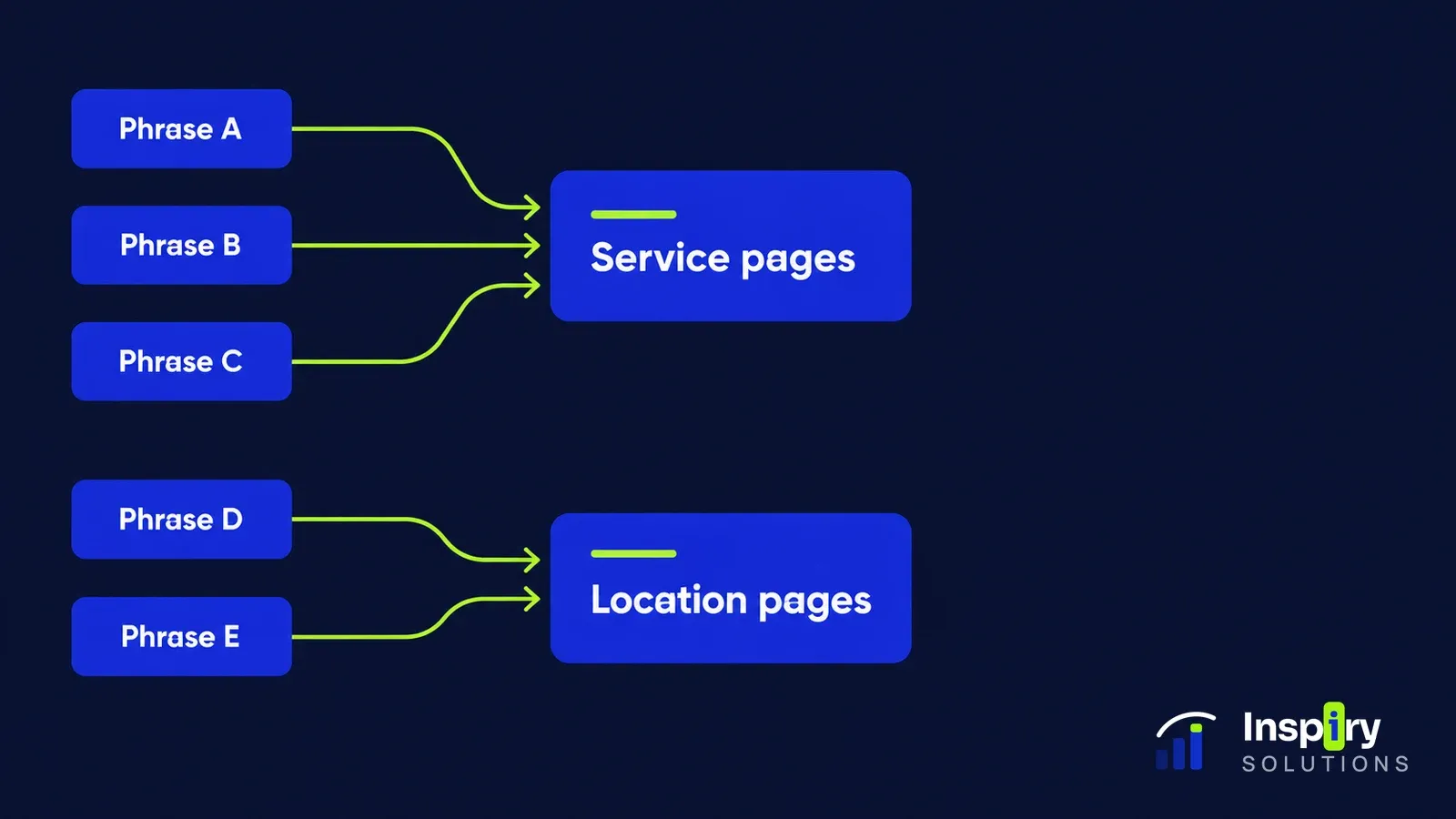
Local keyword research starts with the words your customers use when they need help, not with a list exported from a keyword tool.
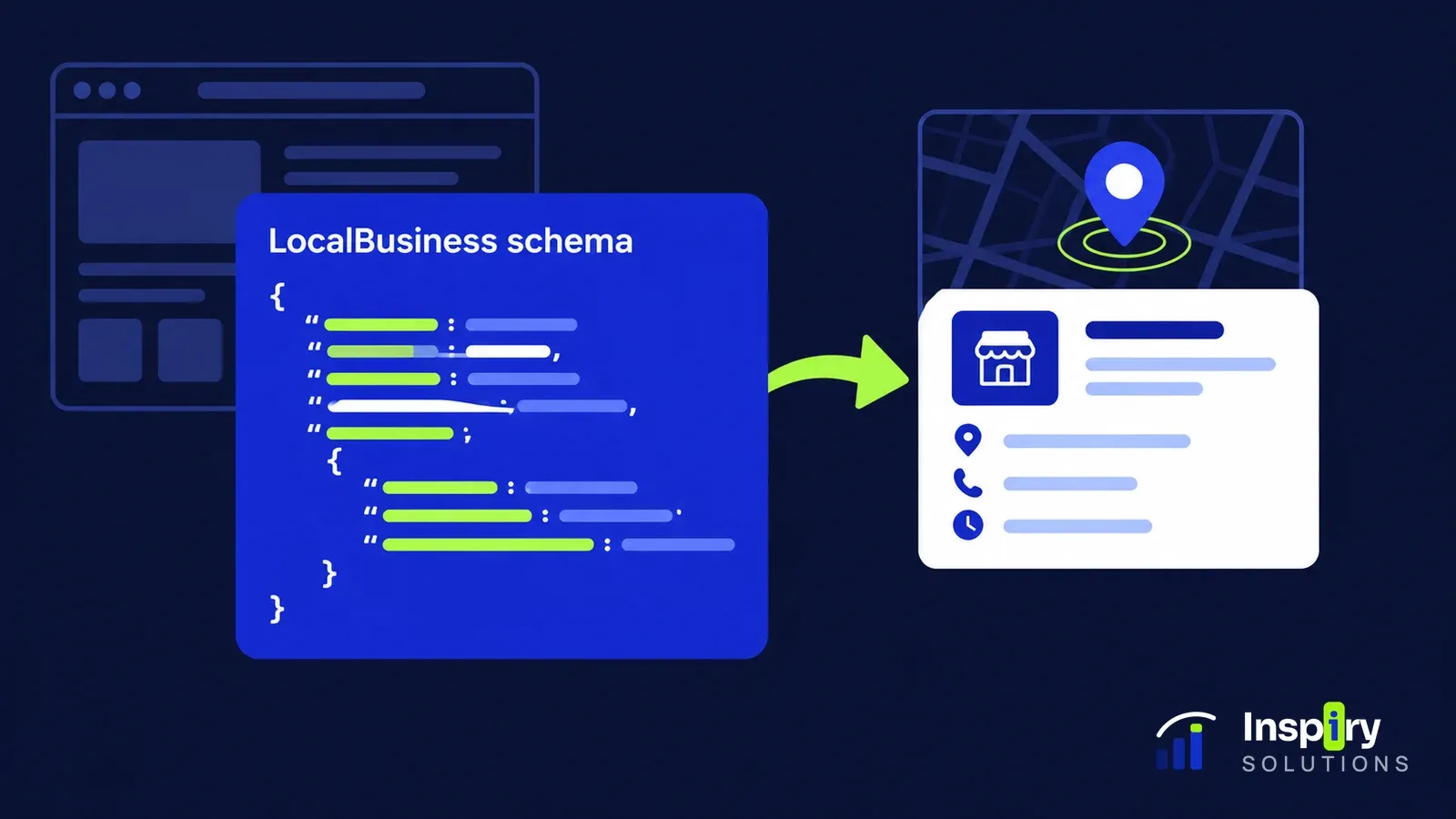
LocalBusiness schema marks up a business location using structured data that matches the details customers can see on your website and Google Business Profile.
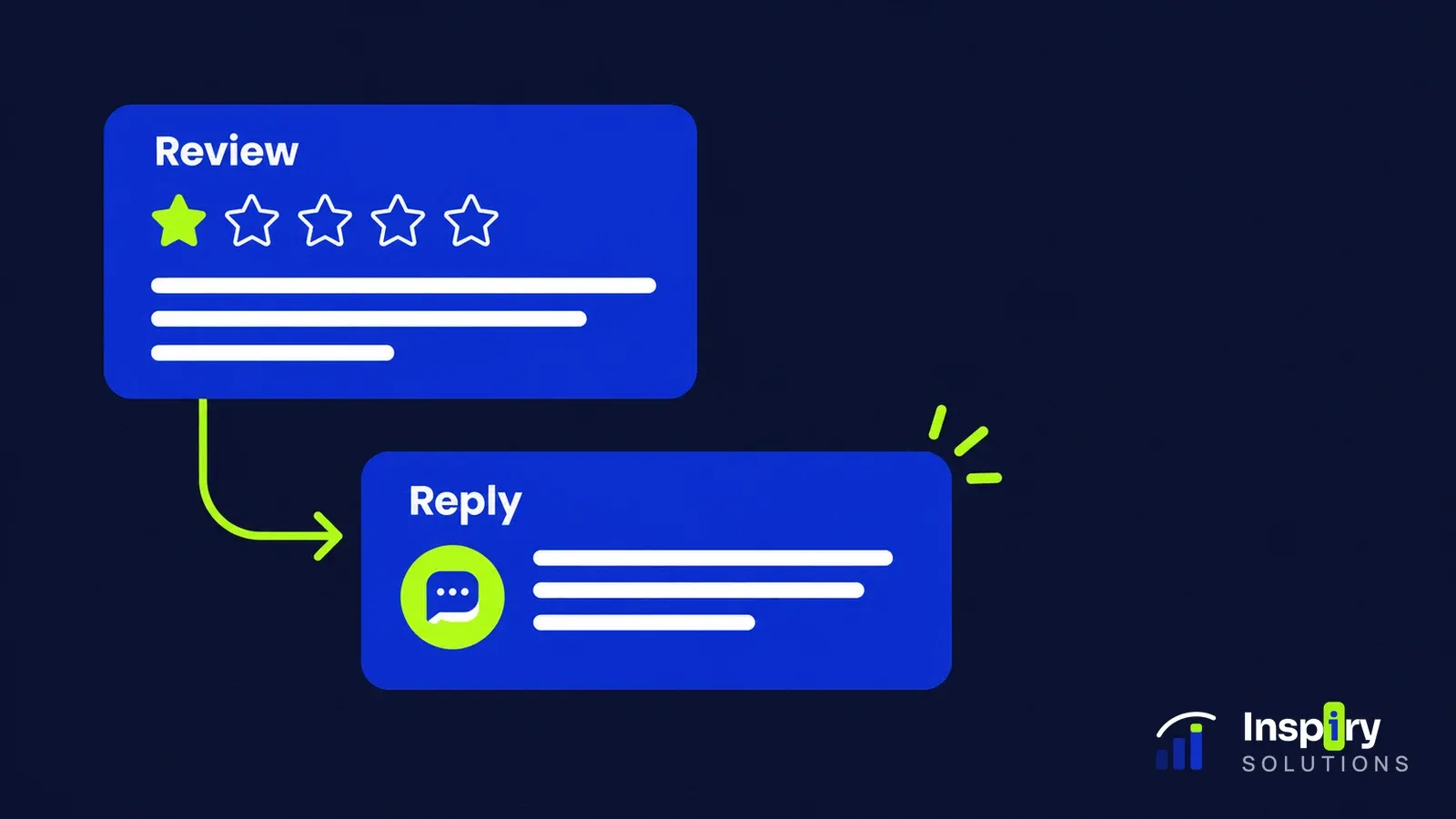
To respond to negative Google reviews, acknowledge the complaint, take responsibility where fair, explain what you will do and offer a direct way to resolve it.
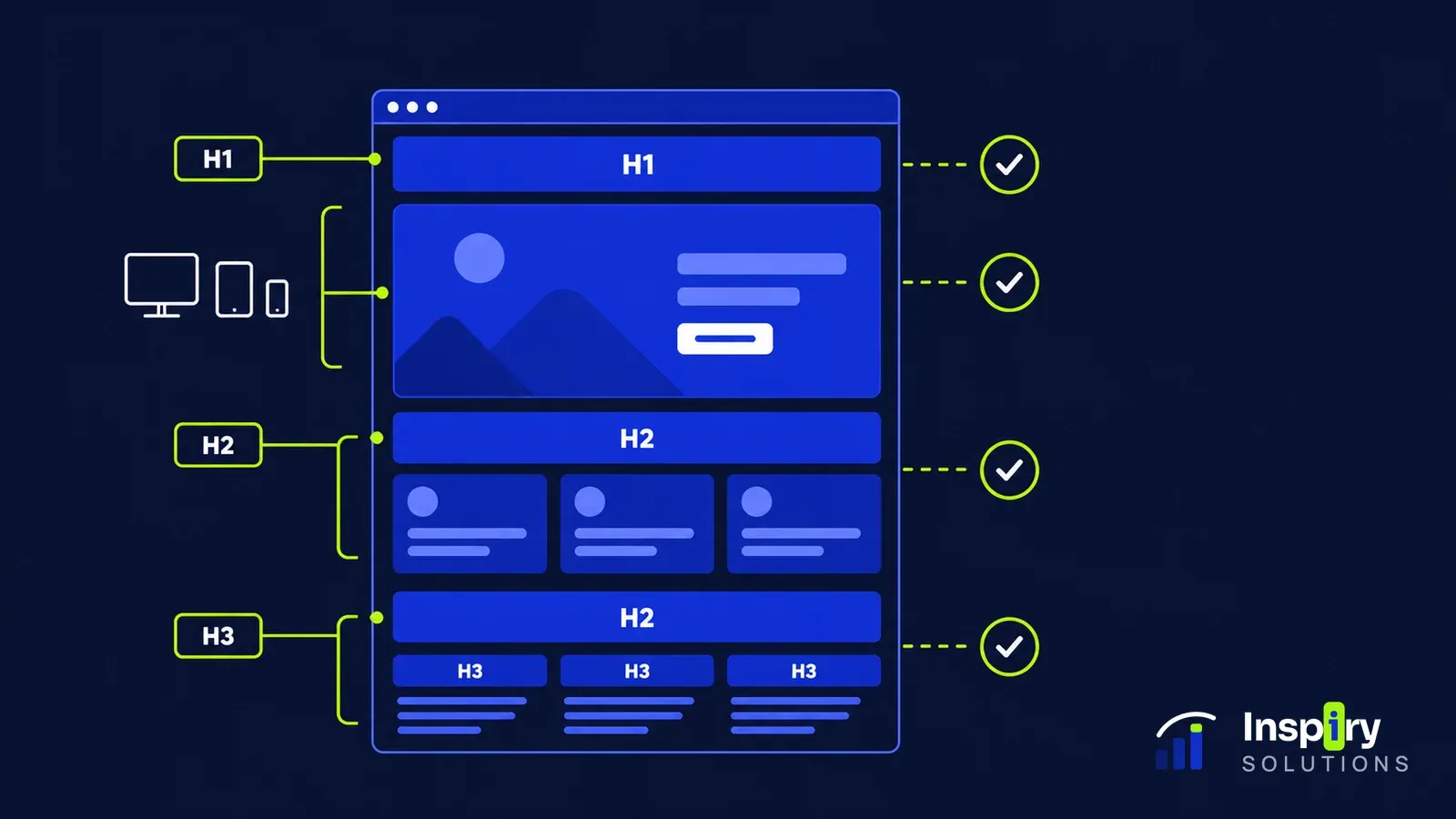
Elementor SEO problems usually come from incorrect heading levels, duplicated responsive content and poorly configured templates, not the page builder itself.
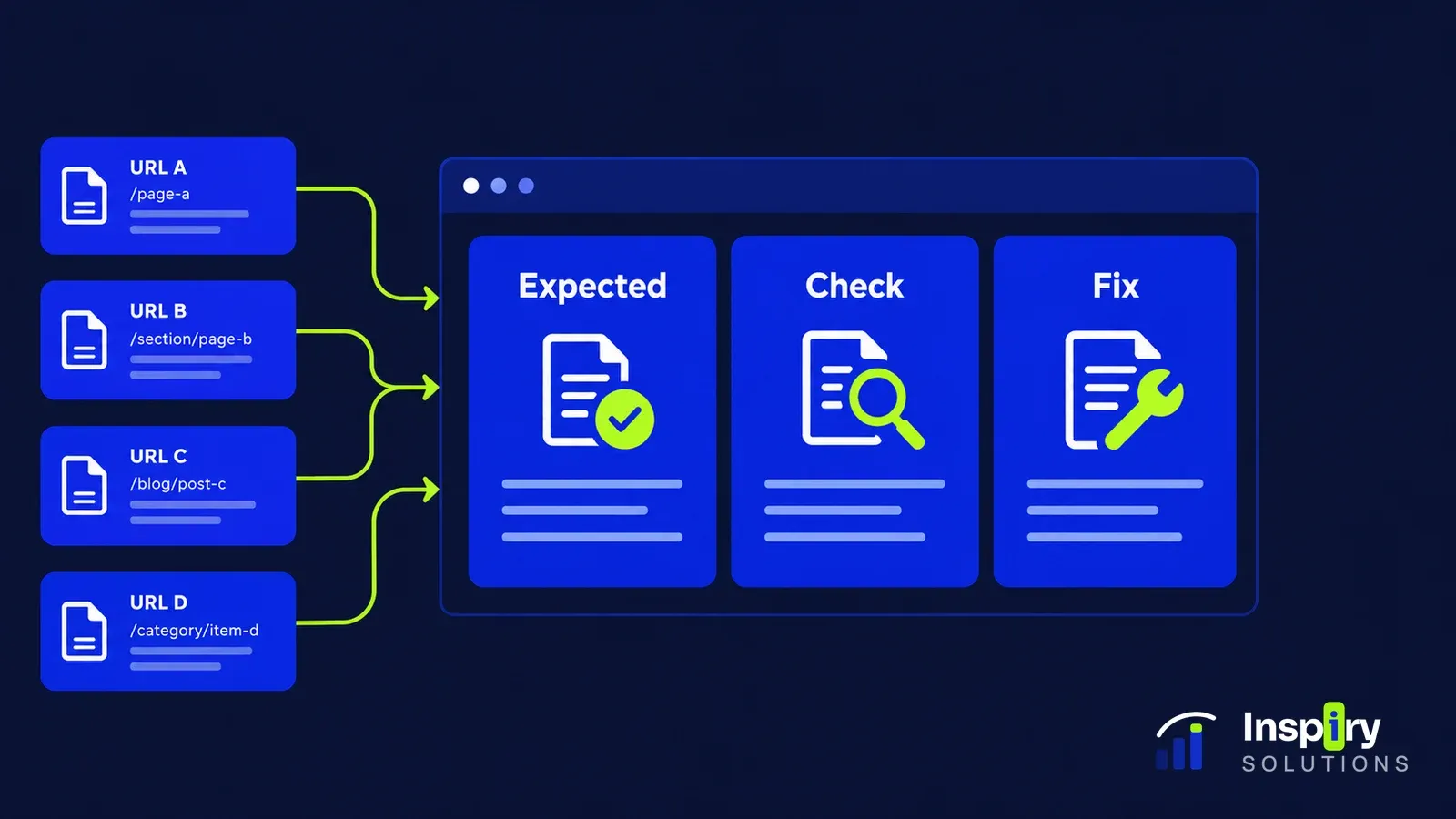
The page indexing report in Google Search Console shows which URLs Google has indexed, which it has not, and why.
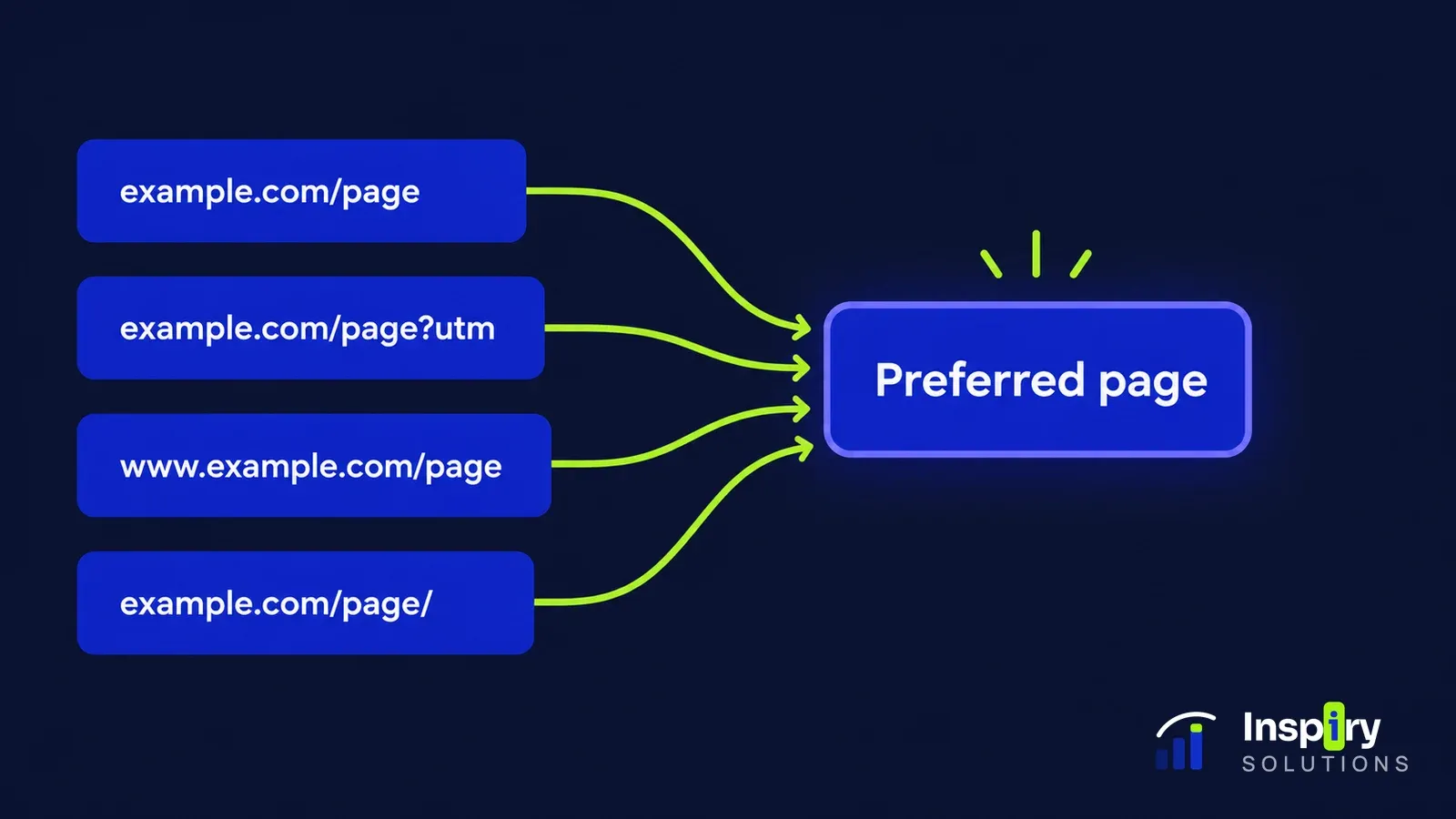
Duplicate content SEO problems usually come from multiple URLs showing the same page or separate pages offering almost identical information.
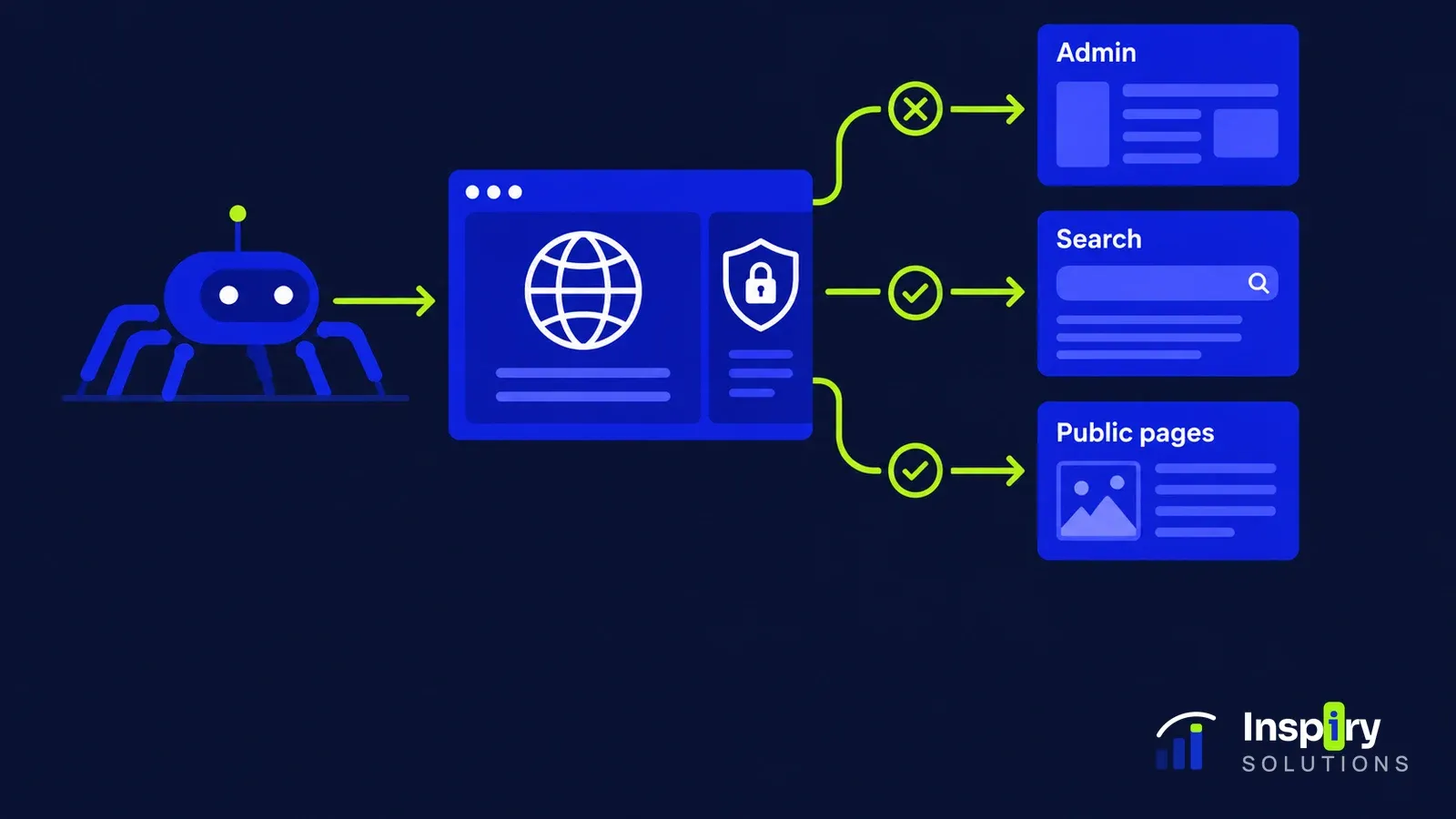
Robots.txt for WordPress controls which URLs search engines can crawl, but it does not reliably keep pages out of Google, so use noindex for that job.
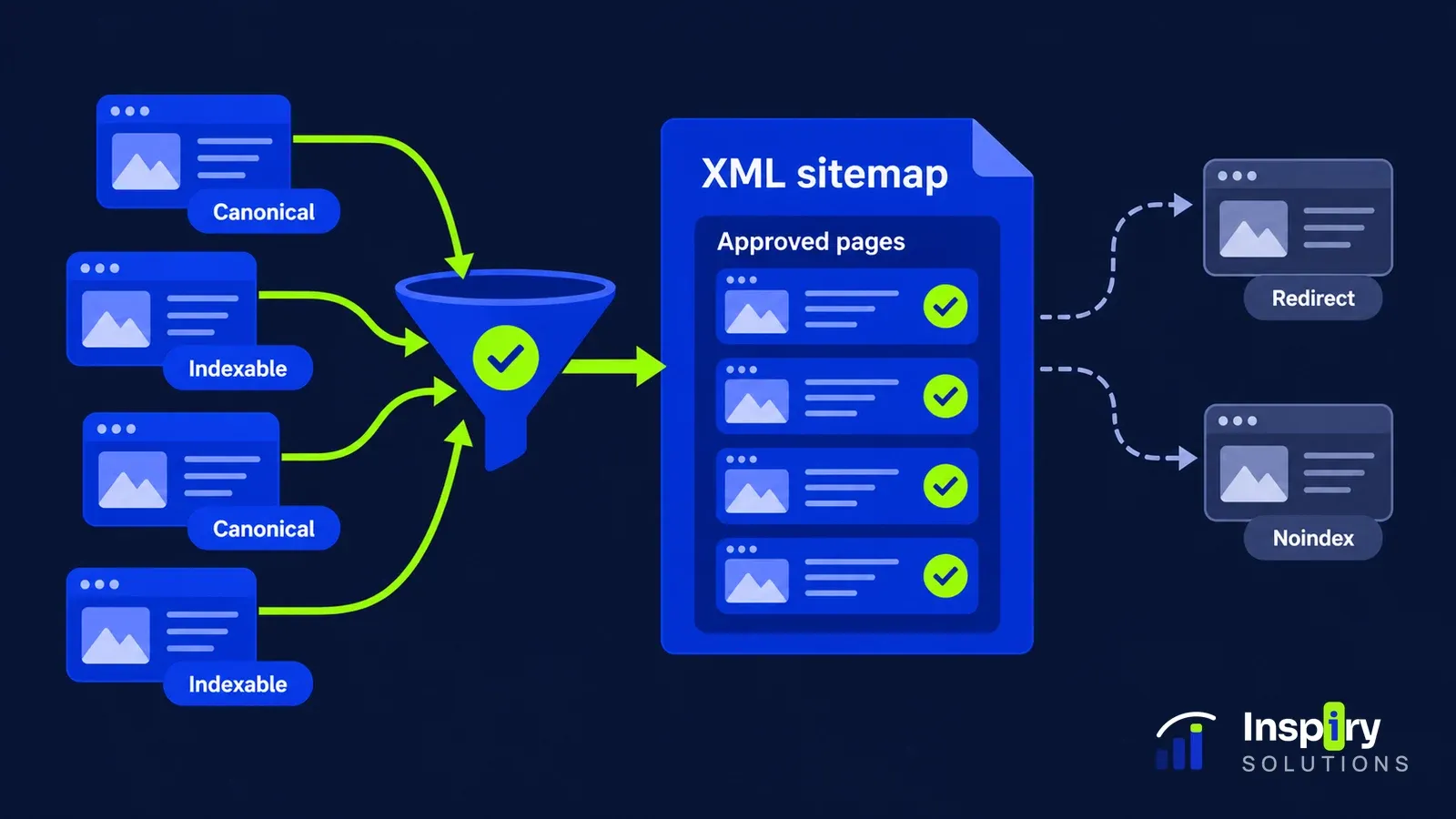
XML sitemap best practices start with a simple rule: list only the canonical, indexable pages you want Google to find, and make sure each returns a 200 status.
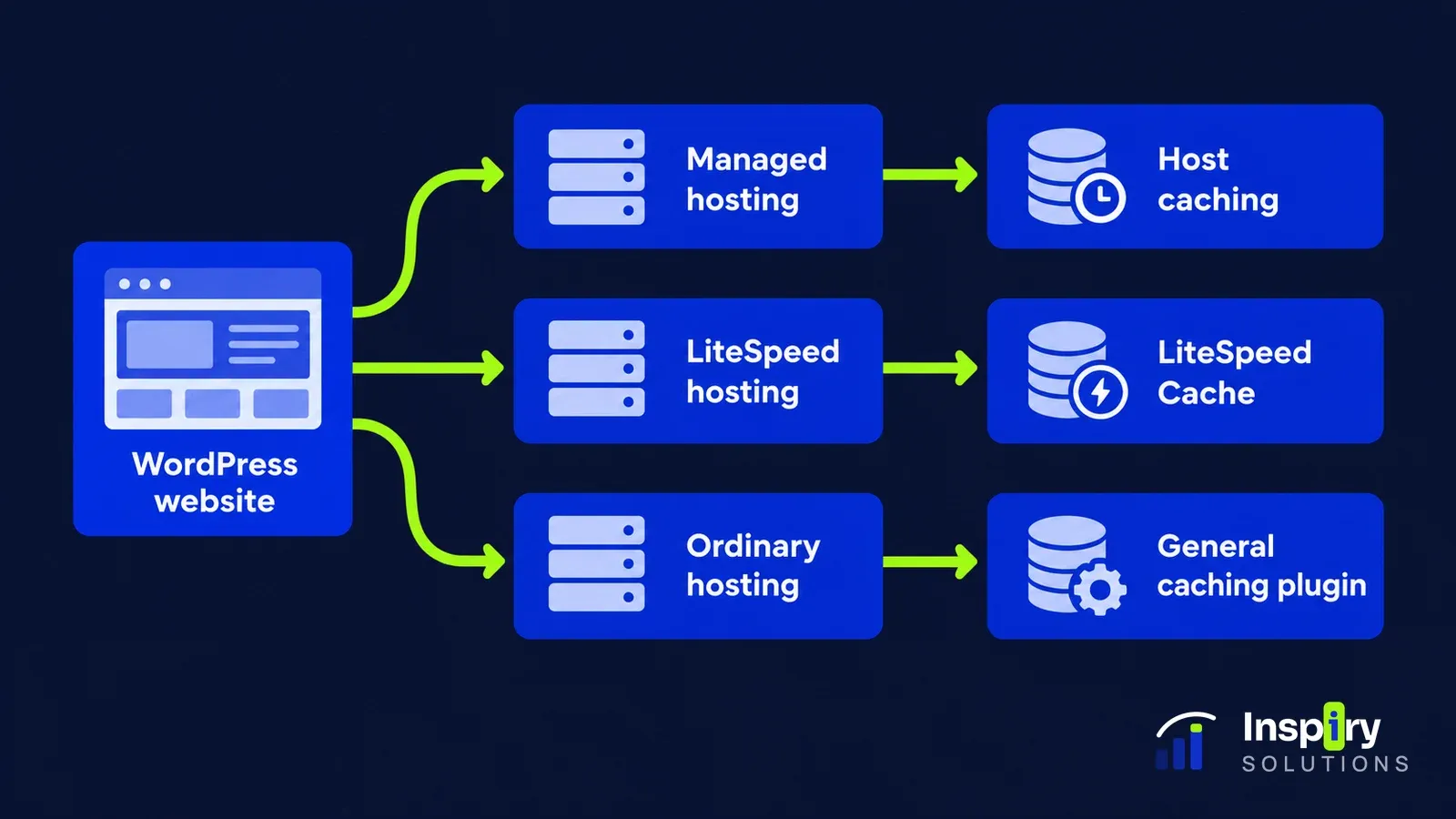
The best WordPress caching plugin depends on your hosting setup, existing server cache and the type of website you operate.
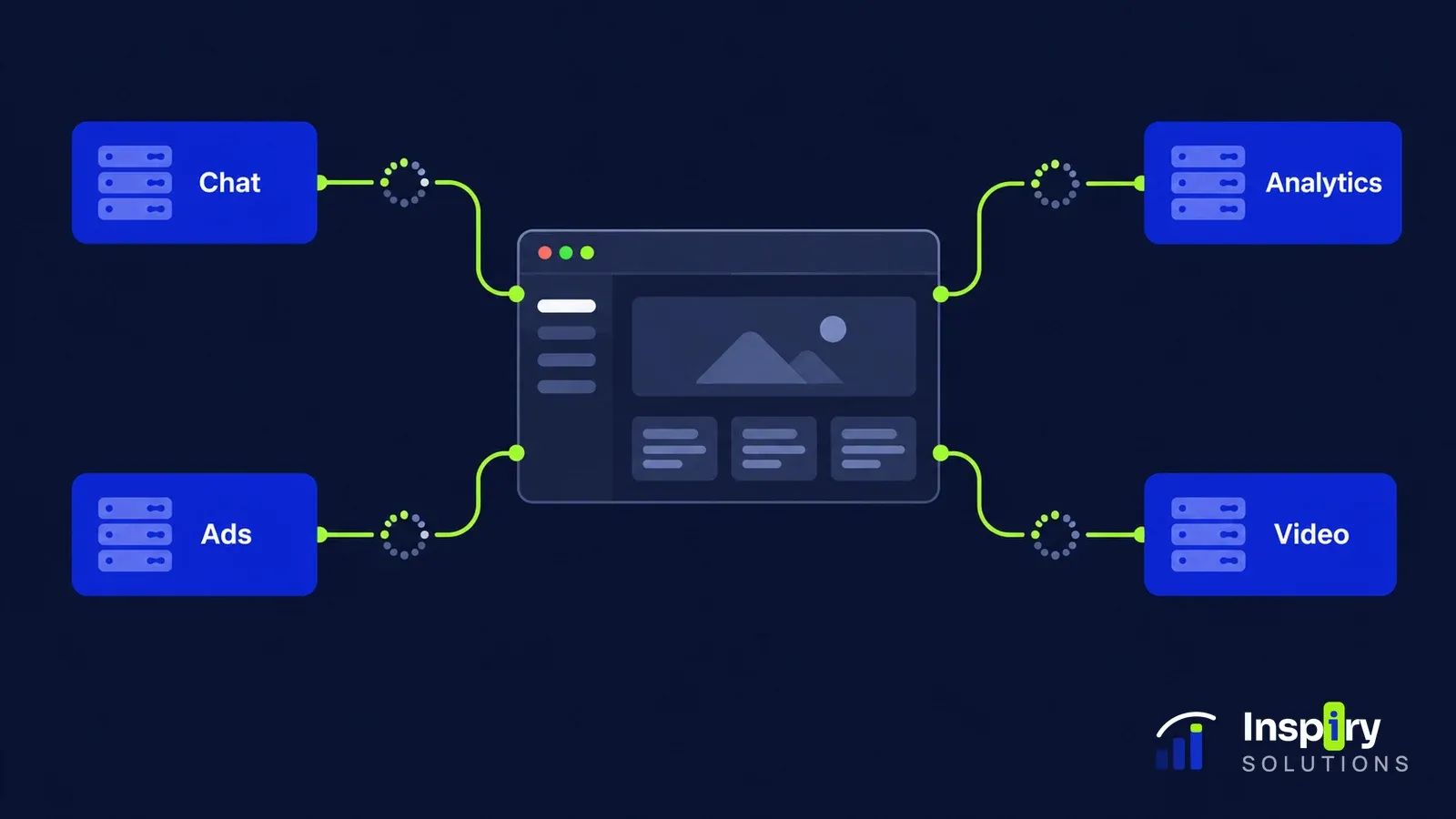
Third-party scripts can slow a website through extra connections, JavaScript work and layout changes. The solution is to measure each tool before deciding what stays.
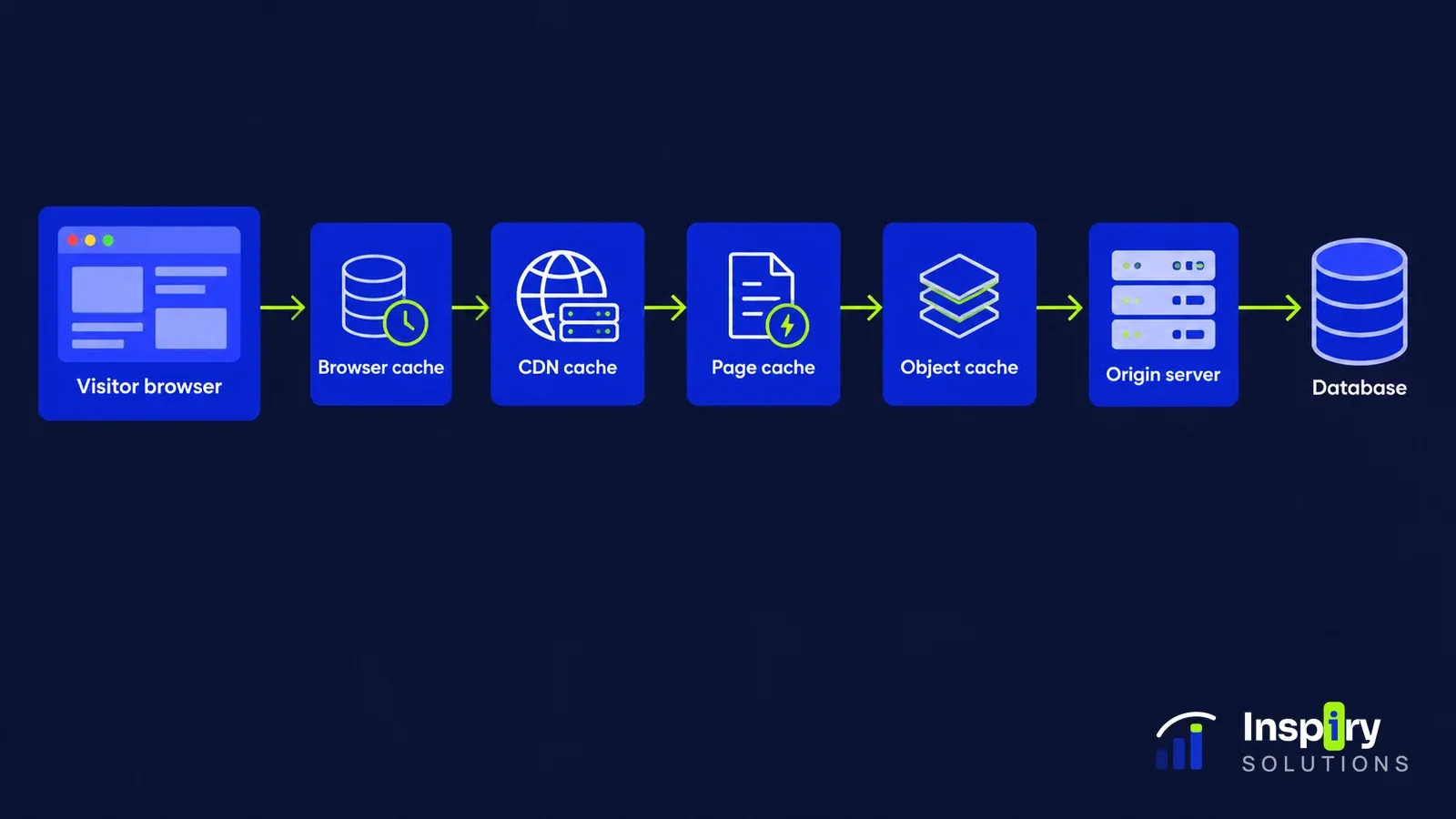
WordPress caching explained in plain English: four layers reuse website content, reduce server work and need different rules to prevent stale pages and errors.
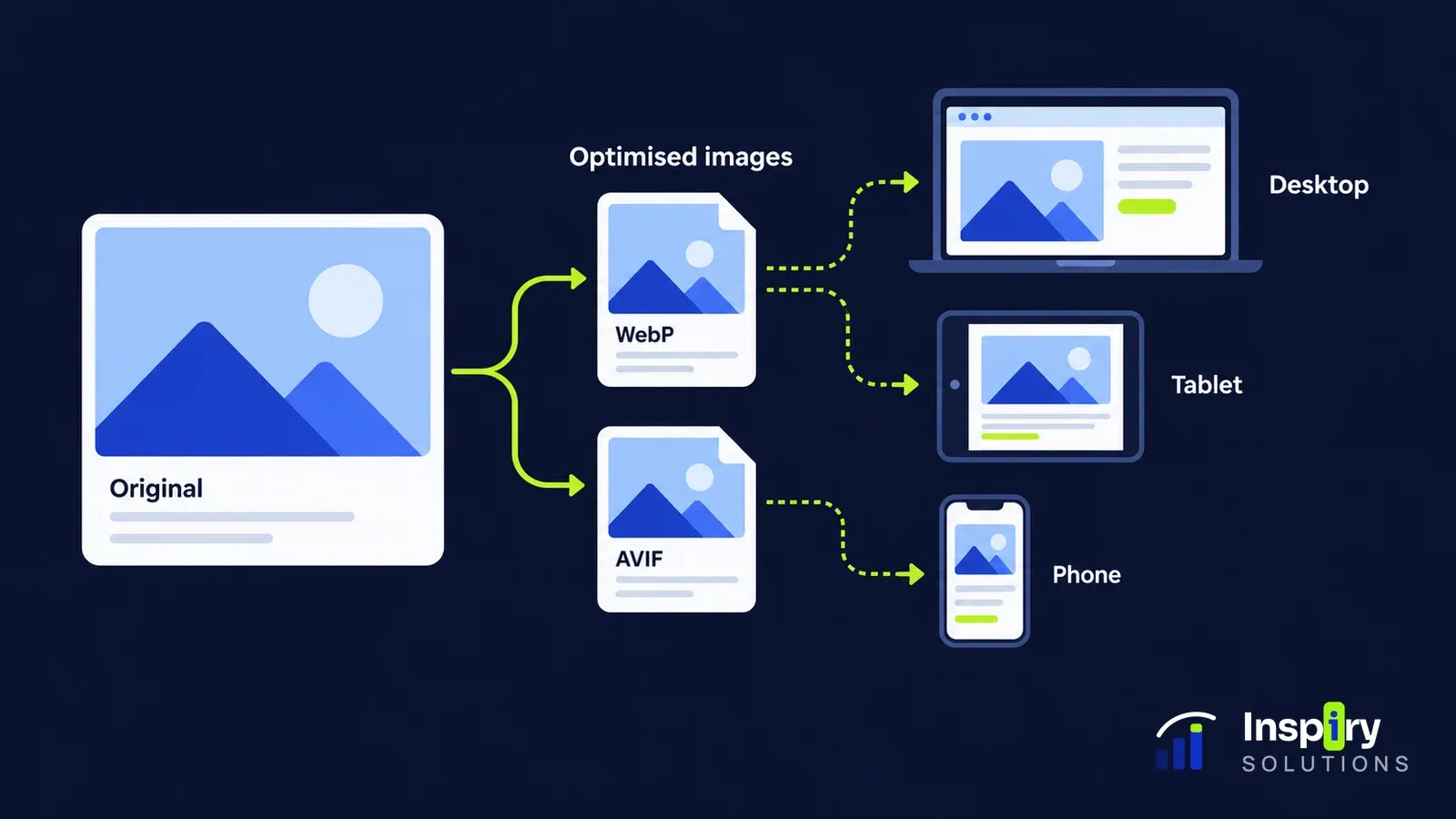
Image optimization for websites means choosing efficient formats, serving the right dimensions and loading images at the right time, so pages stay fast without losing quality.
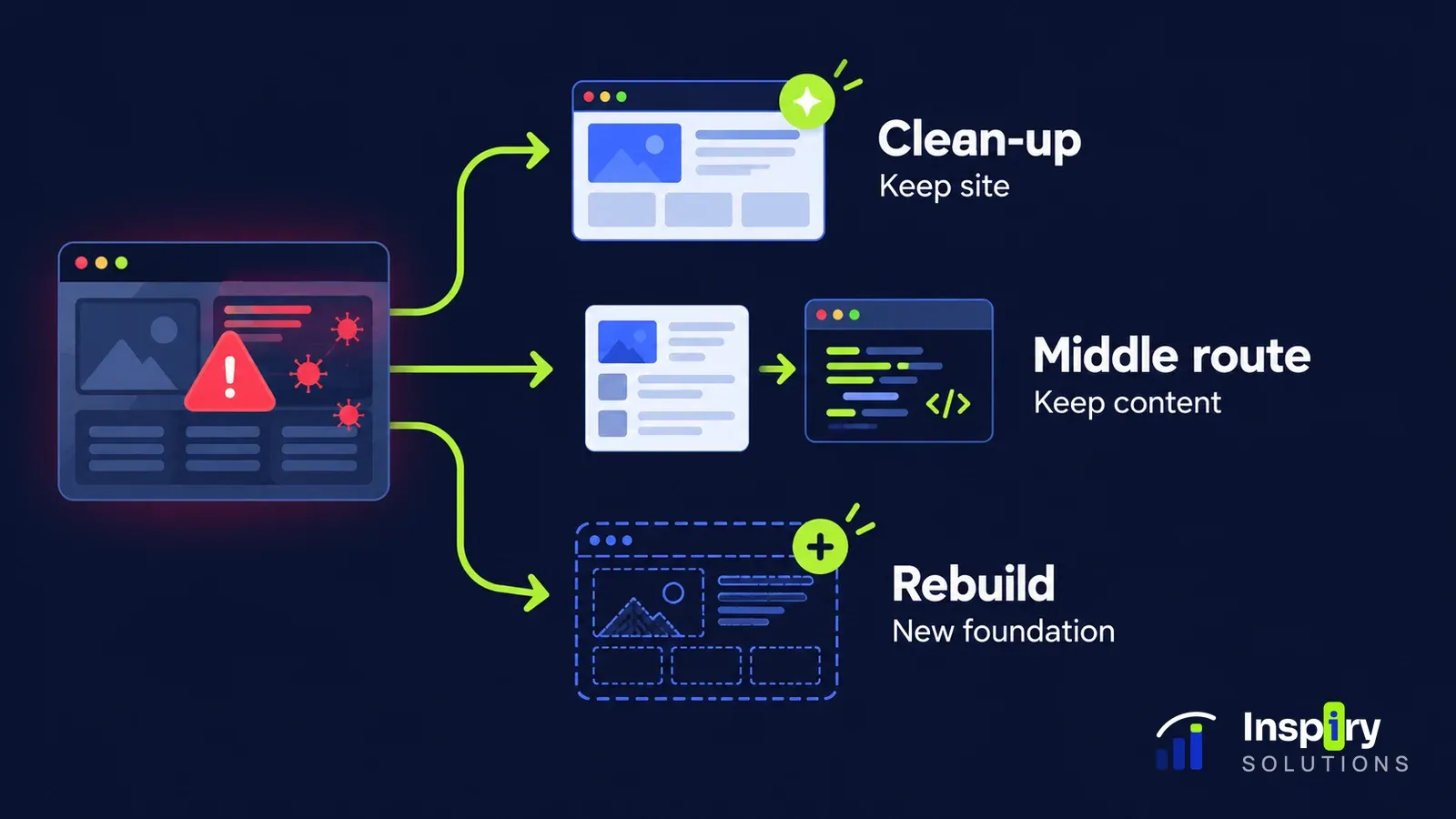
WordPress malware removal makes sense when the infection is contained and its cause can be fixed. Rebuilding is safer when the site cannot be trusted.
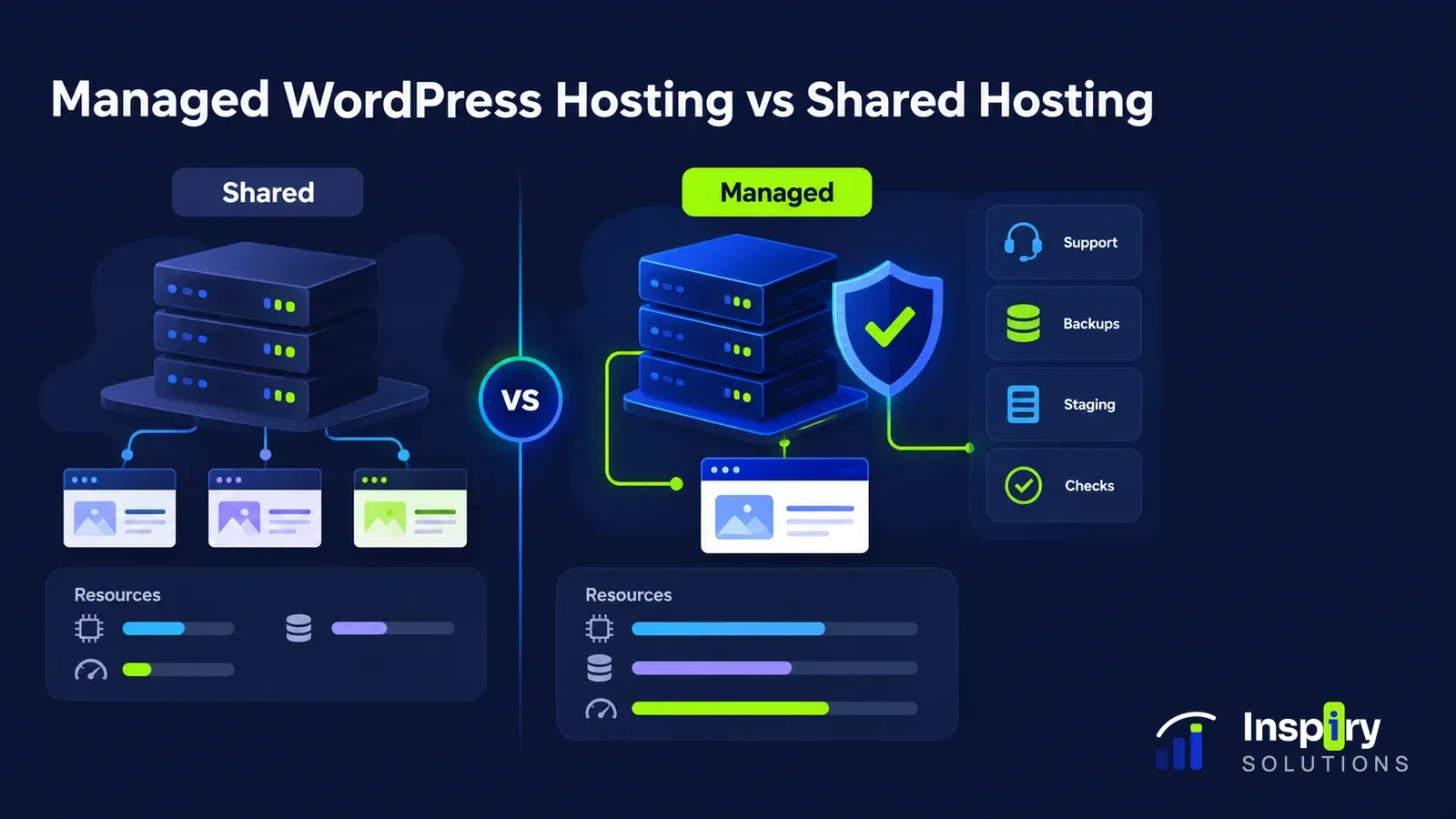
Managed WordPress hosting is worth considering when your business website needs stronger support, reliable backups or resources that basic shared hosting cannot provide.
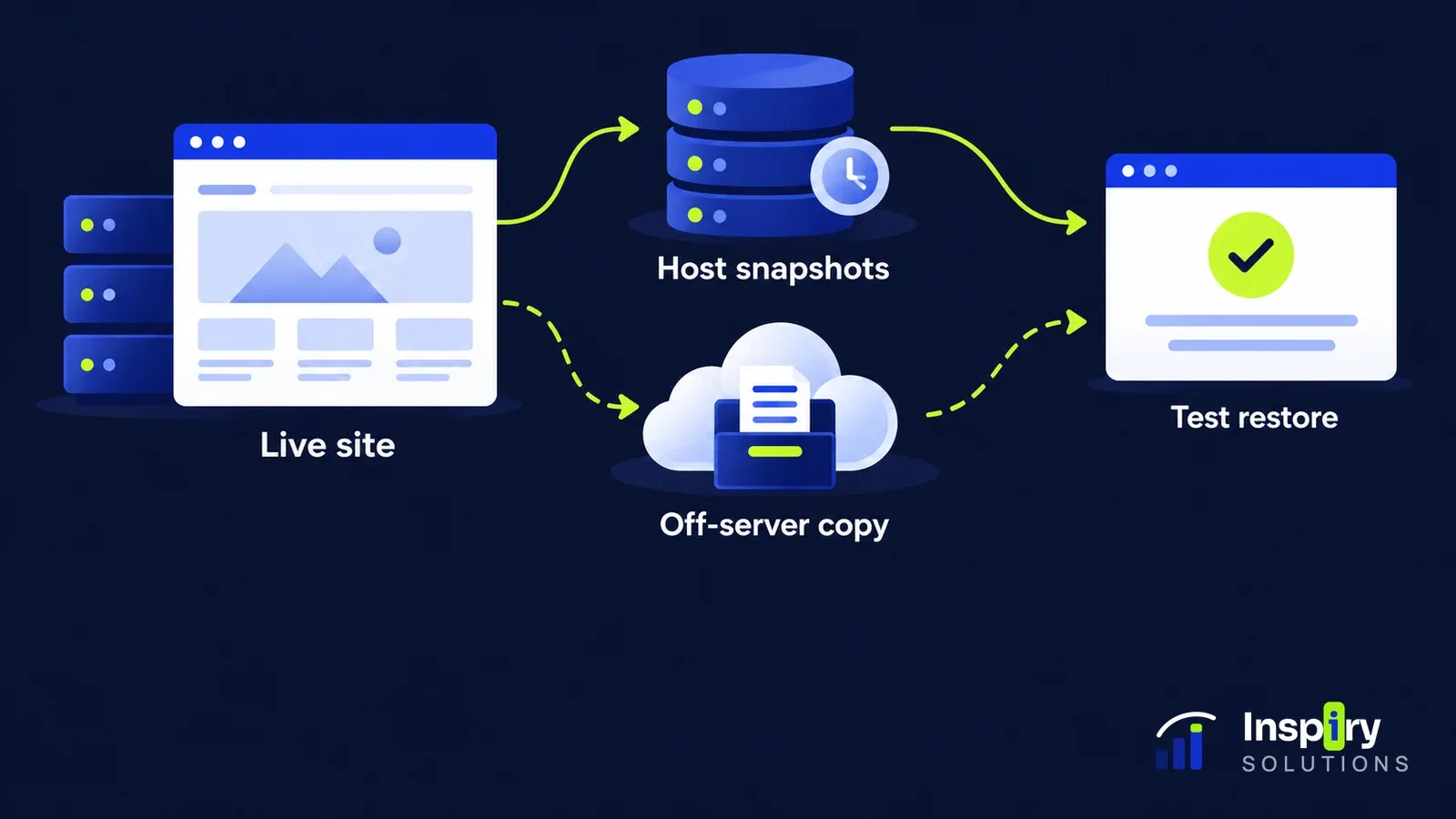
A WordPress backup strategy is only reliable when it covers the right data, keeps independent copies and has been tested through a successful restore.
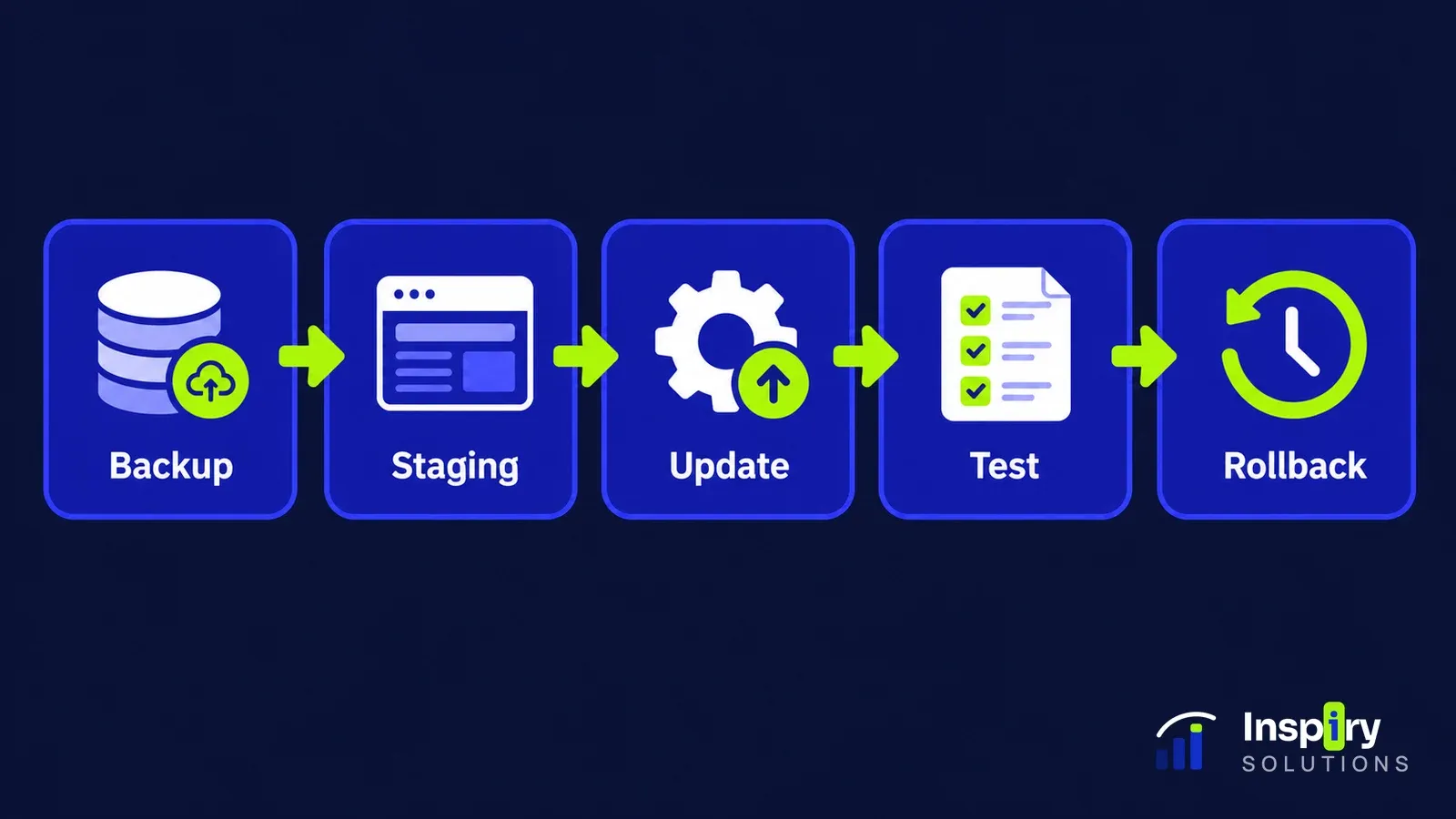
To update WordPress plugins safely, check the risk of each update, create a restorable backup, test complex changes on staging and verify key site functions.
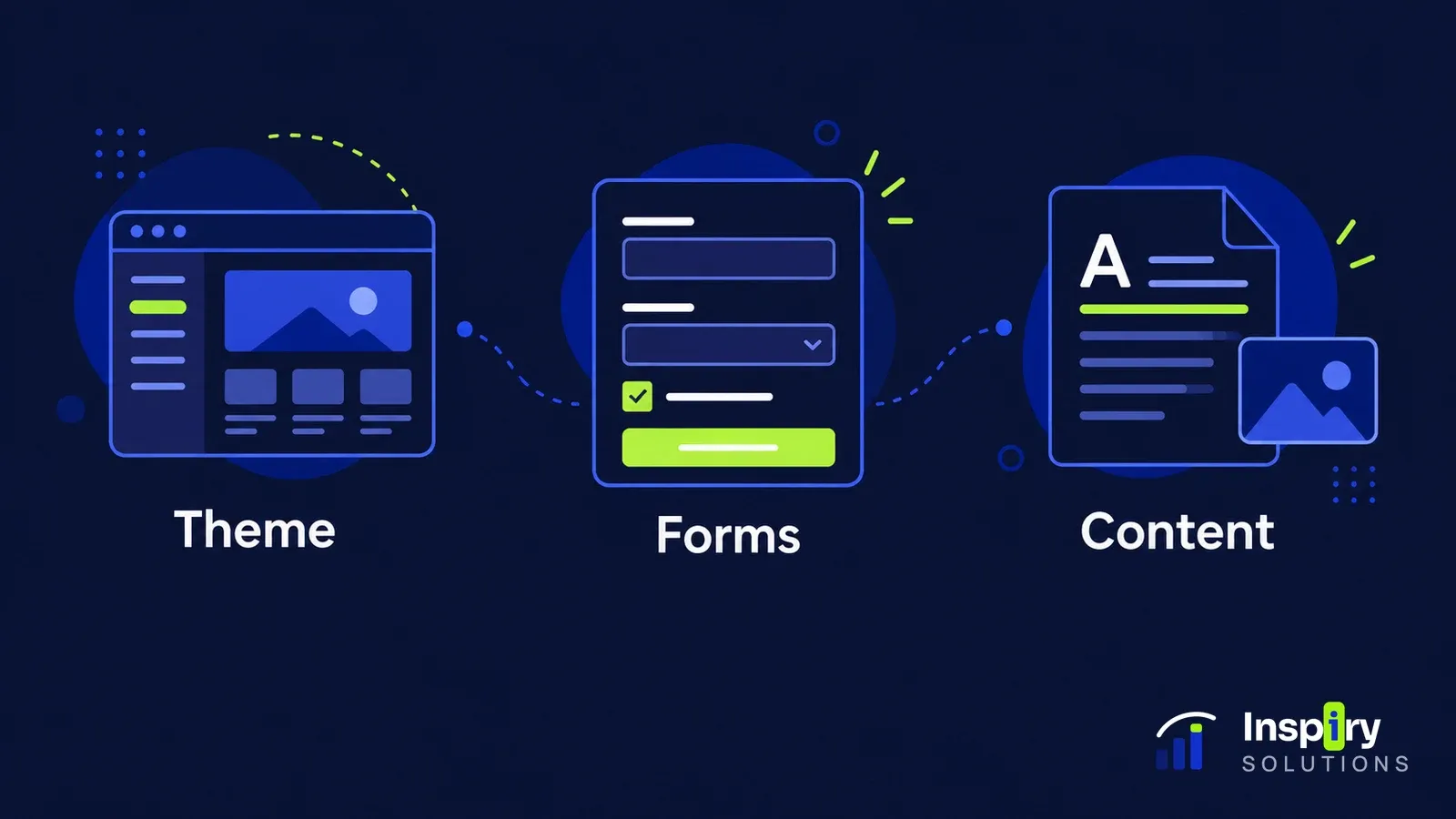
Use this WordPress accessibility checklist to identify WCAG 2.2 issues in your theme, content, forms and media before deciding what needs fixing.
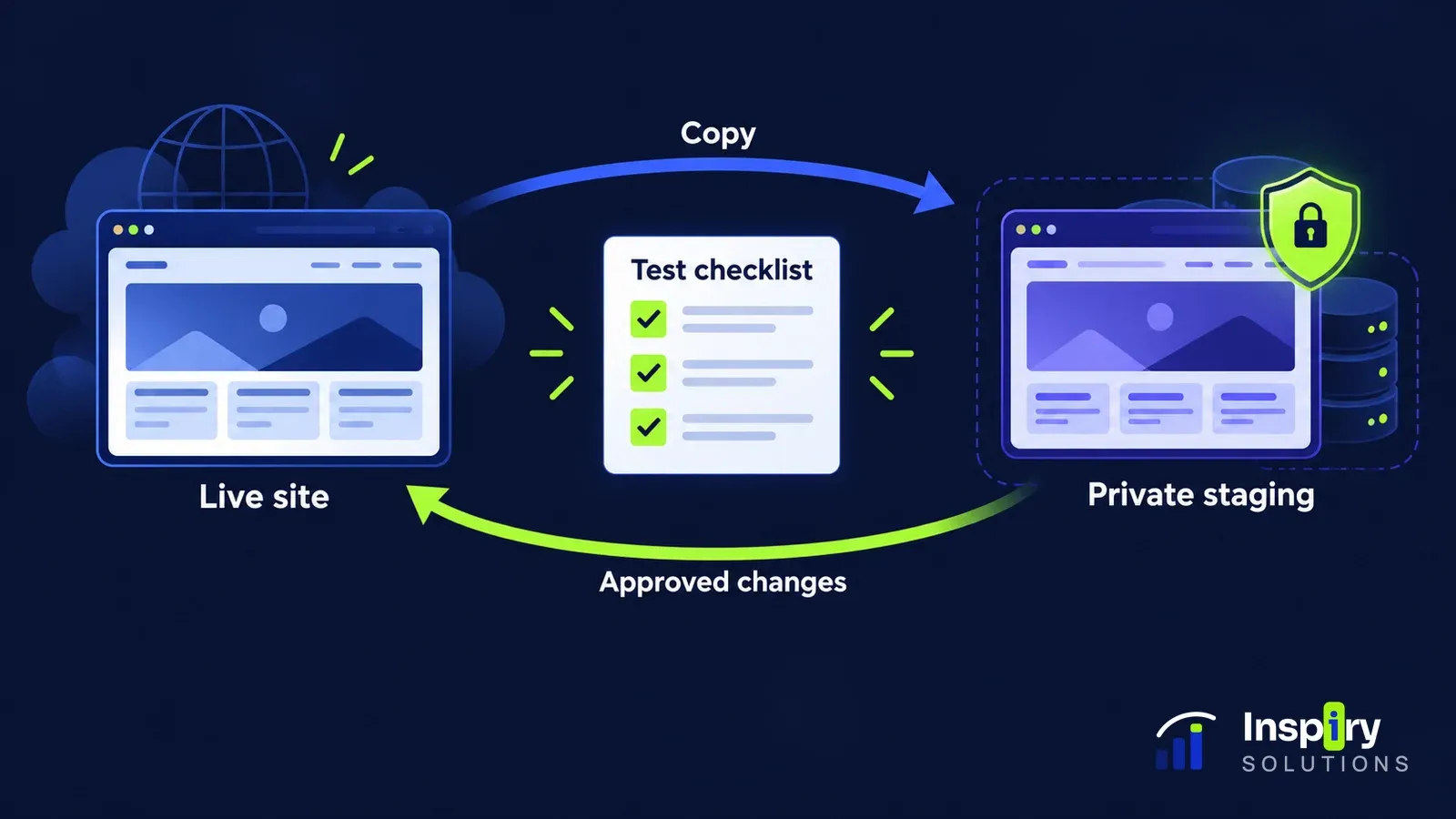
A WordPress staging site lets you test changes privately before updating your live website. Learn four setup methods and how to protect live data.
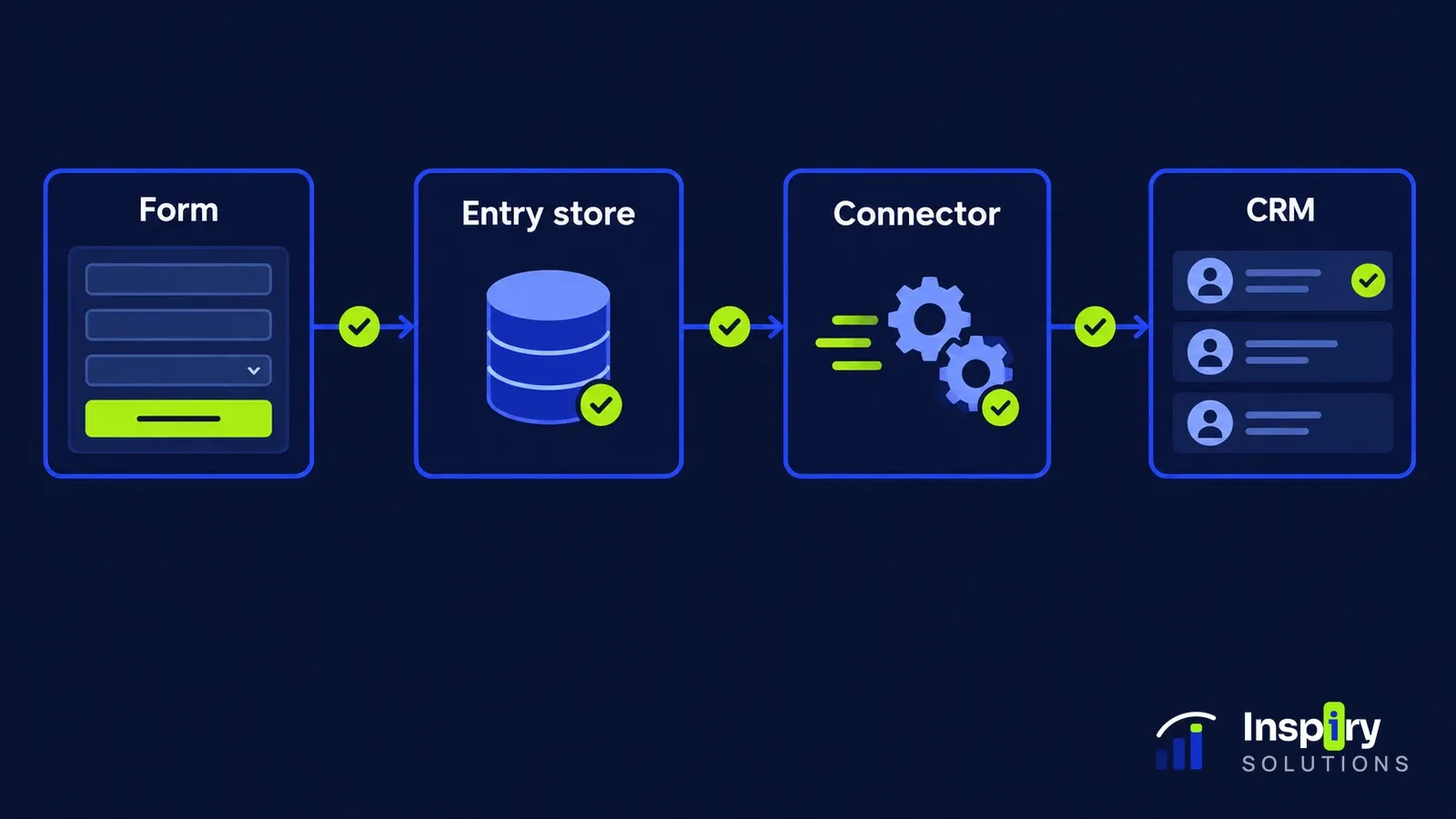
WordPress CRM integration needs more than a working connection. Store every submission, monitor failures and test the entire path from form to sales team.
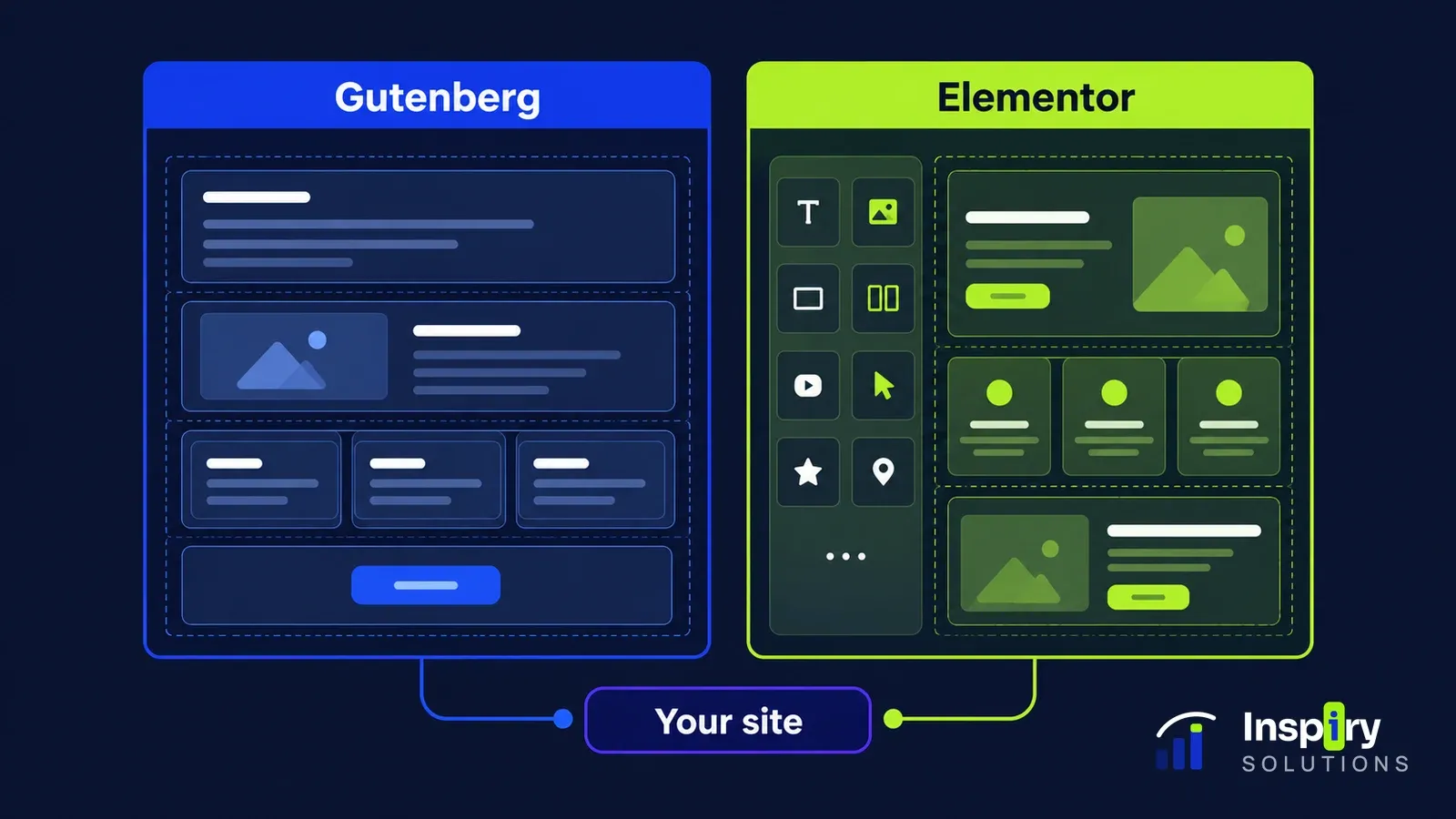
Gutenberg vs Elementor in 2026 is a choice between a simpler WordPress editing foundation and greater visual design control, so match the builder to who edits and maintains your site.
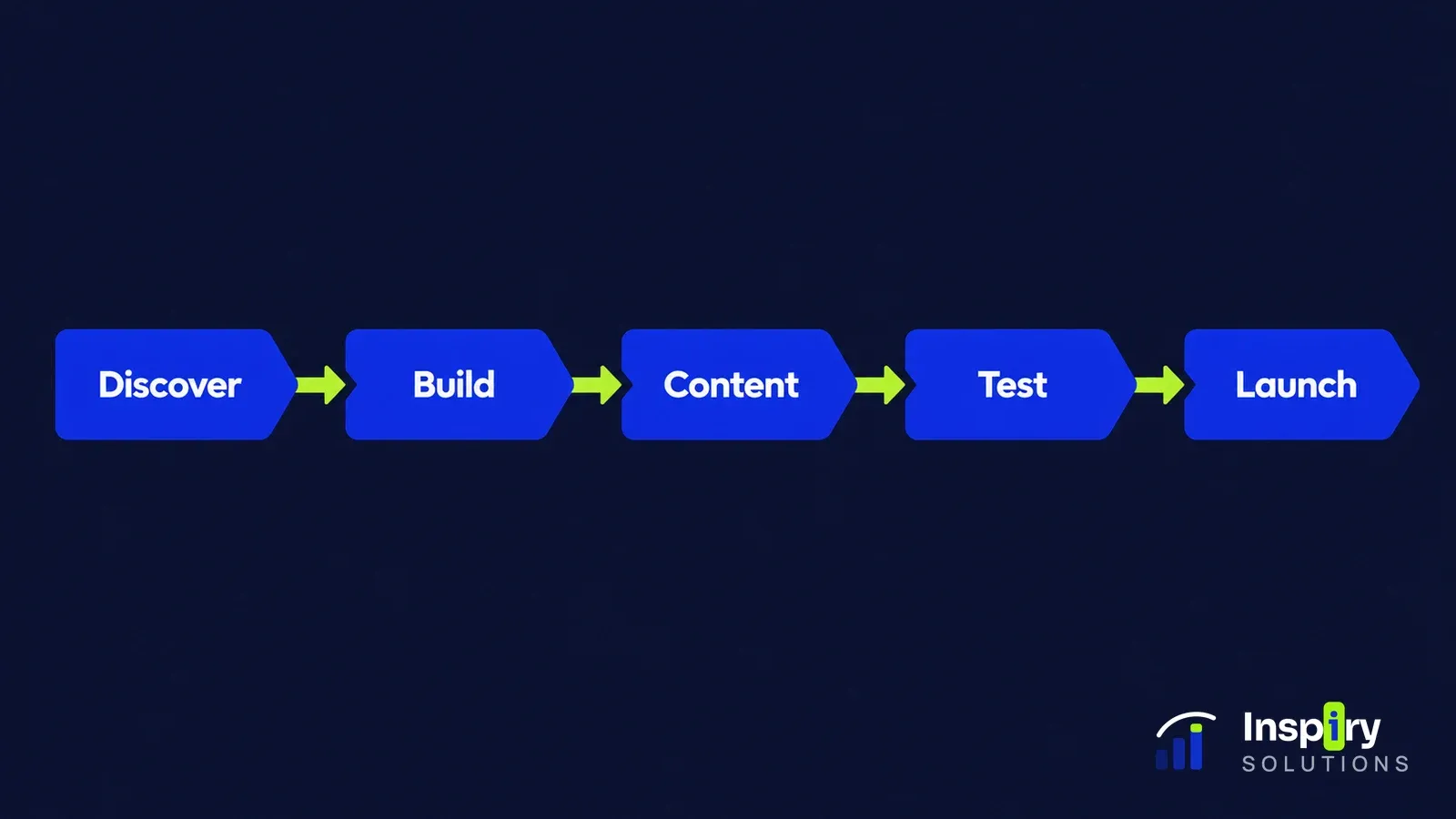
A WordPress website build timeline depends on scope, content readiness, decisions and whether an existing site needs migrating.
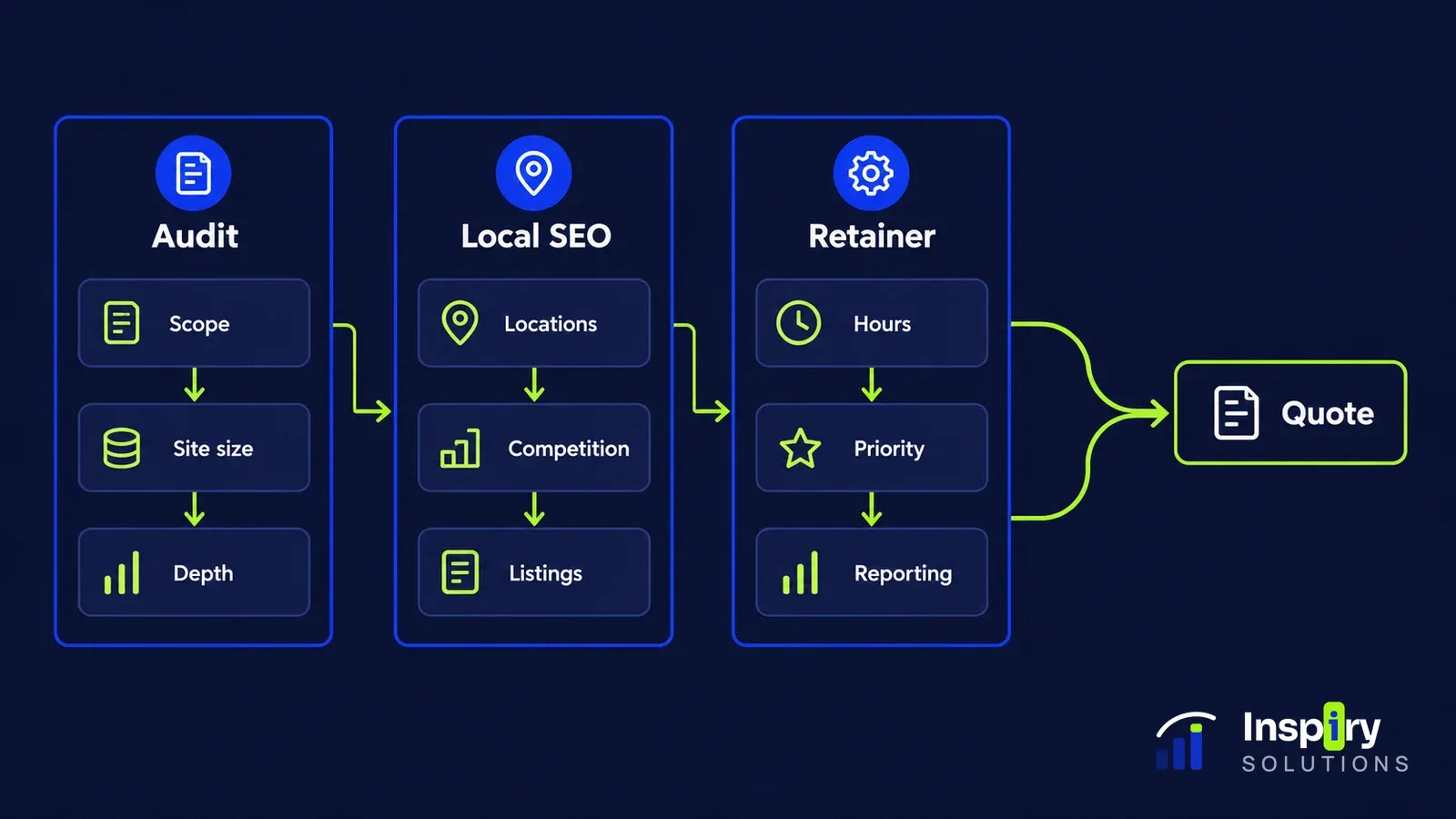
SEO pricing in 2026 depends on what needs diagnosing, fixing and maintaining. A technical SEO audit, local SEO campaign and monthly retainer buy different work.
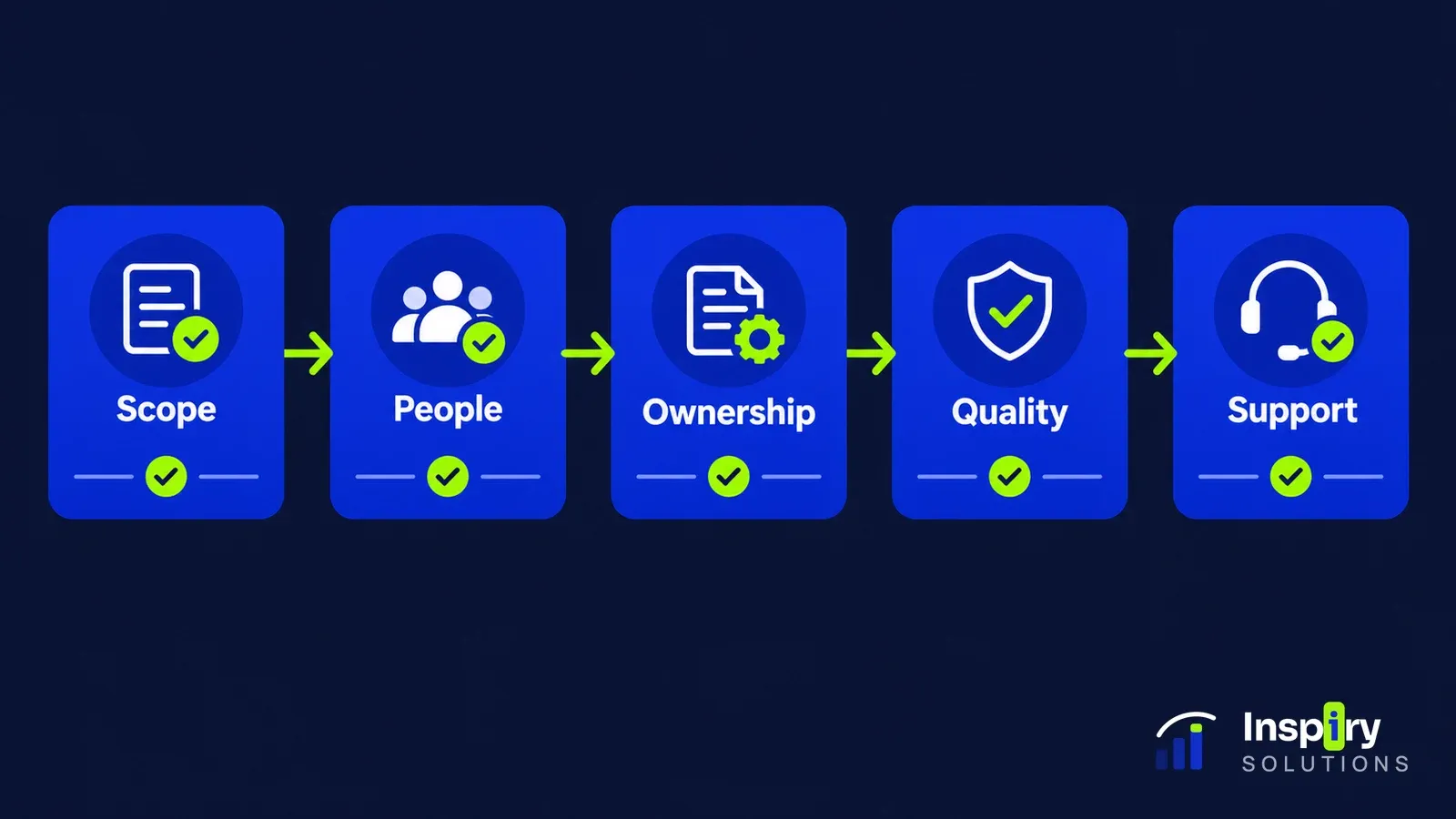
The right questions to ask a web developer cover scope, accountability, ownership, quality and support, not just price or portfolio quality.
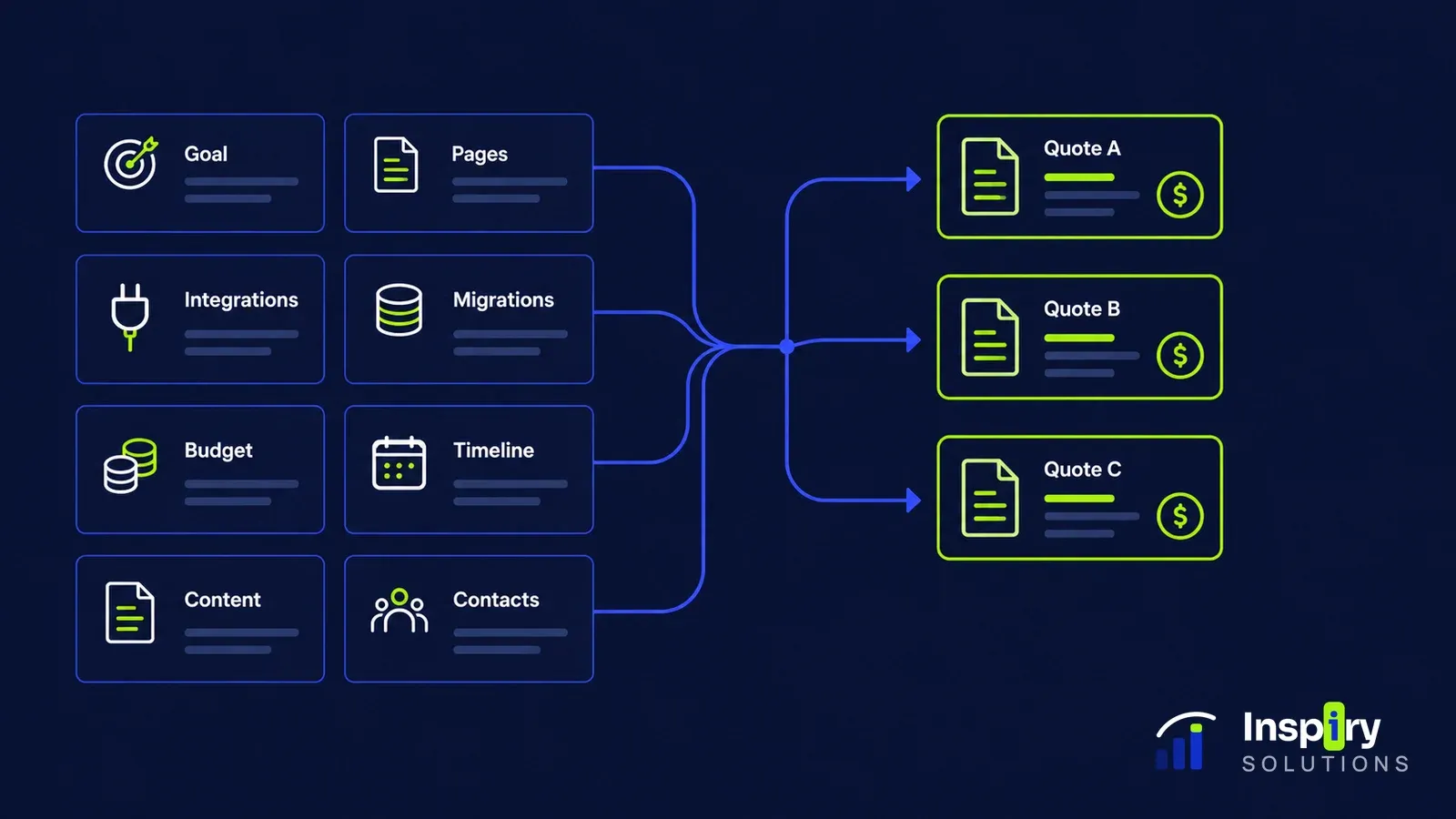
A website brief template helps you get accurate, comparable quotes by defining your goals, pages, functions, integrations, content and project responsibilities.
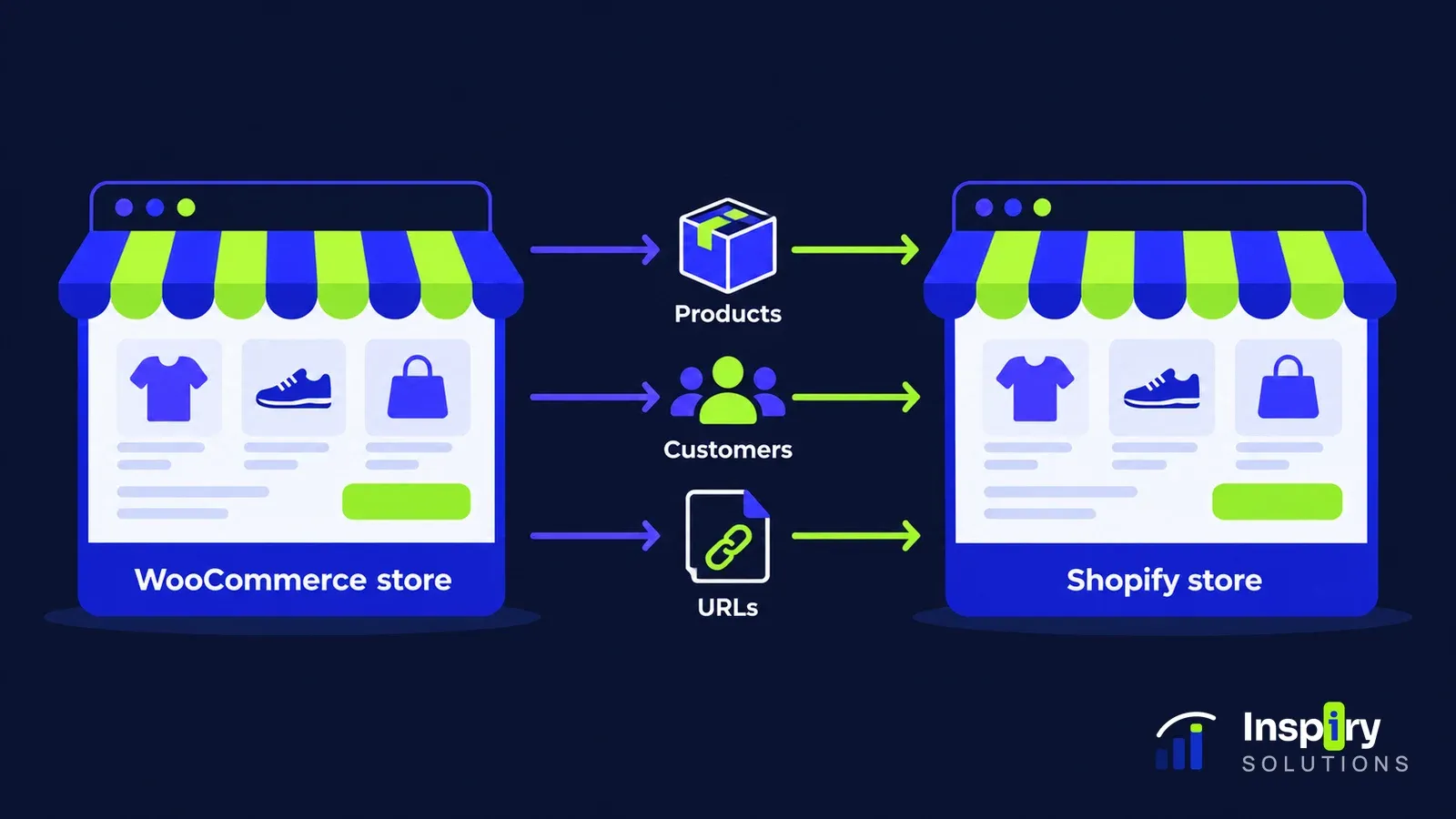
A WooCommerce to Shopify migration starts with an inventory of your store’s features, followed by data mapping, rebuilding, redirects and testing.
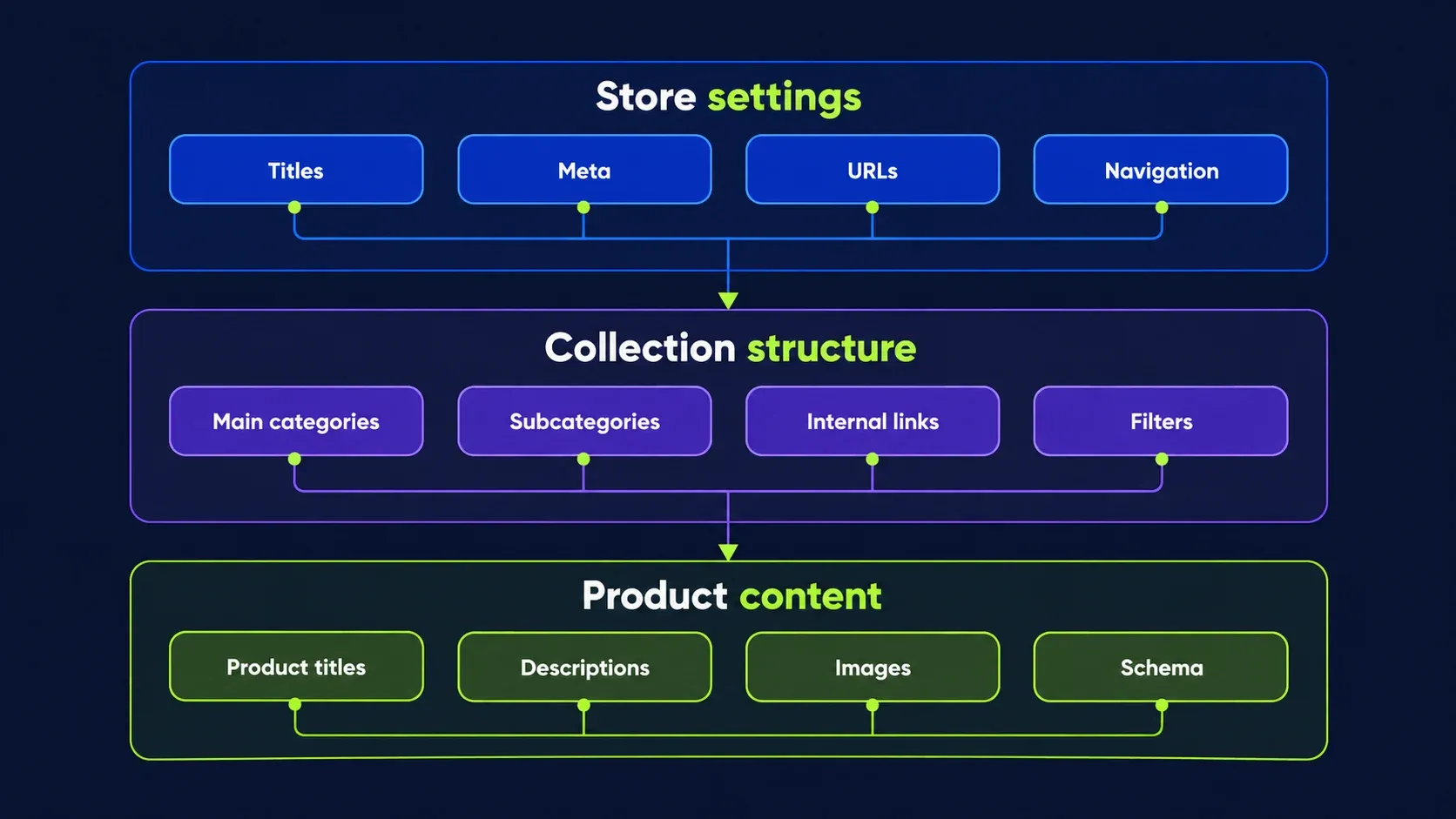
A Shopify SEO checklist should start with indexing, store settings and collection structure before moving on to product copy, images and meta tags.
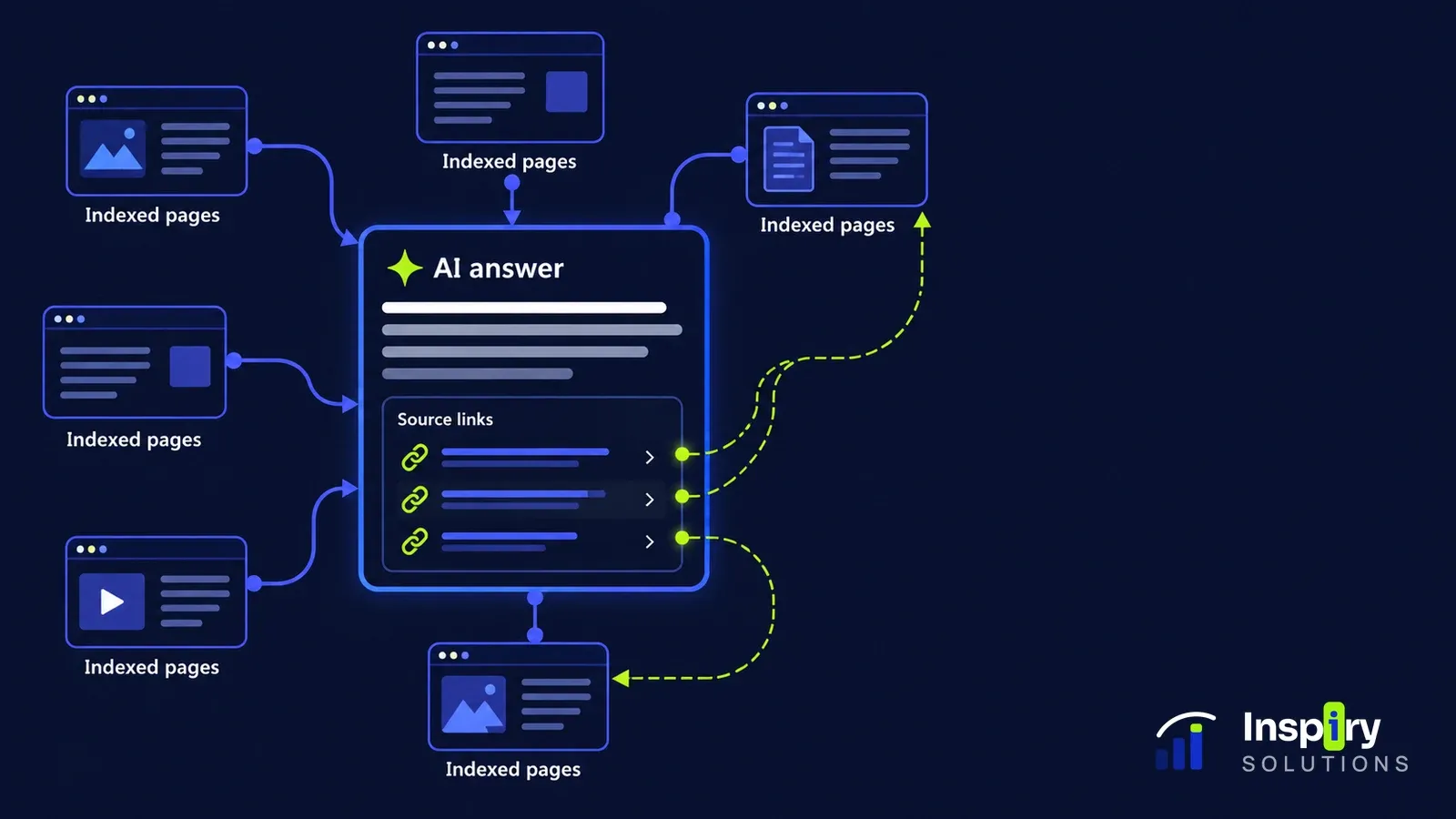
Google AI Overviews SEO starts with indexed, snippet-eligible pages and useful content. Learn how Google chooses sources and how to measure the traffic impact.
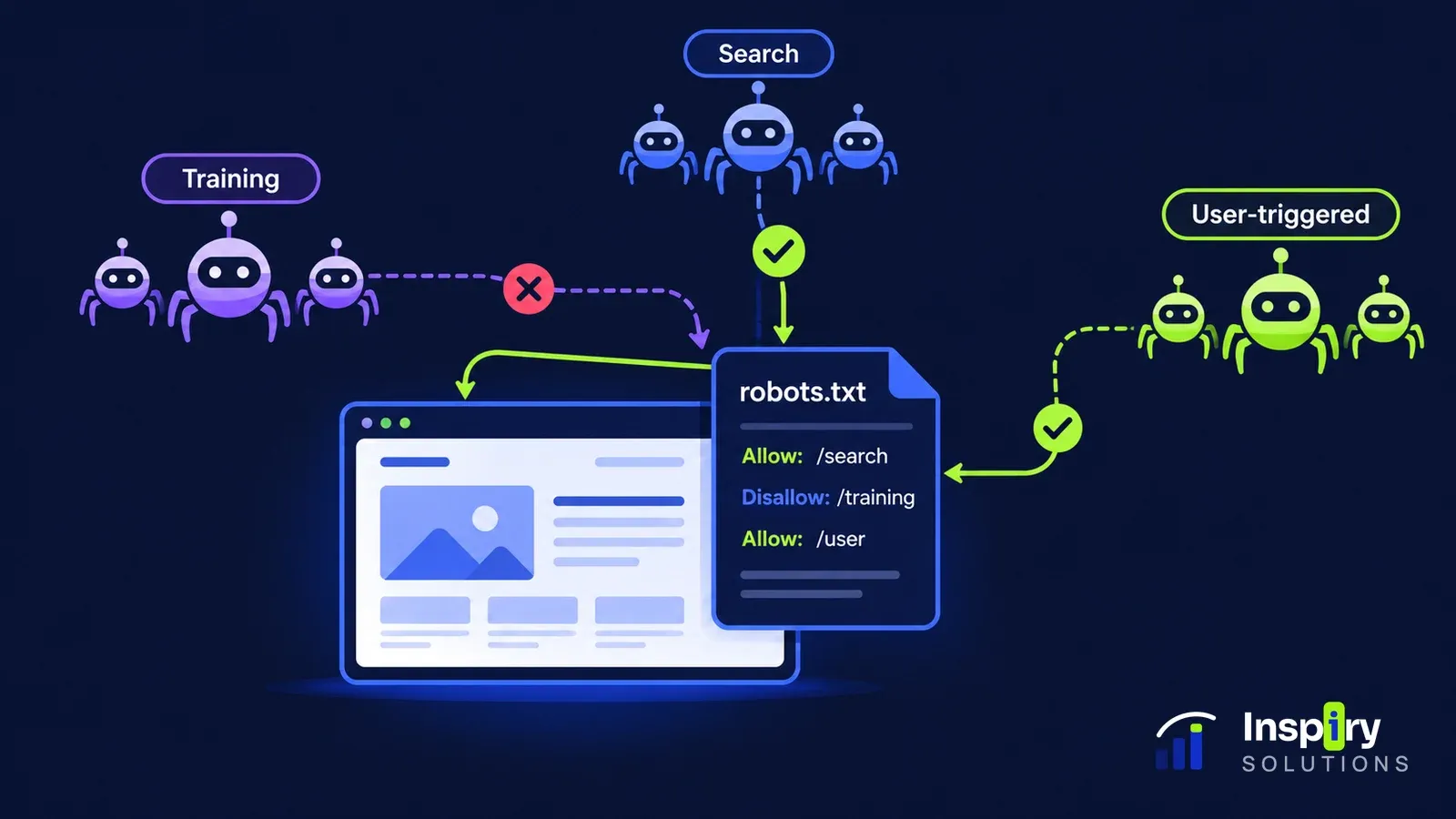
You can block AI crawlers selectively without blocking every route into AI search. Most service businesses should decide separately about training and search access.
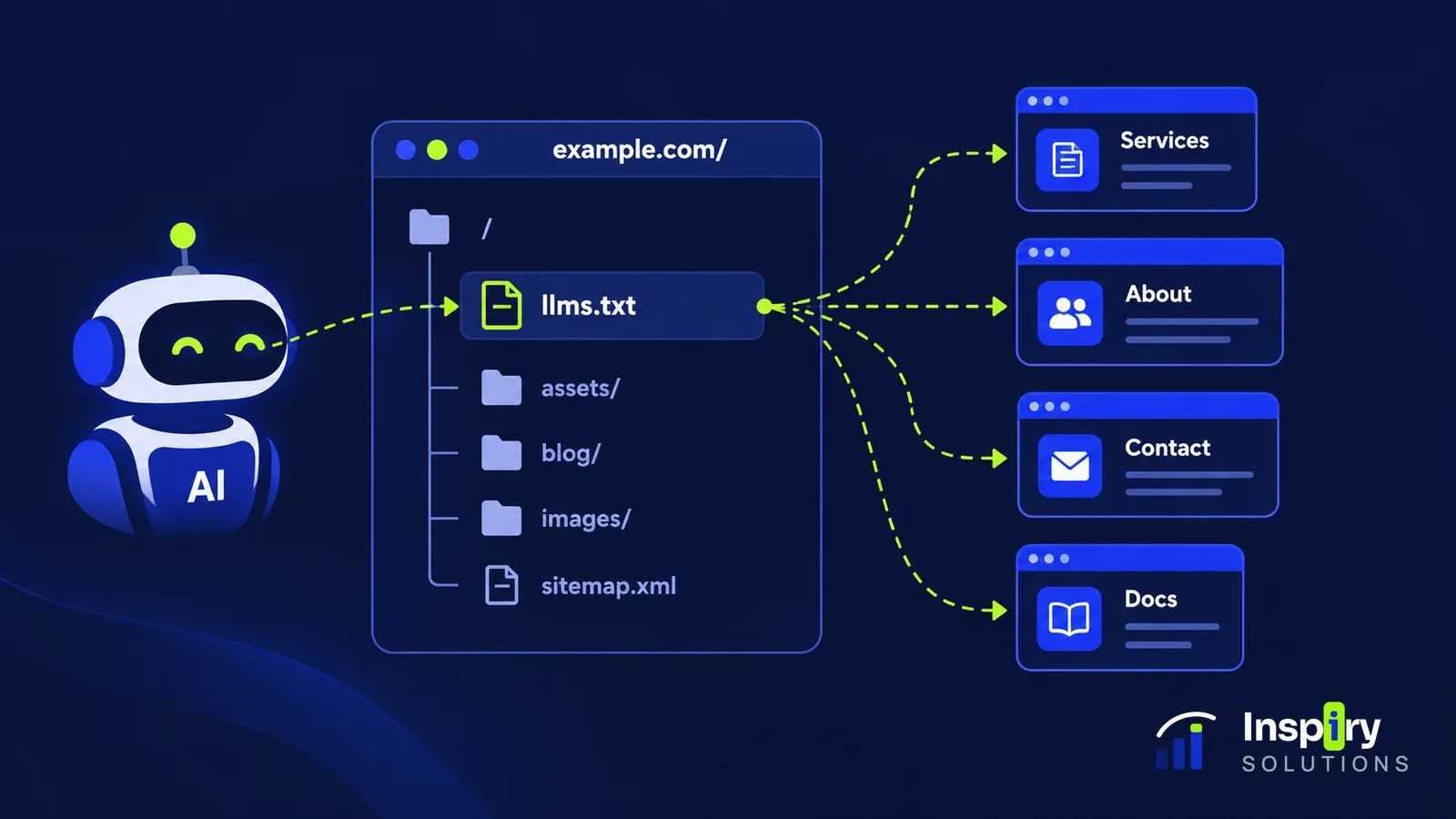
llms.txt is a proposed Markdown file that helps language models find important information on your website, but most business websites do not need one urgently.
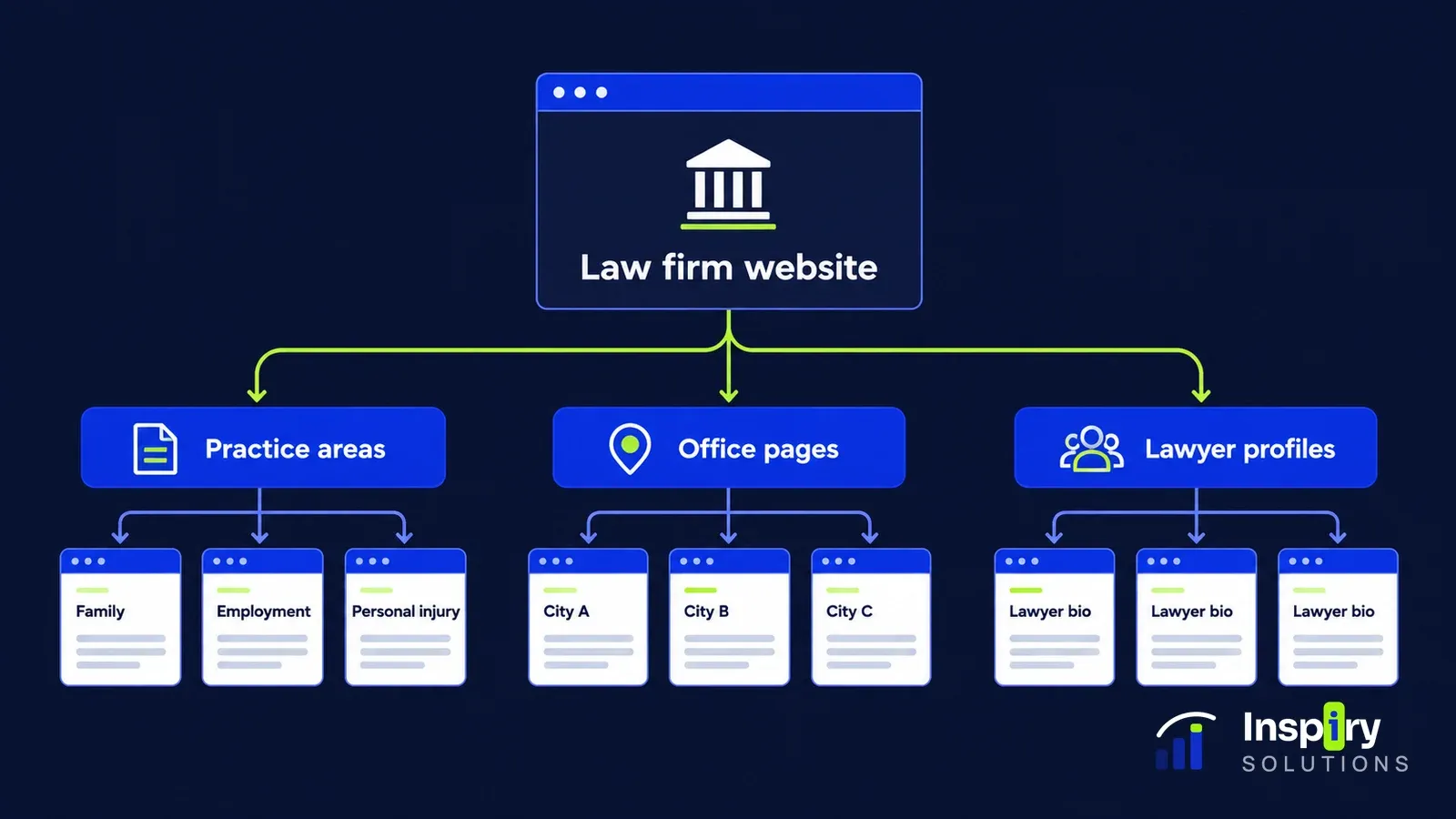
Law firm local SEO works best when each practice area explains the service clearly, each staffed office has a useful location page, and both are connected.
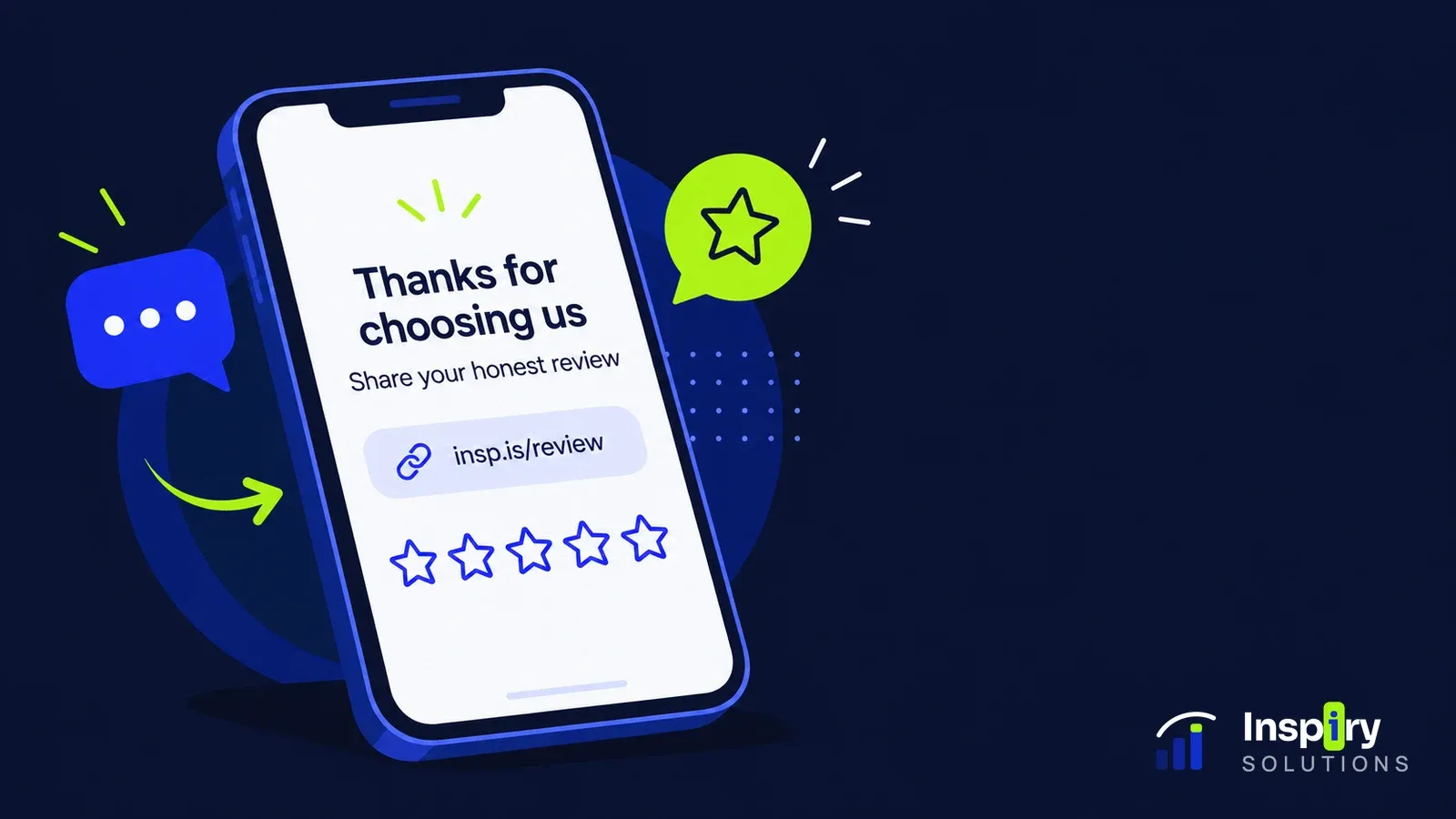
To get more Google reviews, ask every customer for honest feedback at the right moment, send a direct review link, and make requesting feedback part of your routine.
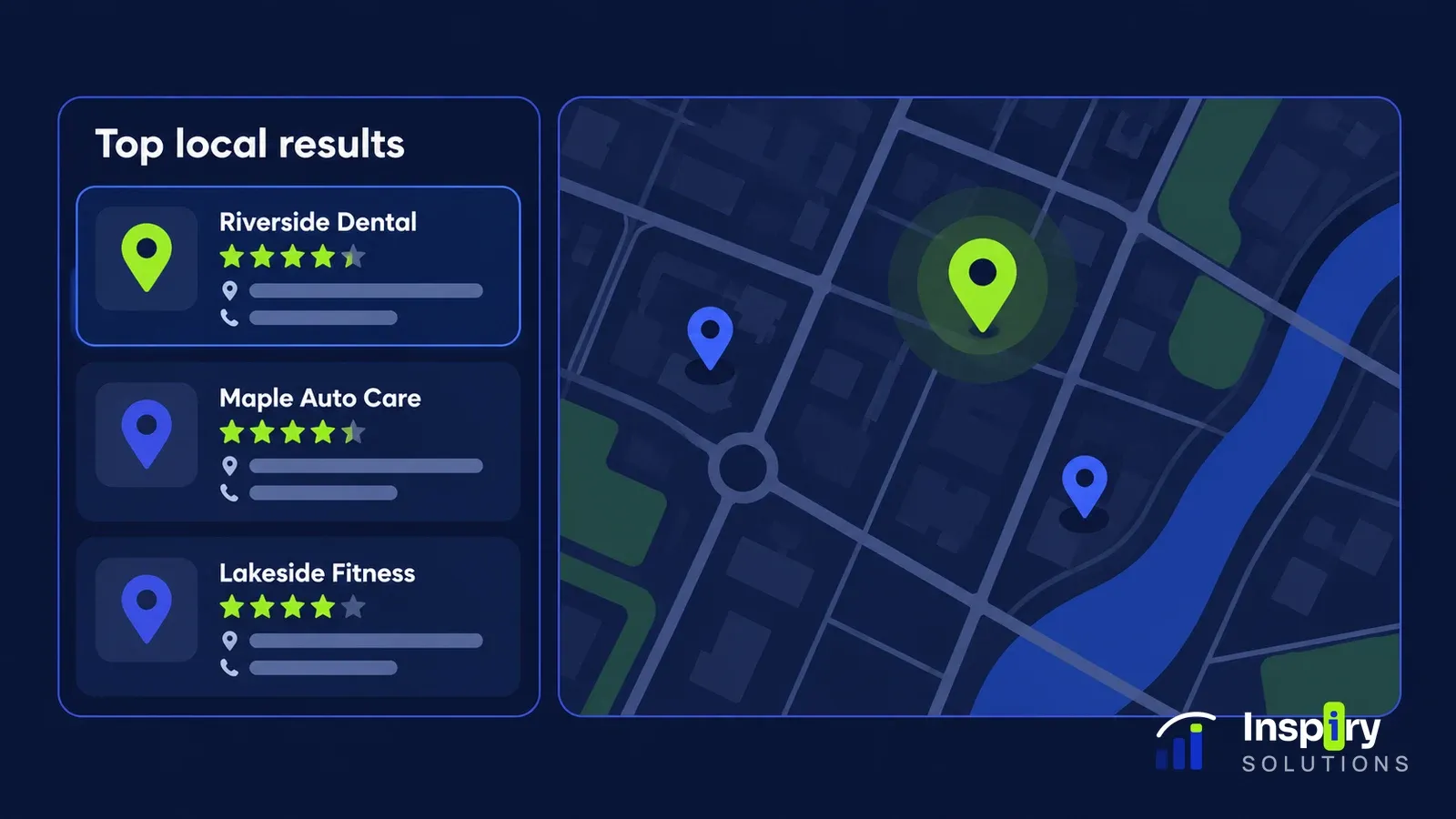
To learn how to rank in google maps, focus on three things: relevance, distance and prominence.
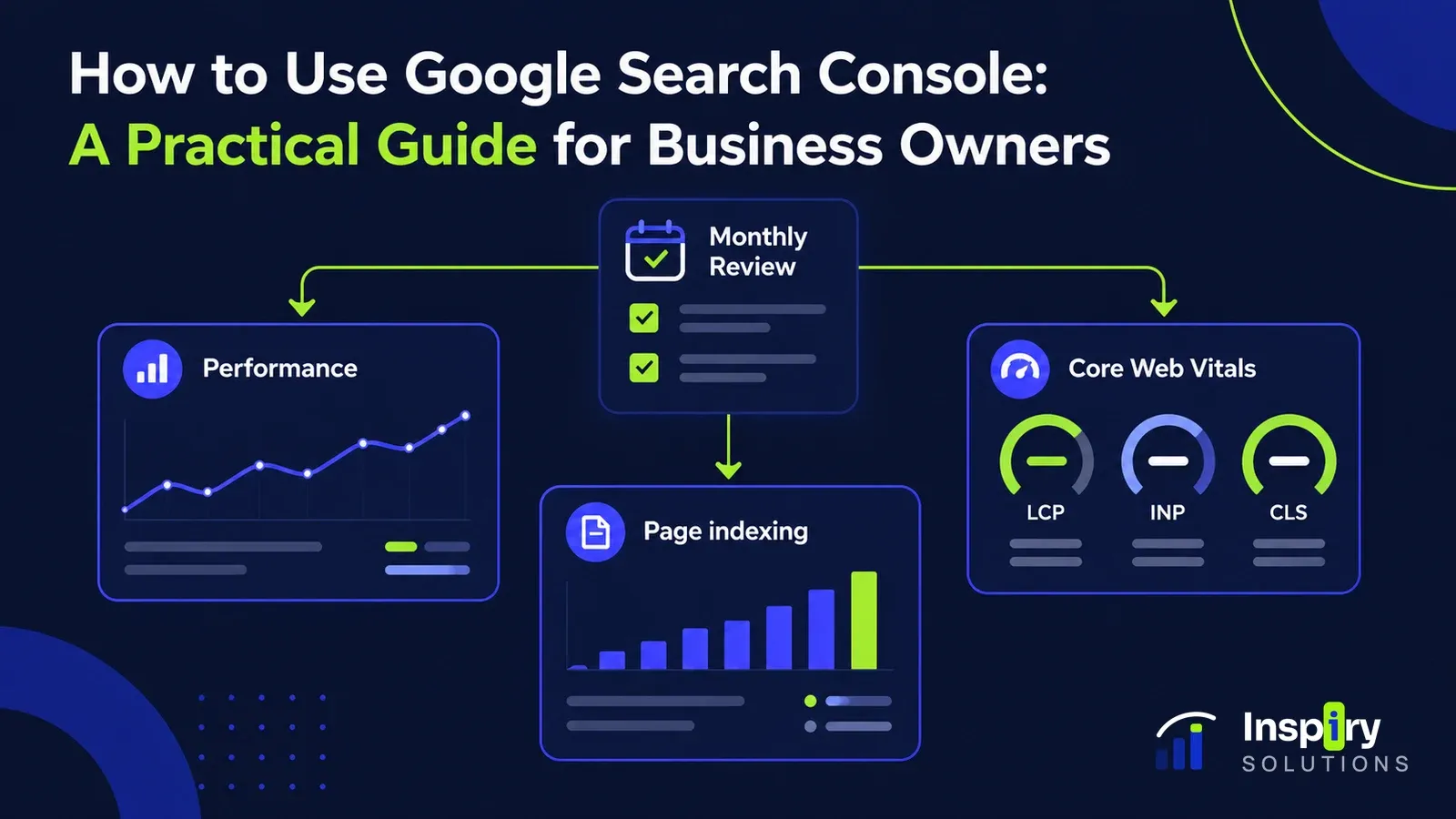
To learn how to use Google Search Console, start with five checks: review search visibility, identify changes to important pages, check indexing, confirm your sitemap and look for technical warnings.
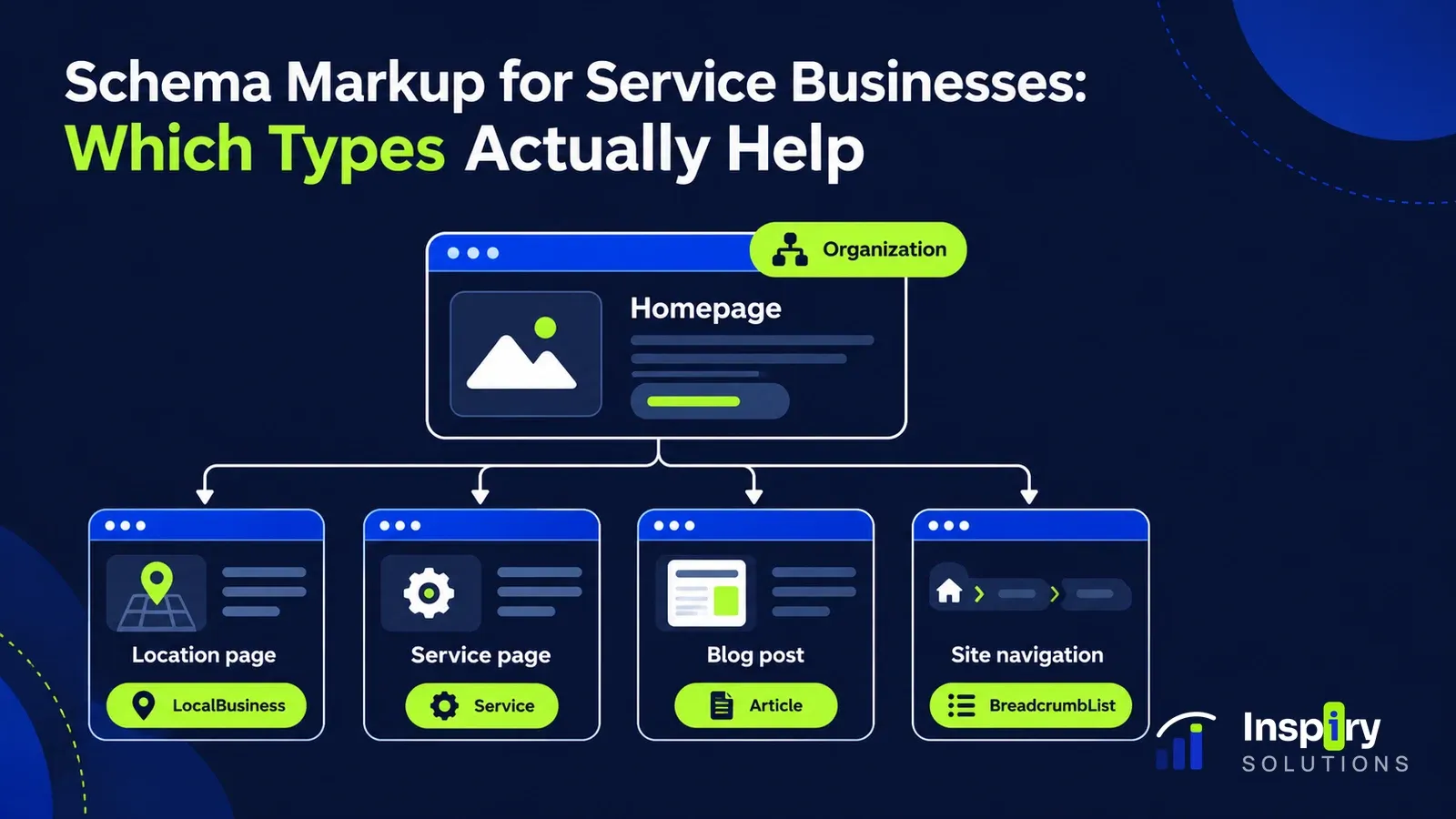
Schema markup for service businesses is most useful when five types are mapped to the right pages: Organization, LocalBusiness, Service, Article and BreadcrumbList.
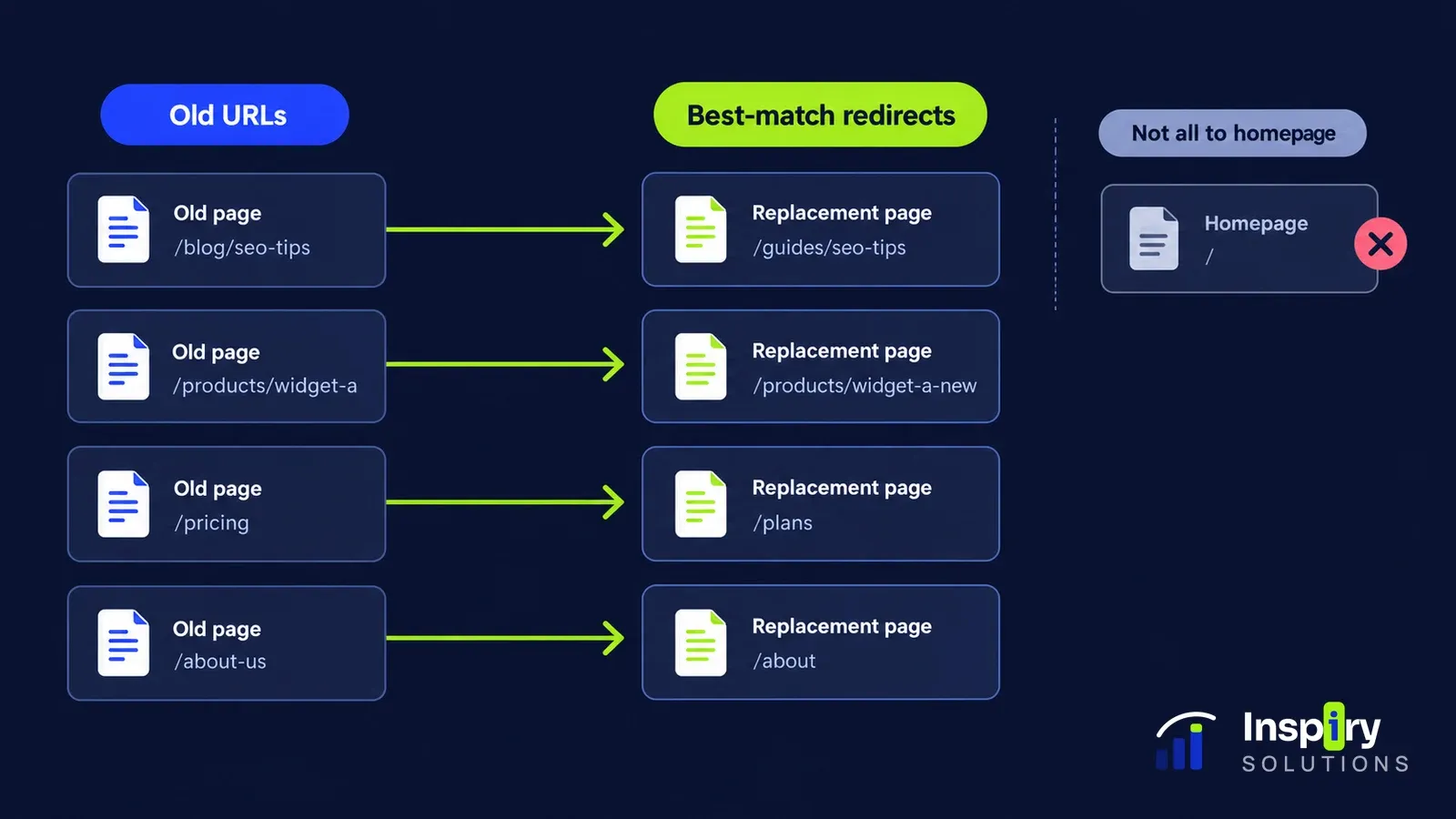
301 redirects for SEO help preserve search visibility when URLs change by sending visitors and search engines to the most relevant replacement pages.
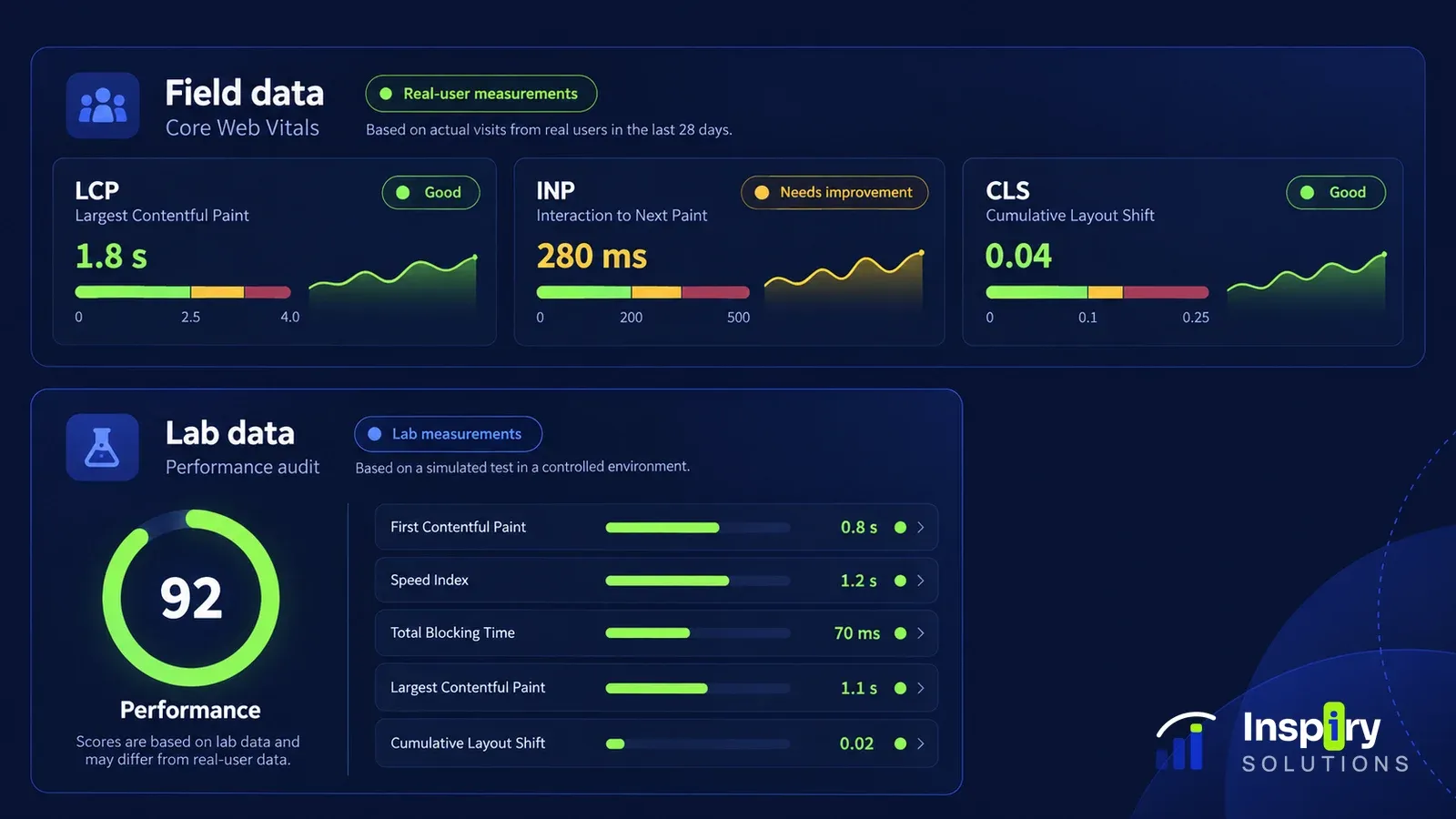
PageSpeed Insights explained simply: check real-user results first, use the lab score to diagnose problems, then make a prioritised fix list.
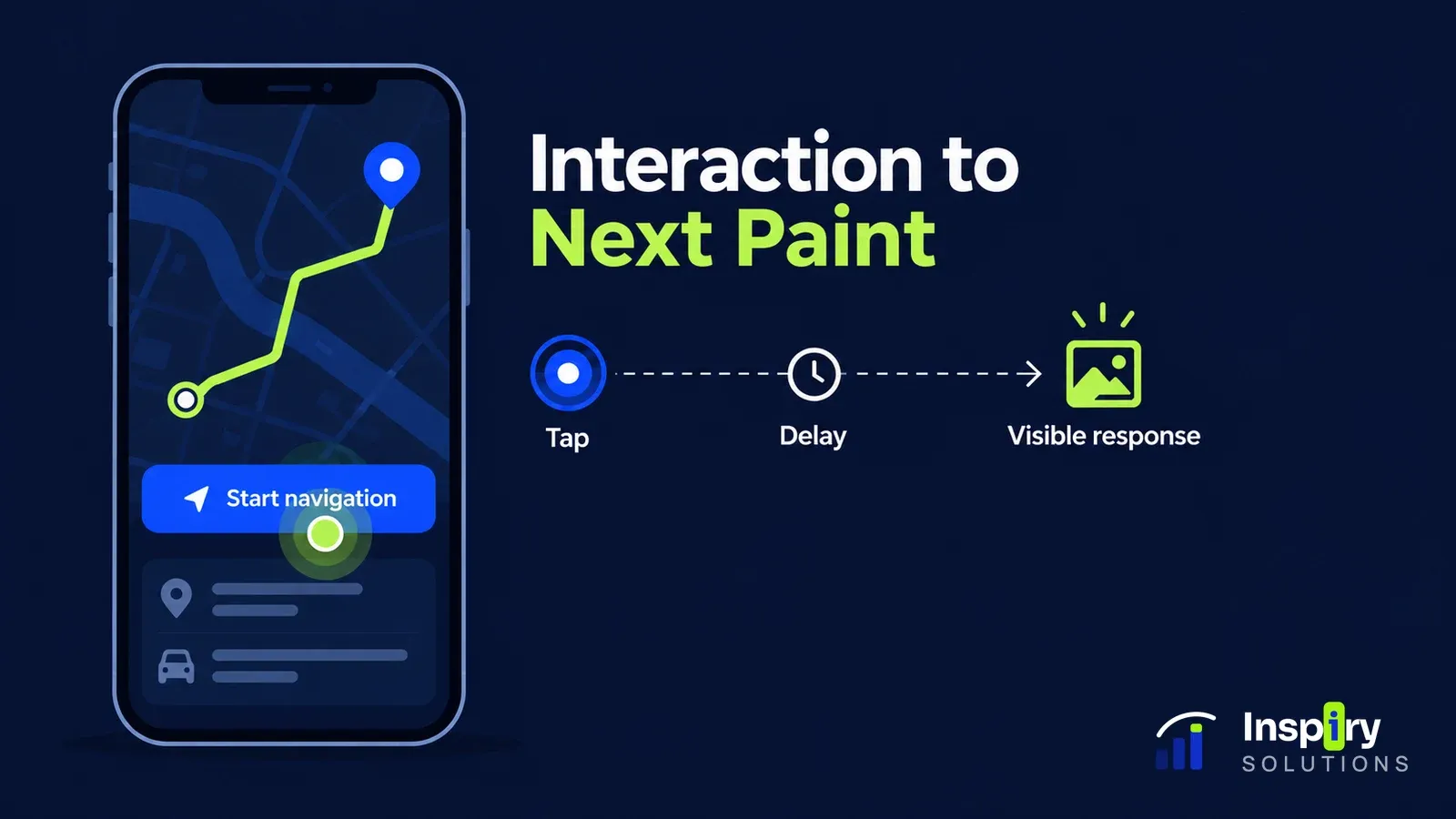
Interaction to Next Paint (INP) measures how quickly a website visually responds when someone clicks, taps or presses a key.
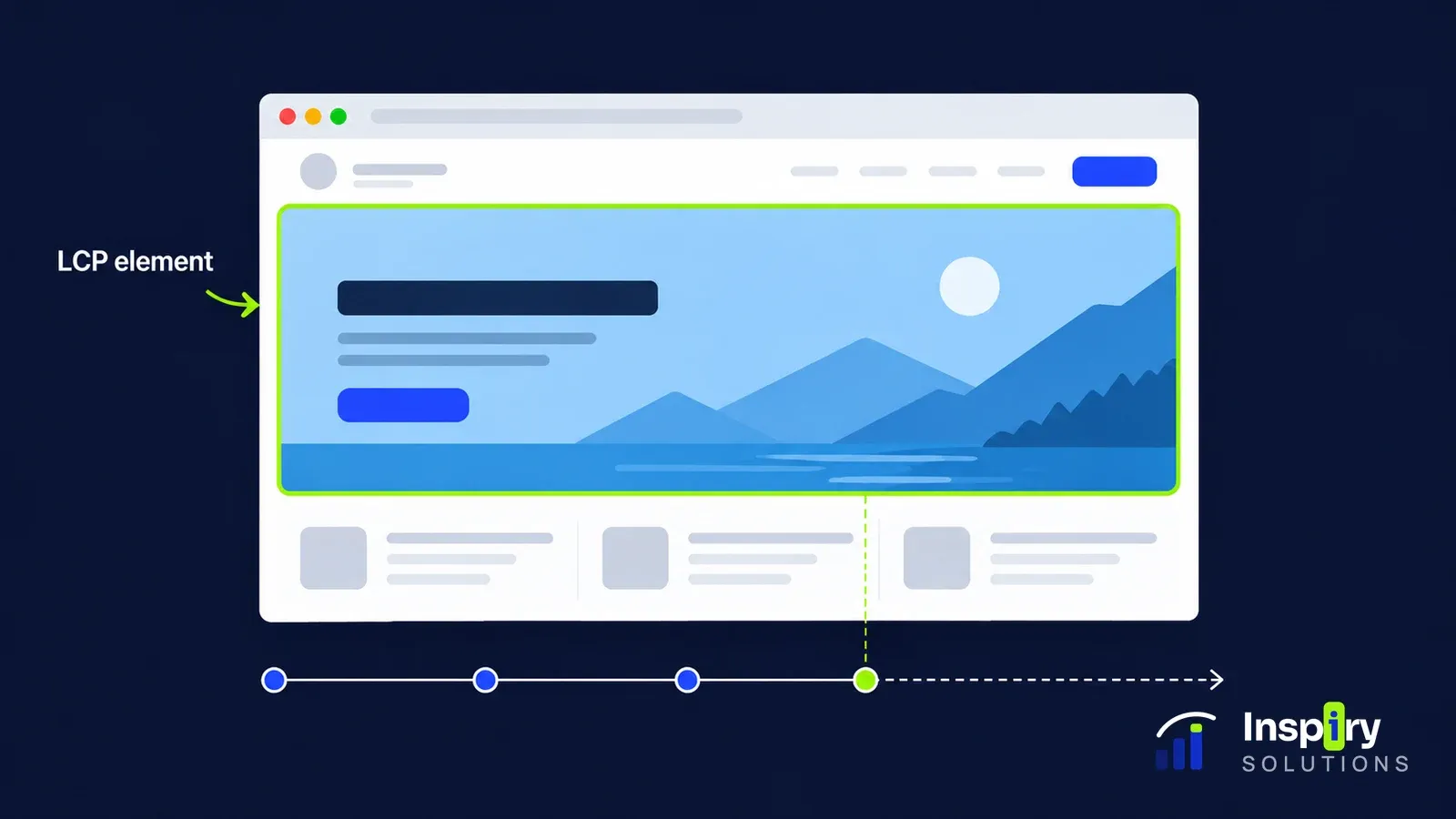
To improve largest contentful paint, find the biggest visible element, identify which of four delays holds it back, and fix the largest delay first.
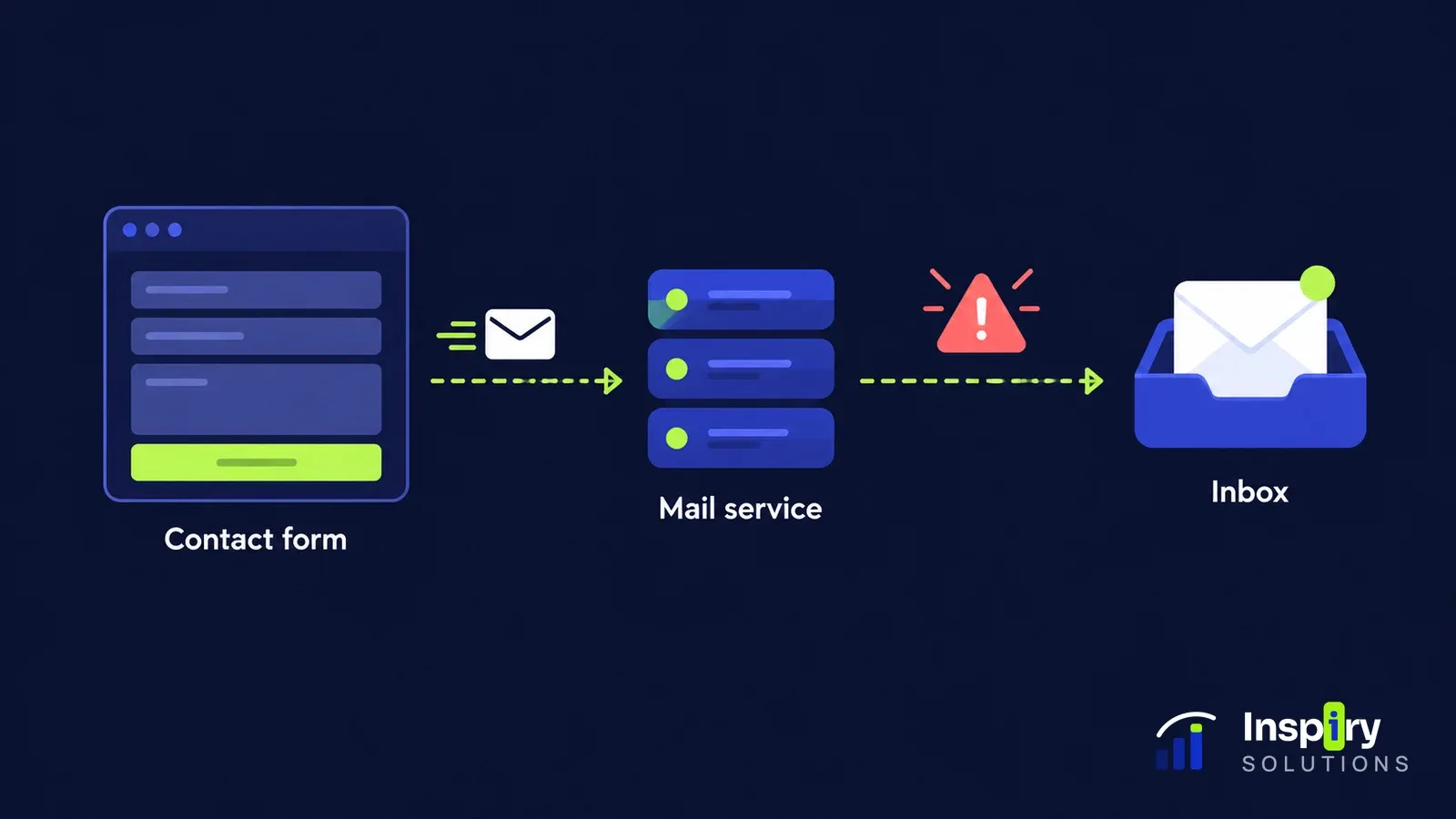
WordPress emails not sending from your contact form? Find where delivery fails, fix your mail setup and protect future enquiries.
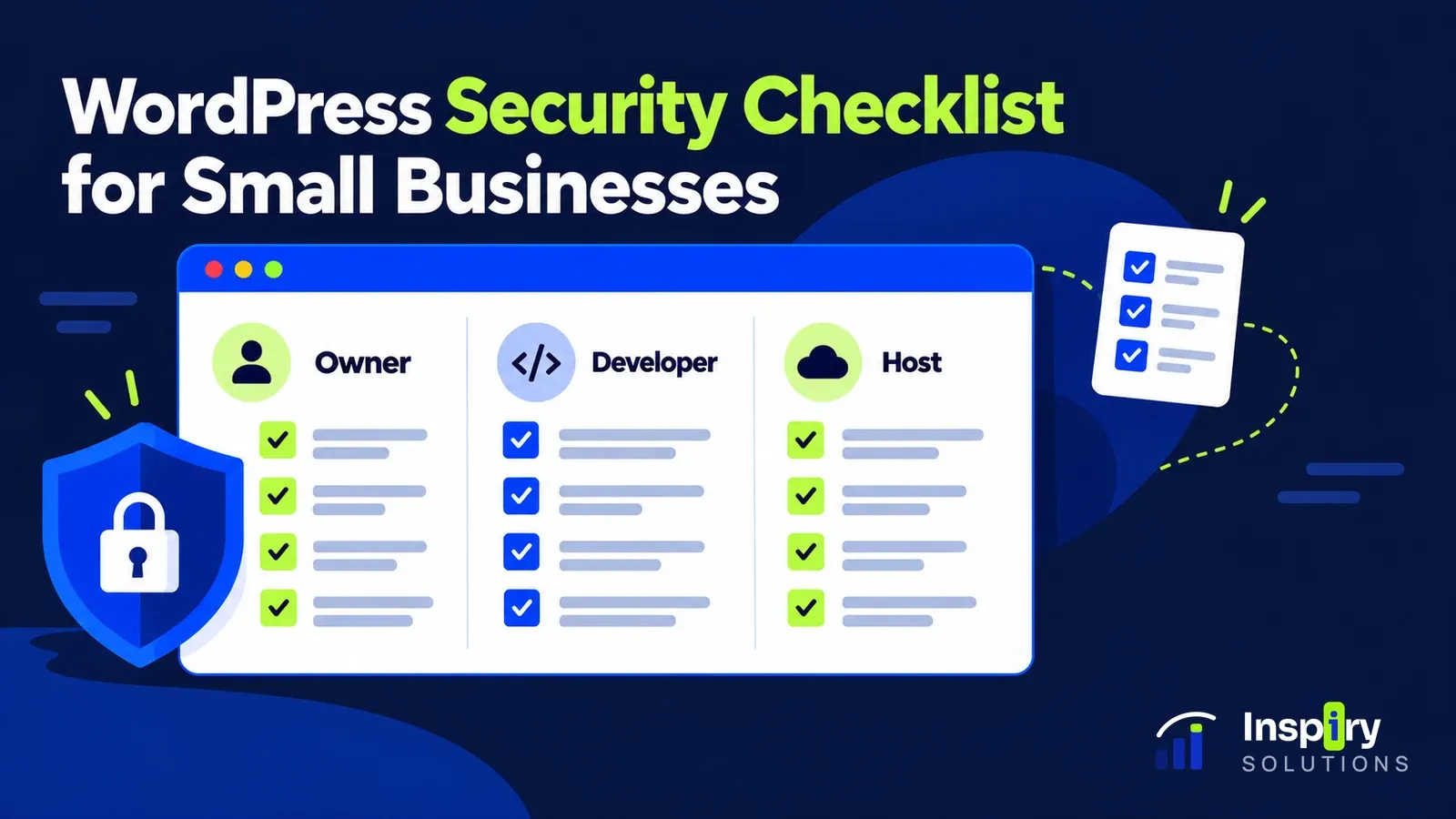
A WordPress security checklist helps small businesses protect their websites by assigning essential tasks to the owner, developer and hosting provider.
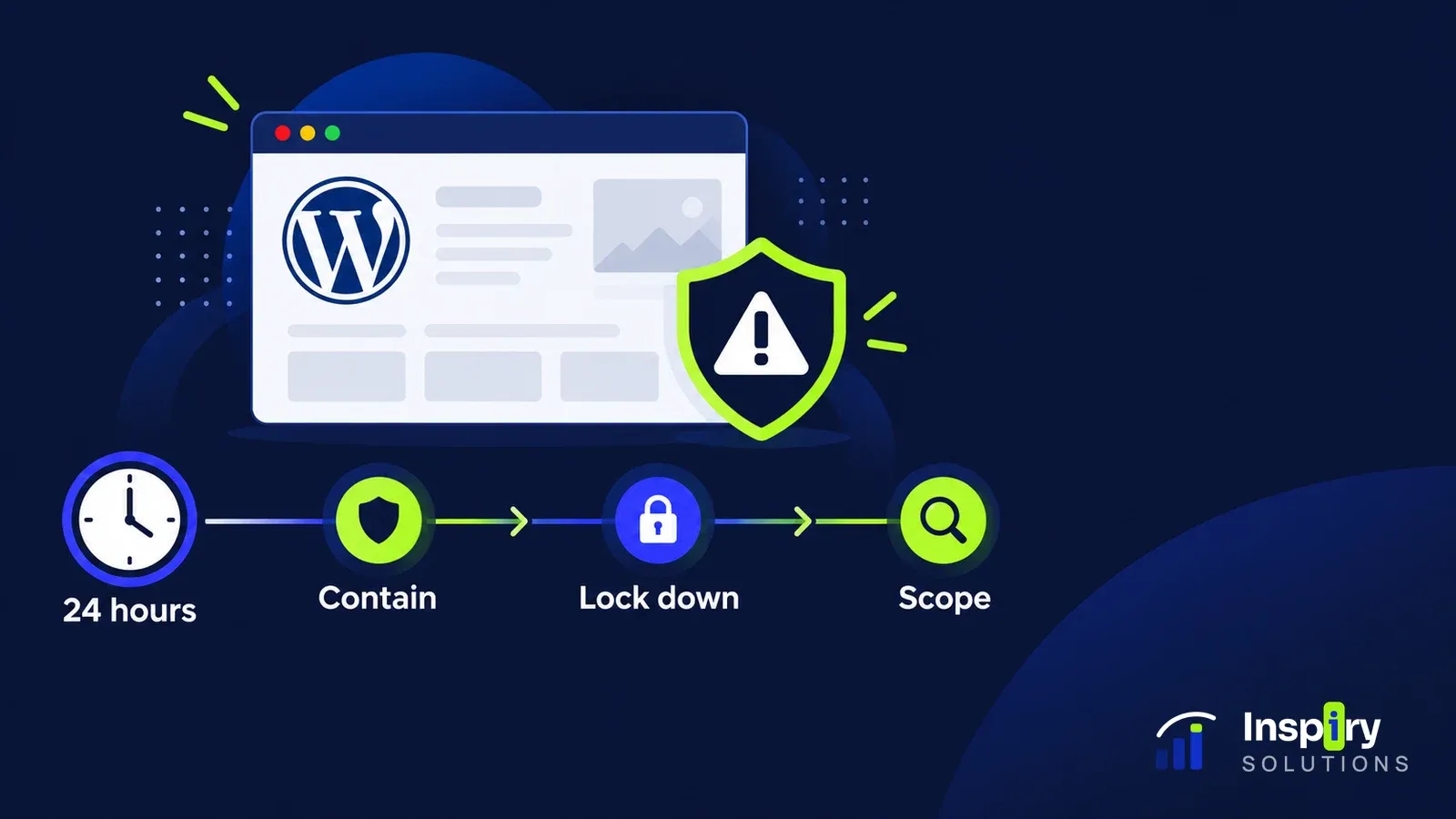
If you have a hacked WordPress site, contain the damage, preserve evidence and secure access before attempting to remove suspicious files.
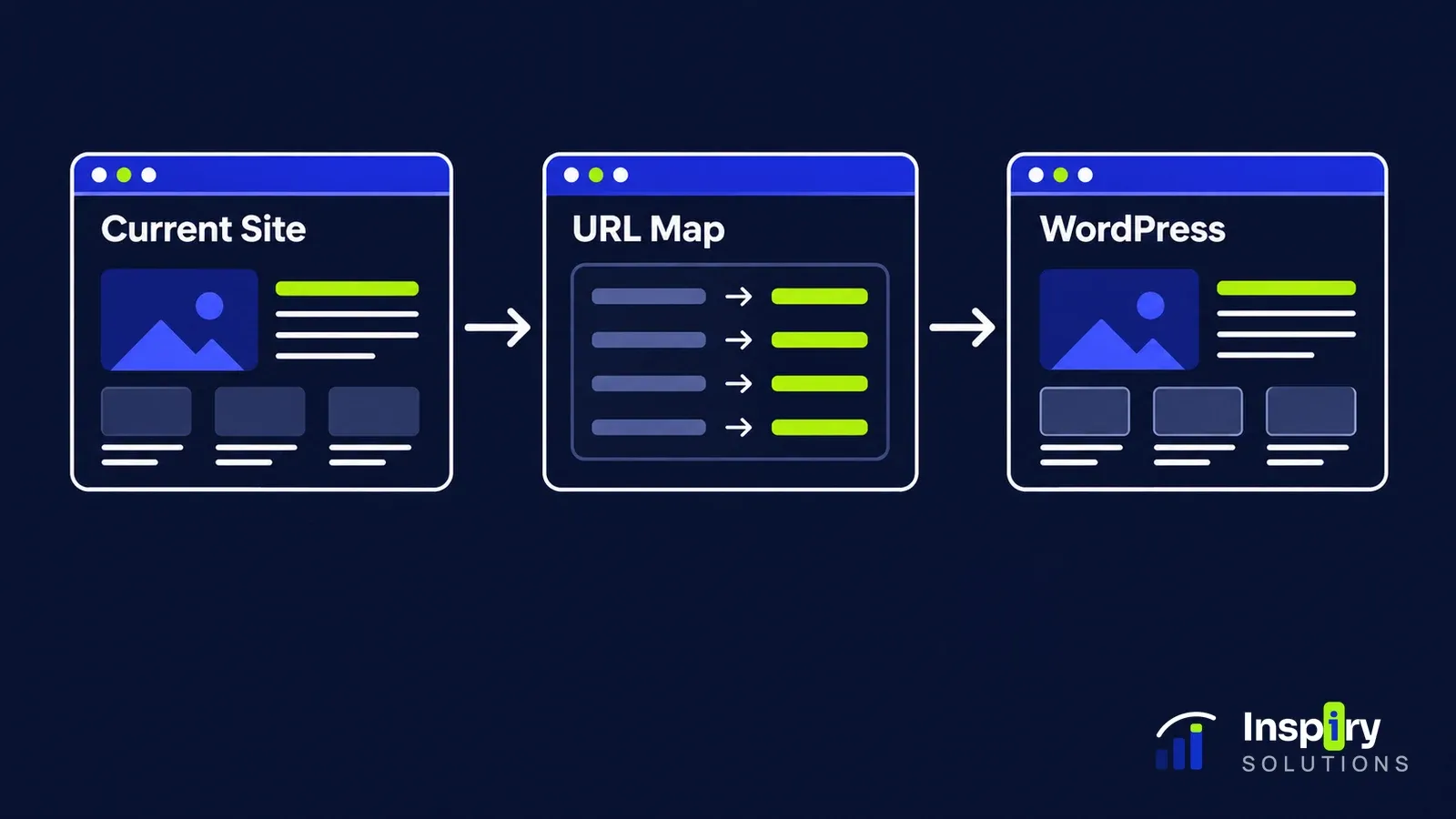
A Wix to WordPress migration requires rebuilding your site, preserving important URLs, setting up redirects and protecting domain and email settings.
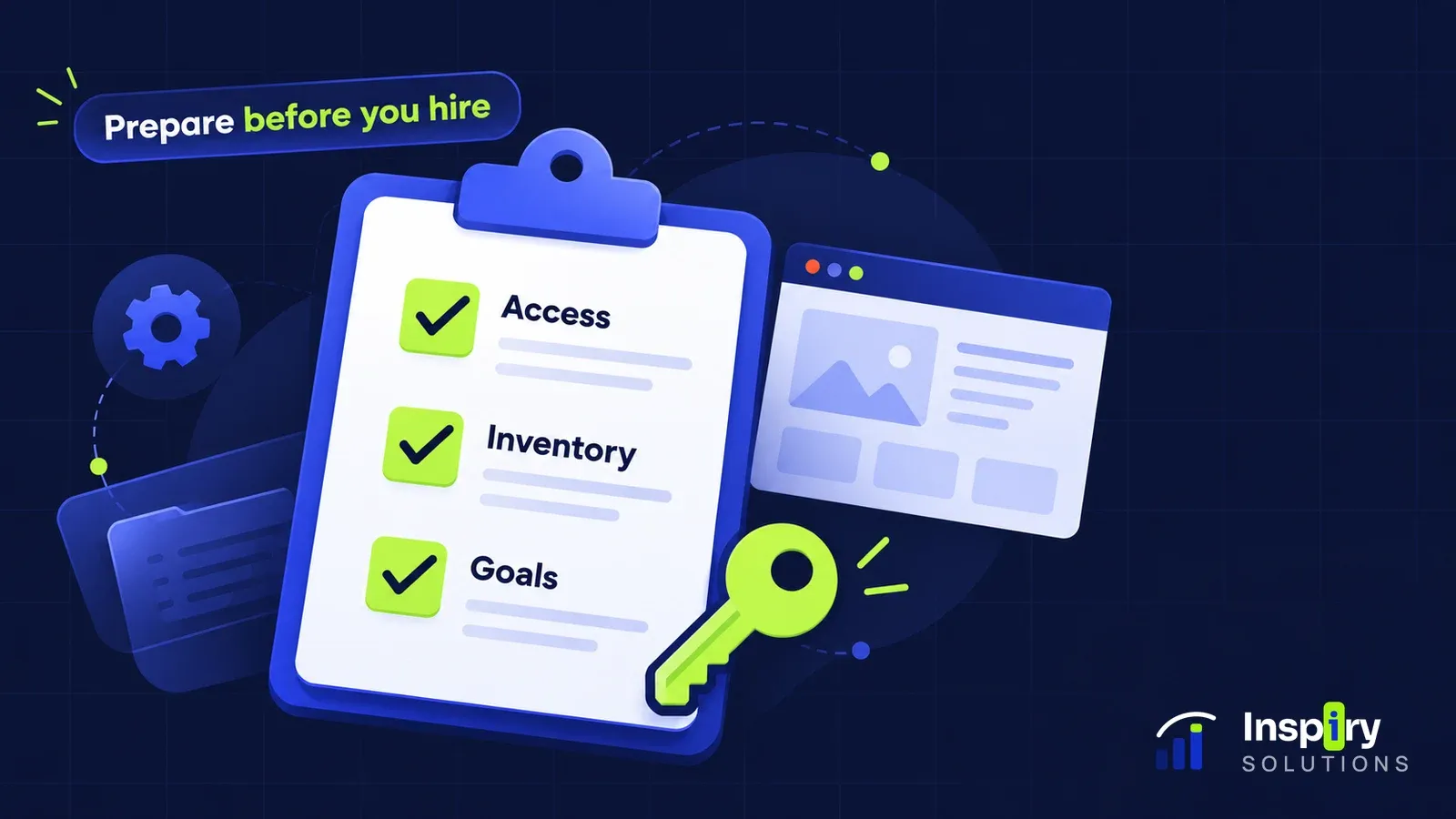
Before you hire a WordPress developer, prepare your access, site inventory, goals, content status and budget to get clearer, more comparable quotes.

A measurement-led approach to auditing Shopify apps, removing duplicated storefront features and choosing lighter alternatives without breaking operations.
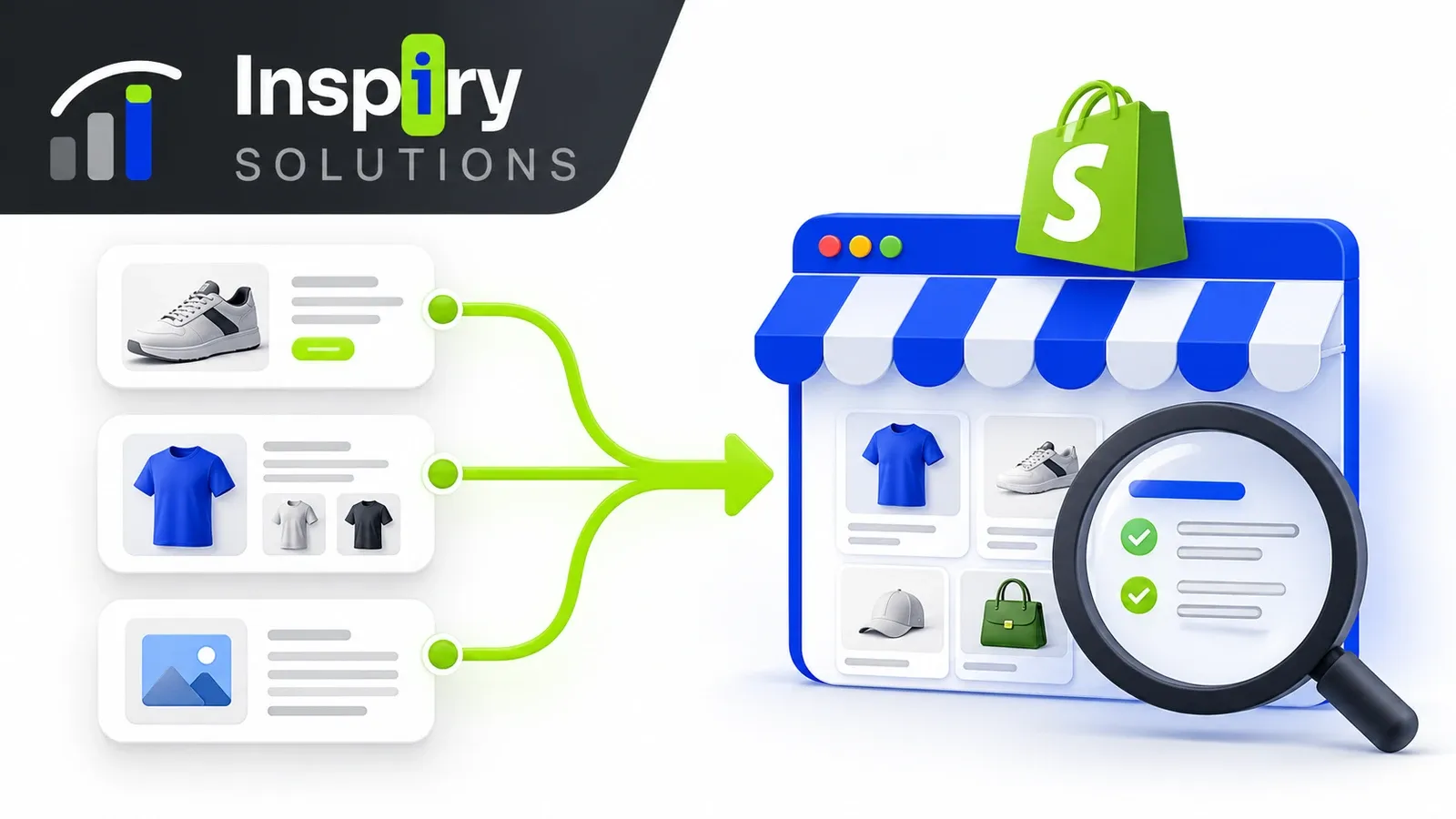
Ten practical SEO checks for moving a store to Shopify, including URL mapping, platform redirect limits, content preservation, launch testing and monitoring.
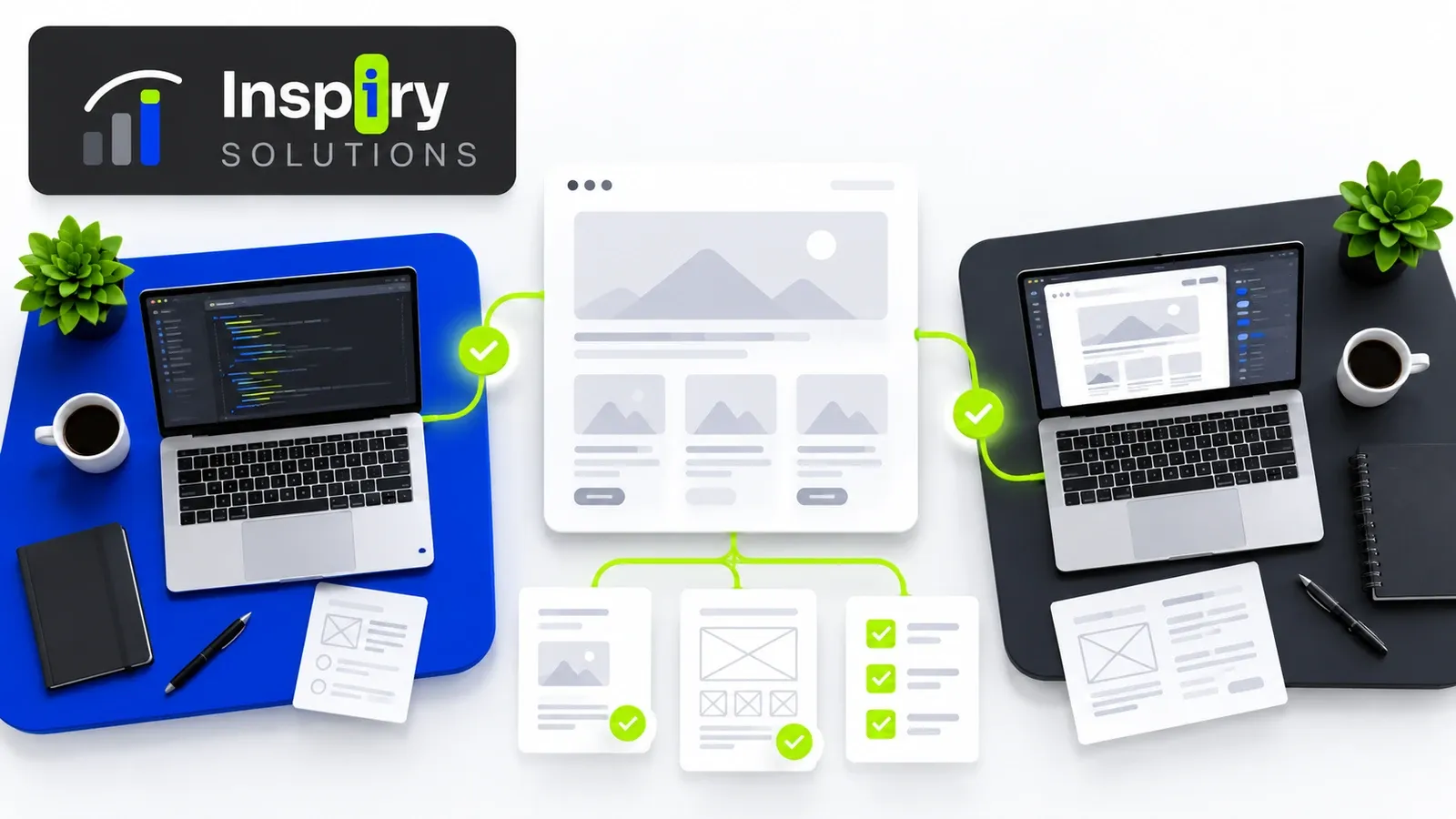
A practical operating model for agencies using a WordPress delivery partner, from briefing and pricing to quality assurance, ownership and ongoing support.
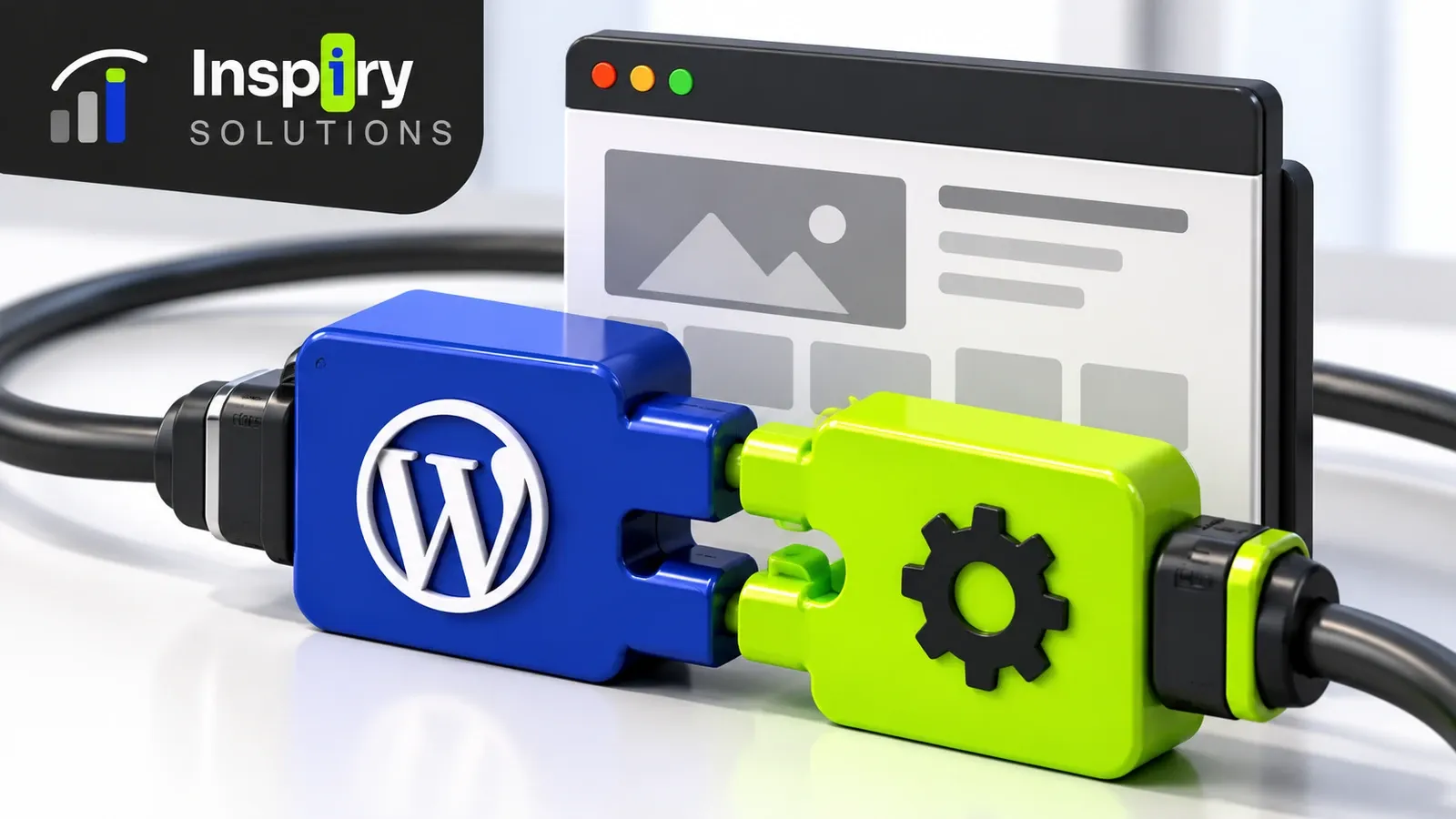
Seven practical checks for choosing an existing plugin, a focused custom integration or bespoke development, including lifetime costs and ownership.
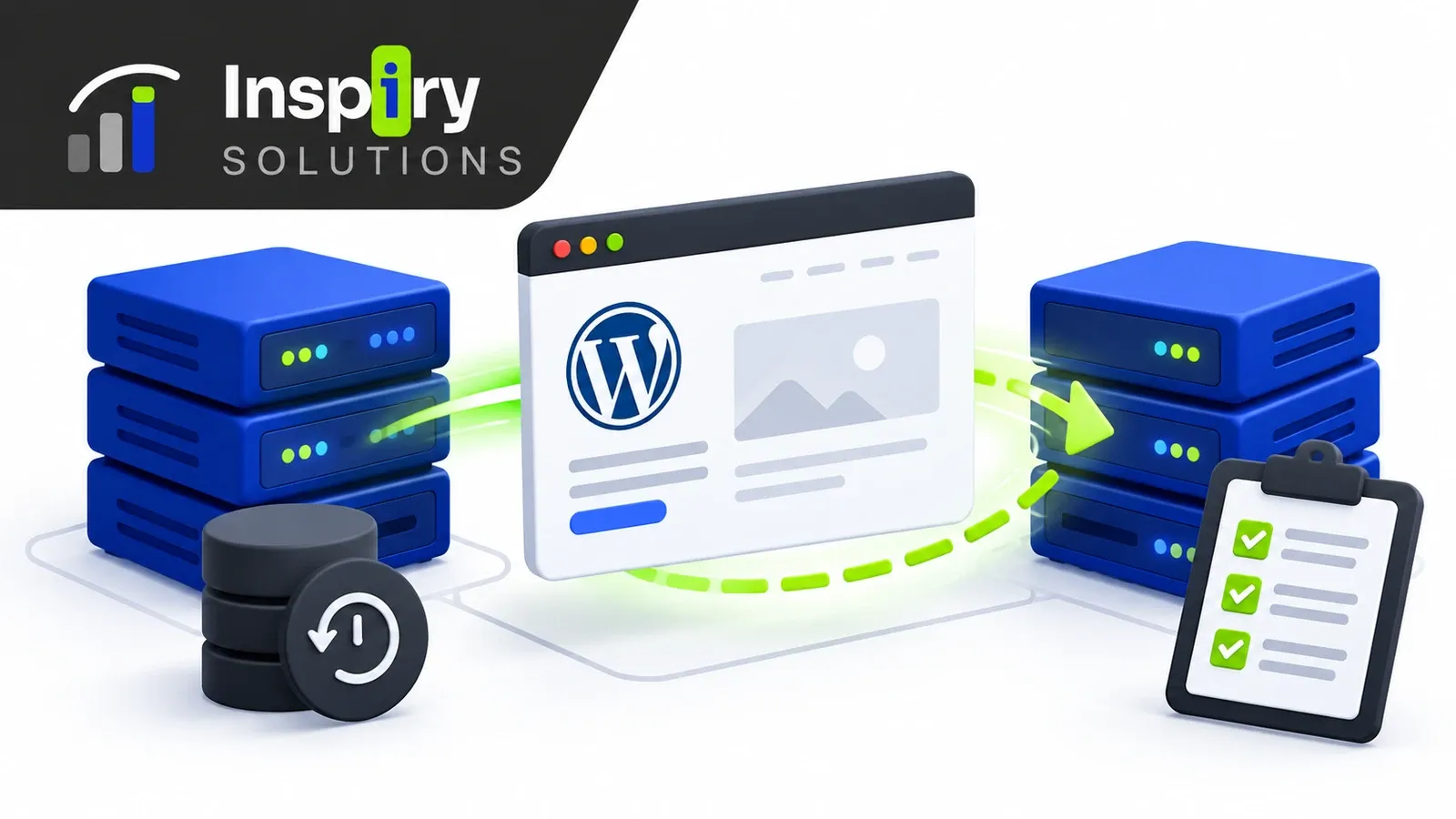
A practical hosting migration checklist covering backups, live data, DNS, testing, SEO checks and rollback decisions for business websites.

Choose the right local page type by matching your operating model, customer journey and evidence, without implying offices or coverage that do not exist.
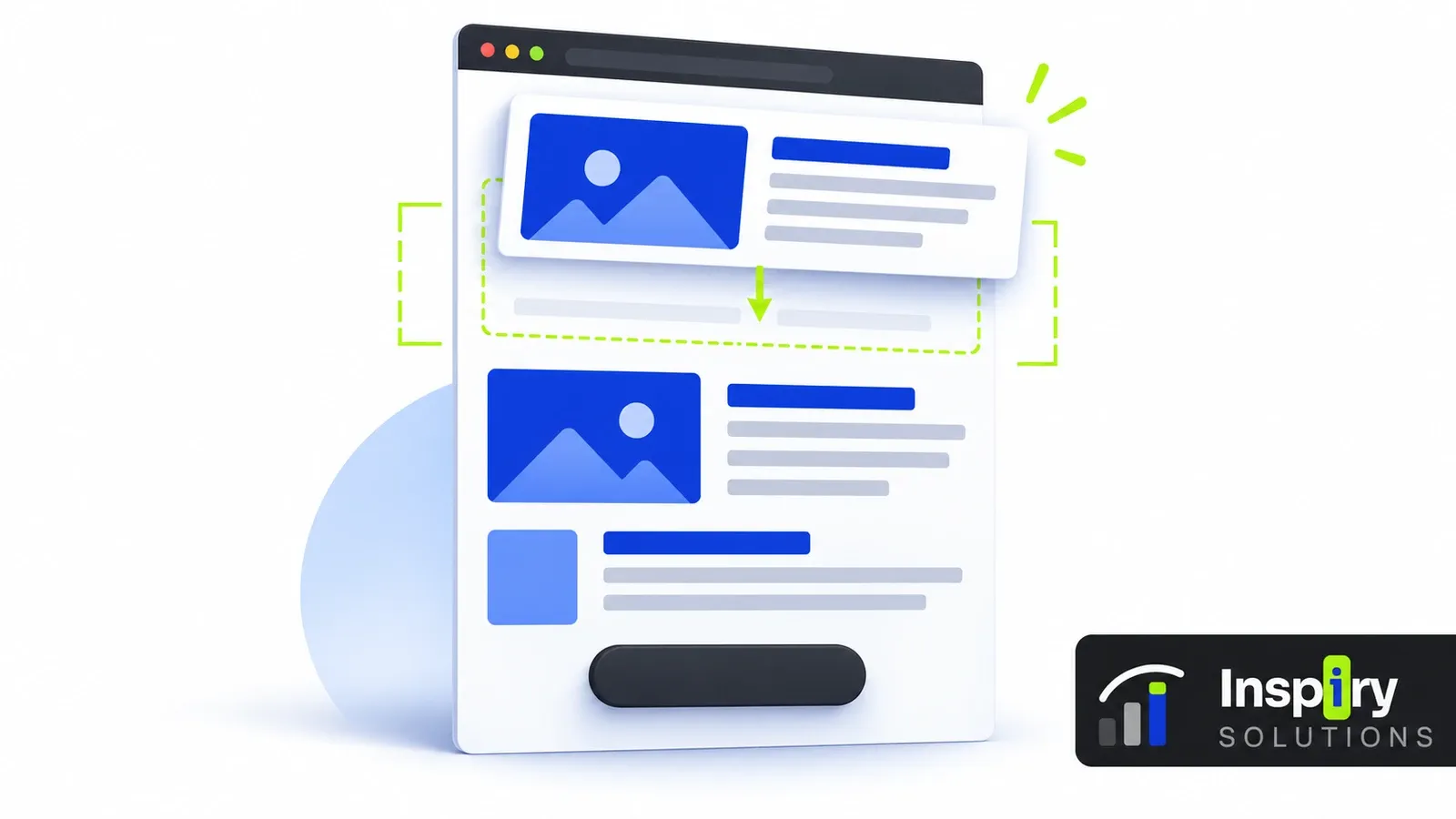
Identify why website content moves unexpectedly, trace the responsible component and apply layout fixes that work beyond a single loading test.
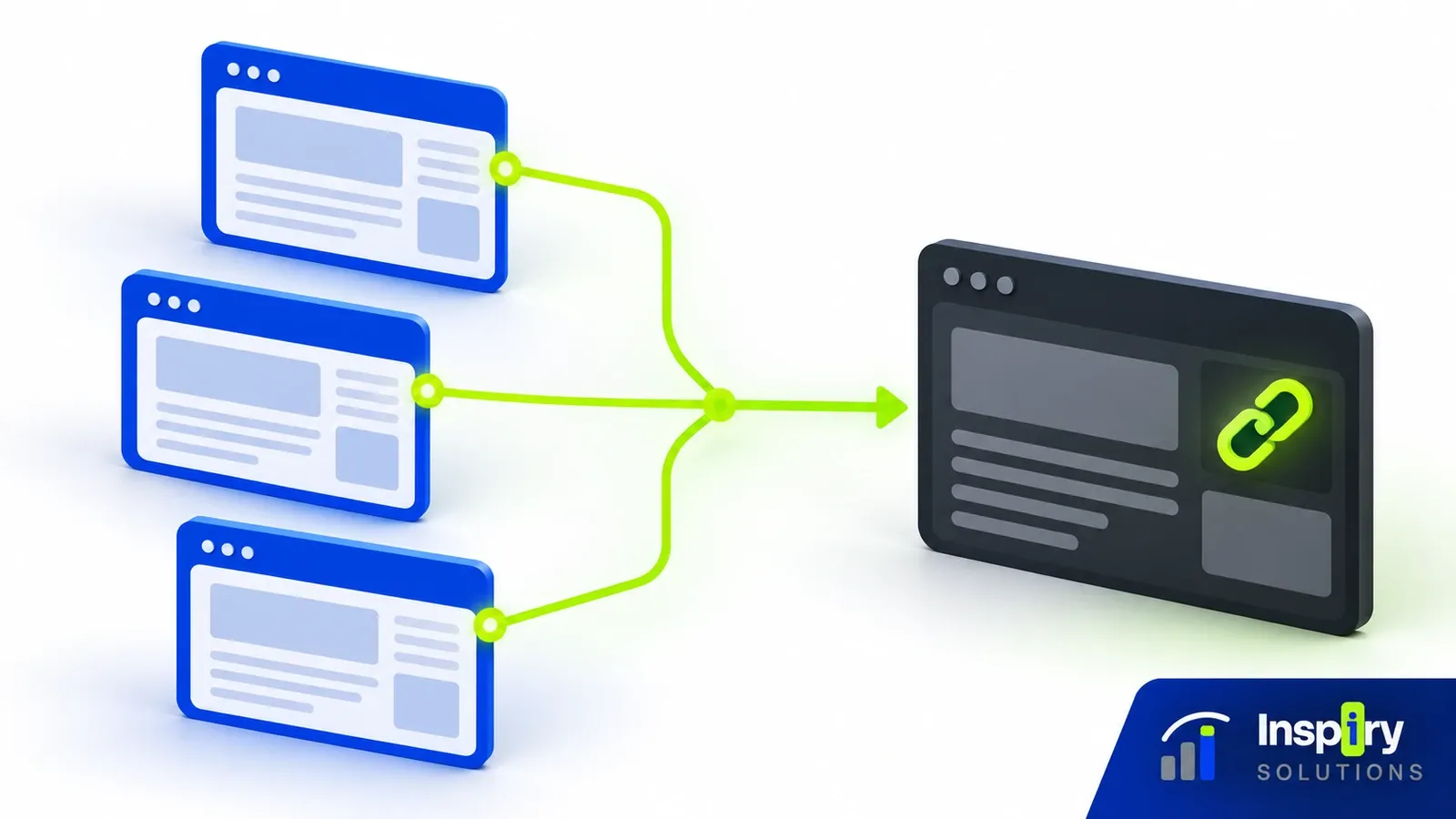
Understand what canonical tags do, diagnose eight WordPress mistakes, and verify fixes without confusing duplicate handling with redirects or indexing controls.

There is no universal plugin limit. Use a seven-step audit to identify unnecessary work, duplicated features and maintenance risk without removing useful functionality.
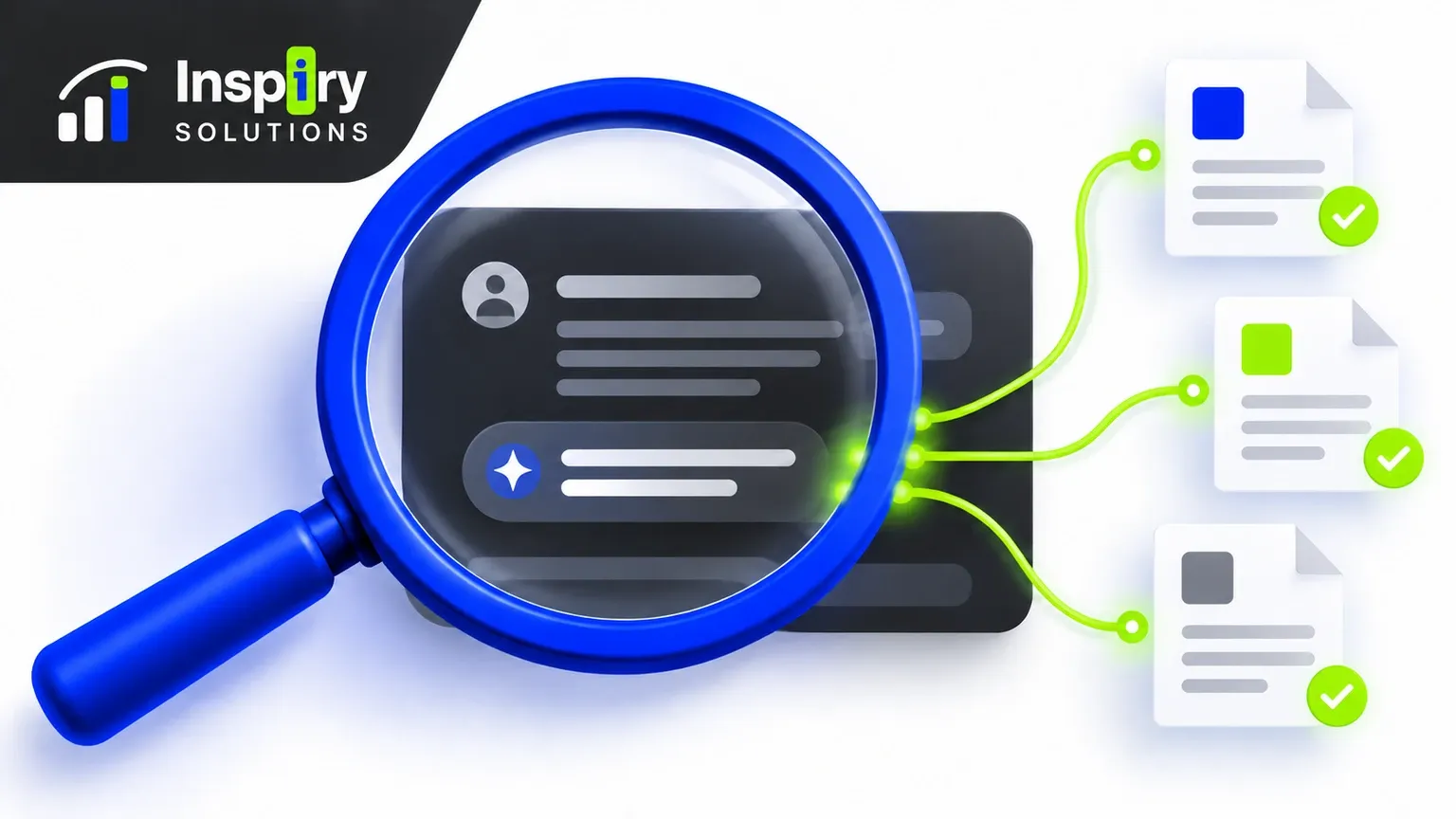
Build a repeatable audit that separates accurate mentions, supporting citations, technical access and qualified referrals, then assigns practical fixes.

Understand what Time to First Byte actually measures, distinguish cached delivery from uncached processing, and build a focused plan for slow WordPress responses.

A practical twelve-point checklist for service businesses, covering accurate profile information, relevant website journeys, genuine reviews and useful measurement.

AI search changes how answers are assembled and measured. Understand seven practical differences while retaining the technical and editorial foundations of SEO.
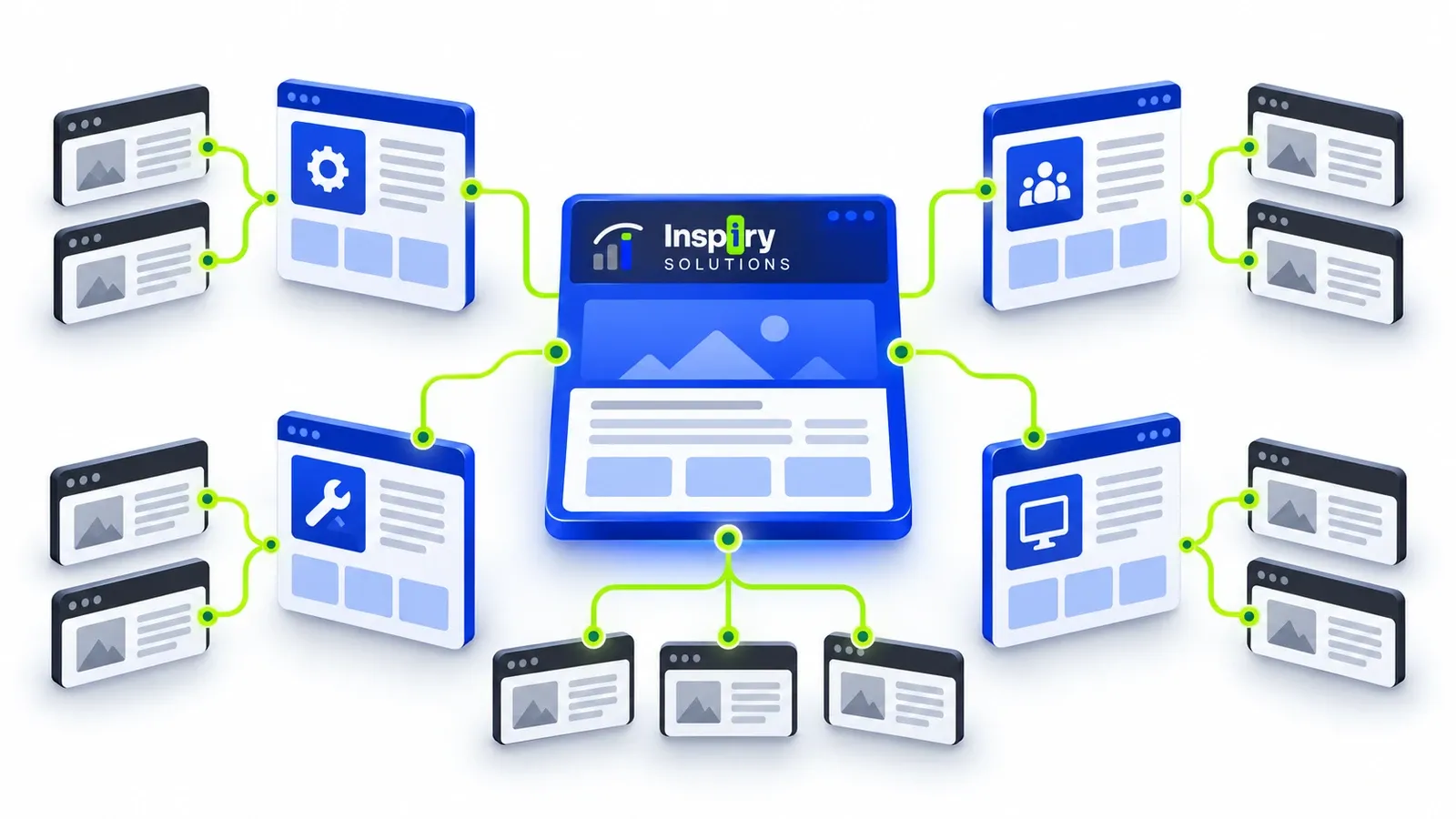
Build a practical service-site architecture with seven steps for page roles, hubs, contextual links, clear anchors and ongoing maintenance.

Make an existing Elementor website faster by isolating the bottleneck, simplifying shared templates and testing optimisation settings against real customer journeys.

Diagnose 15 reasons important pages may be missing from Google’s index, identify the evidence behind each cause, and choose the right repair.

Create useful location pages with verified branch information, a maintainable template and technical checks that support discovery and customer enquiries.
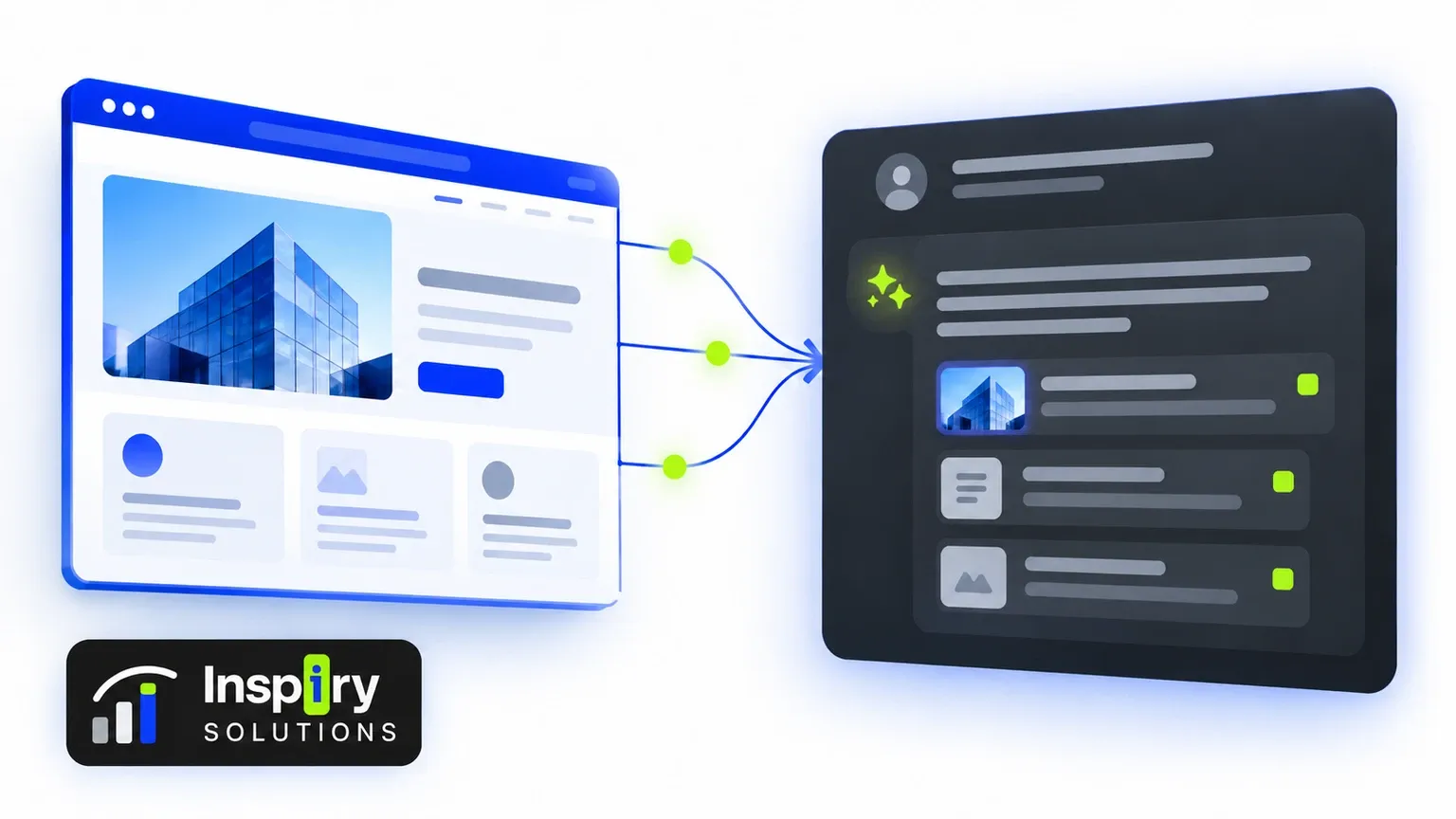
Make your business easier to discover, understand and verify in AI search, then measure accurate mentions, useful citations and qualified enquiries.
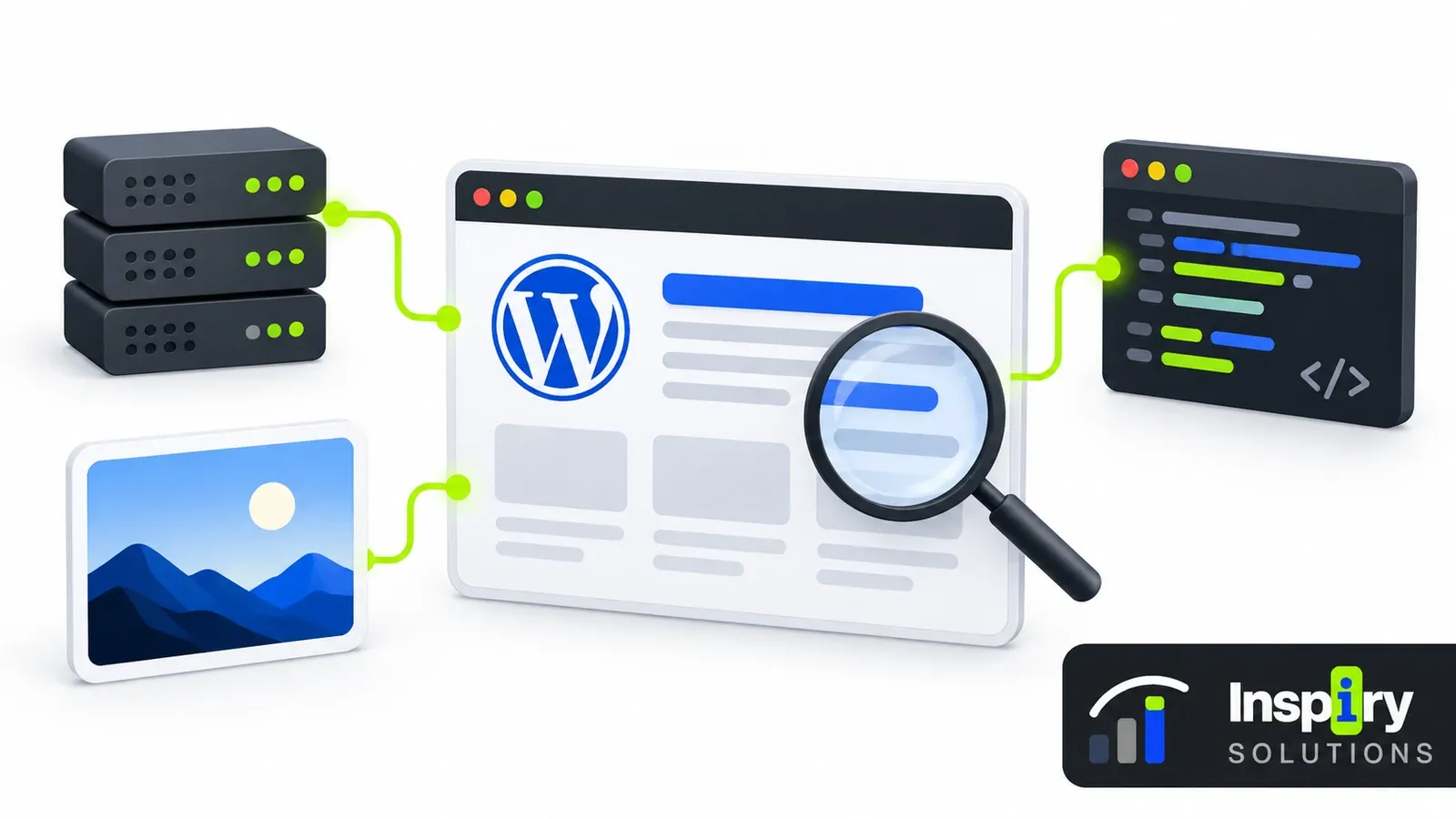
A practical diagnostic guide to twelve causes of WordPress slowness, with a sensible testing order and checks that protect forms, sales and everyday editing.
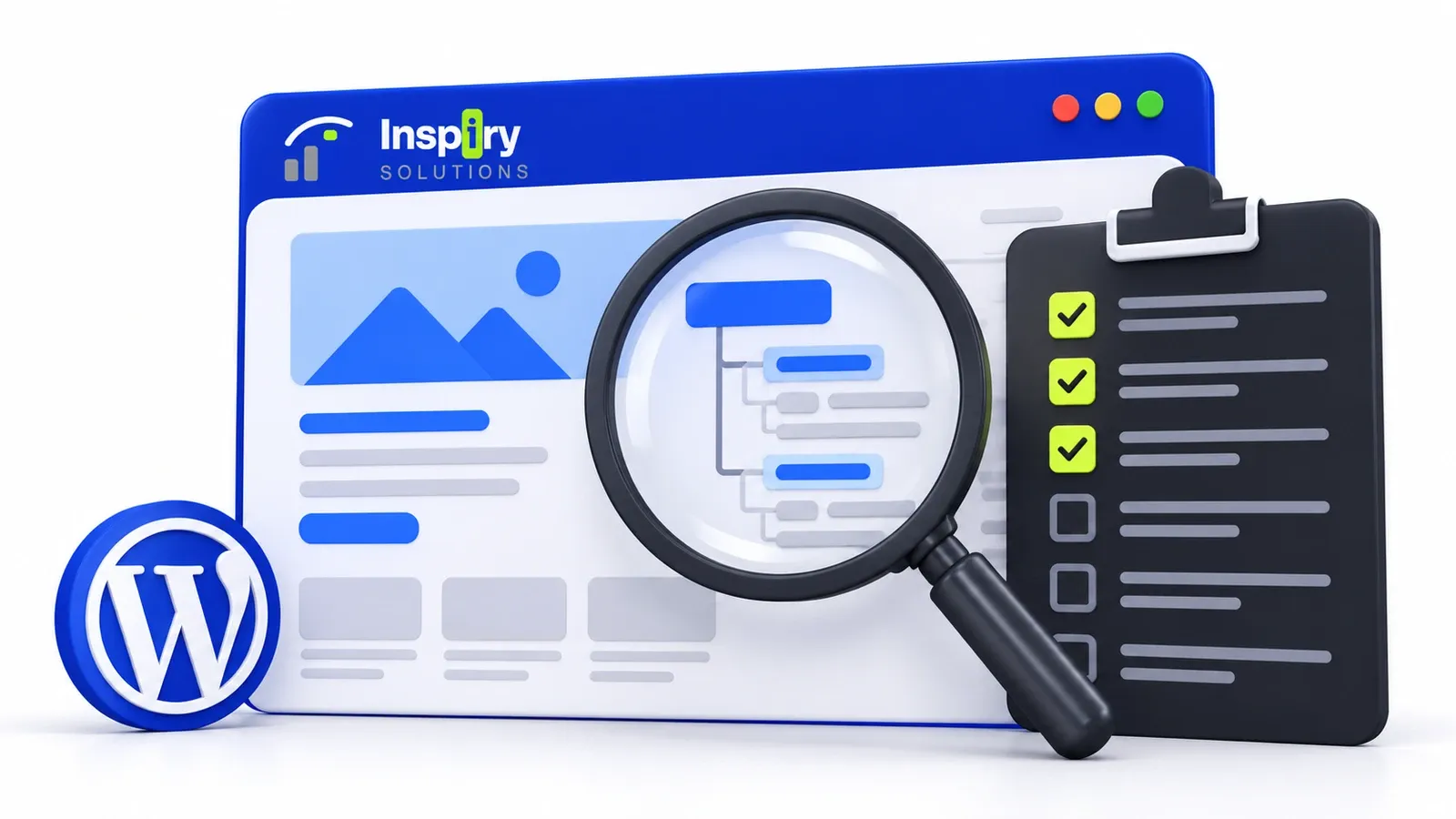
A practical WordPress audit covering 12 technical checks, the evidence behind each finding, and a clear method for prioritising and verifying fixes.
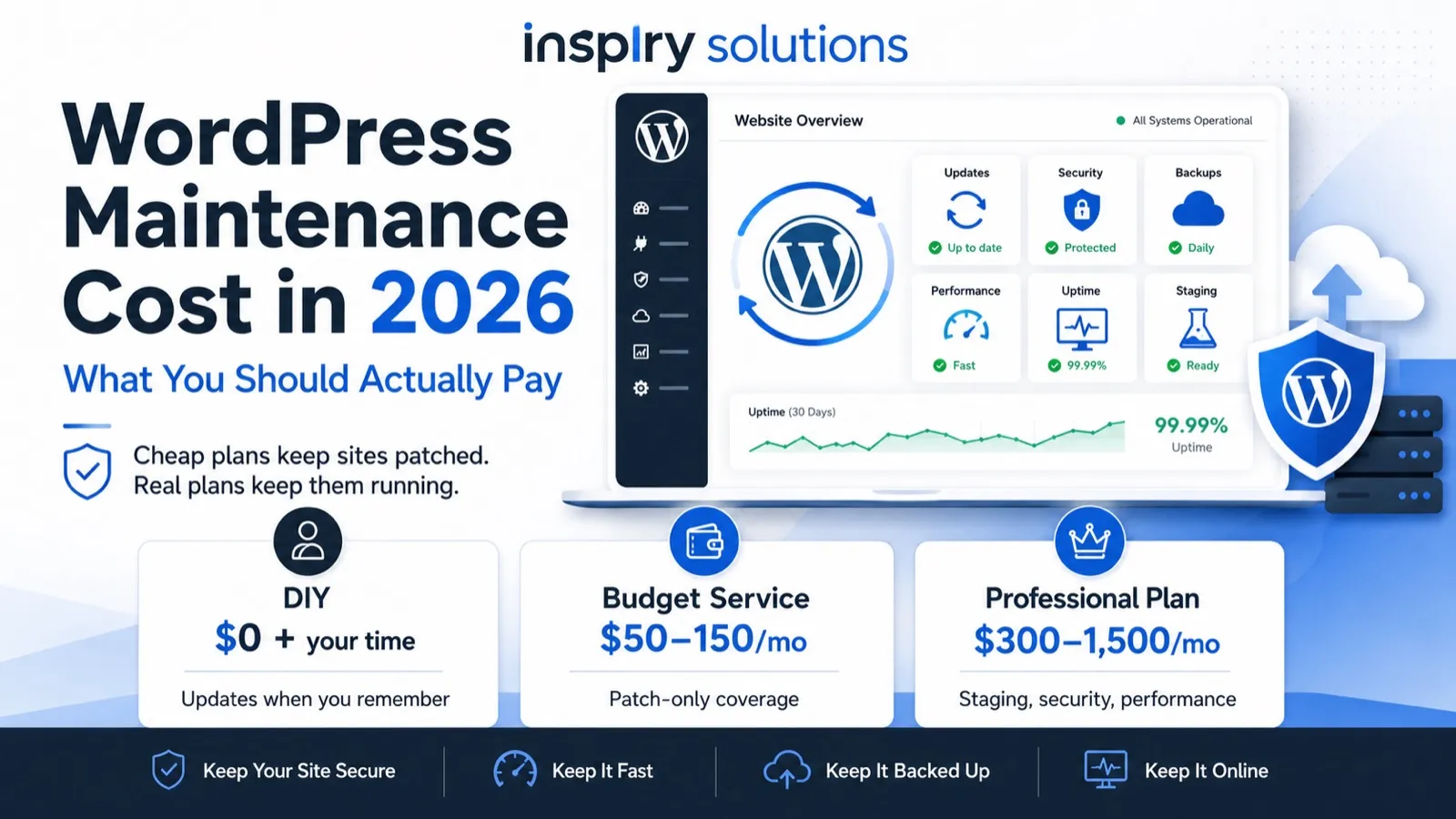
Compare maintenance budgets through the work included, recovery readiness and responsibility for fixing problems, not just a monthly price.

Compare subscription and project pricing using real delivery capacity, ongoing needs, total costs and a clear handover path.
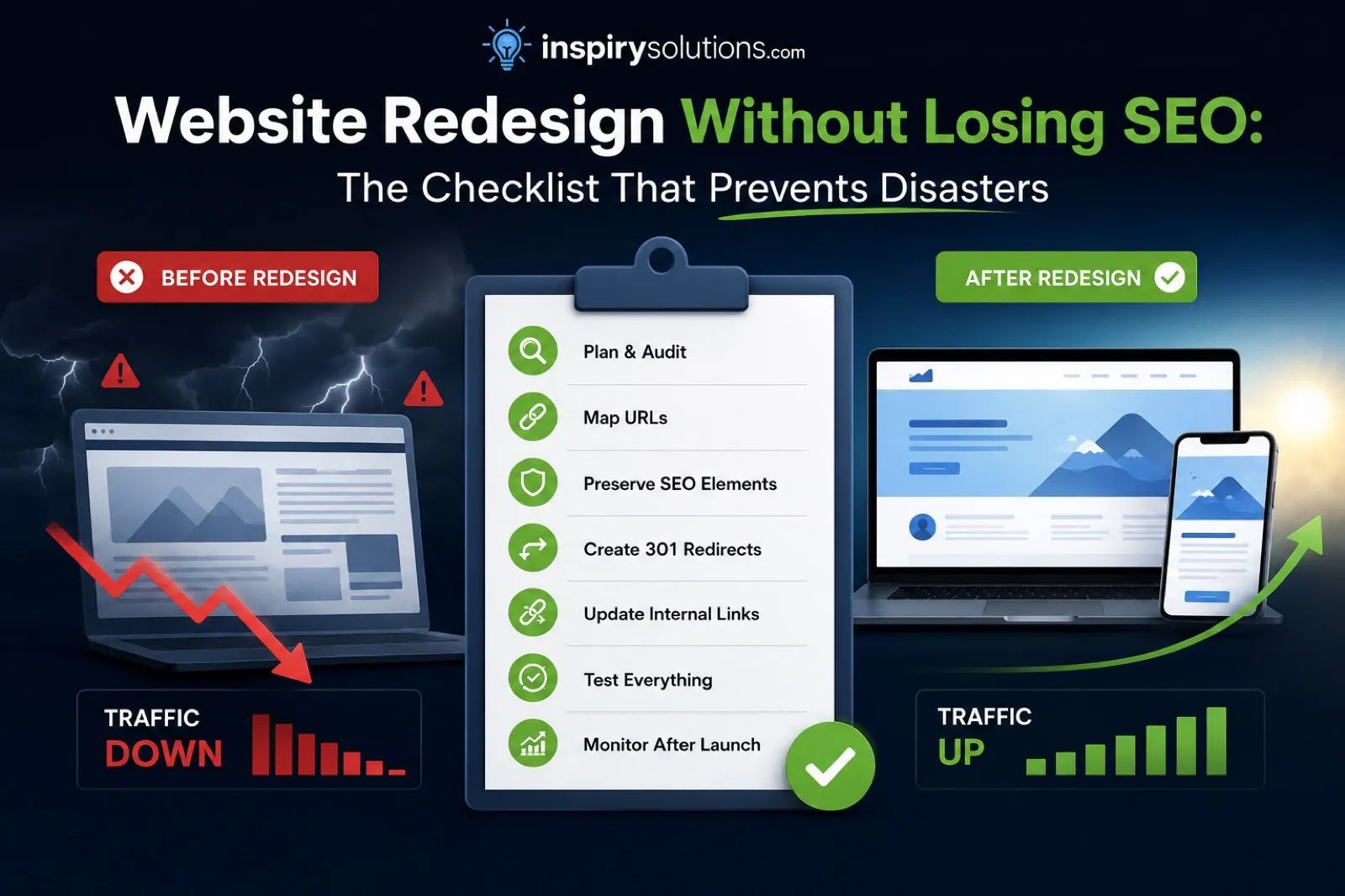
A practical redesign checklist for preserving useful URLs, content, crawl access and customer journeys, with evidence-based launch checks.
Understand website budgets through scope, integrations, content, delivery responsibilities and running costs rather than headline prices alone.
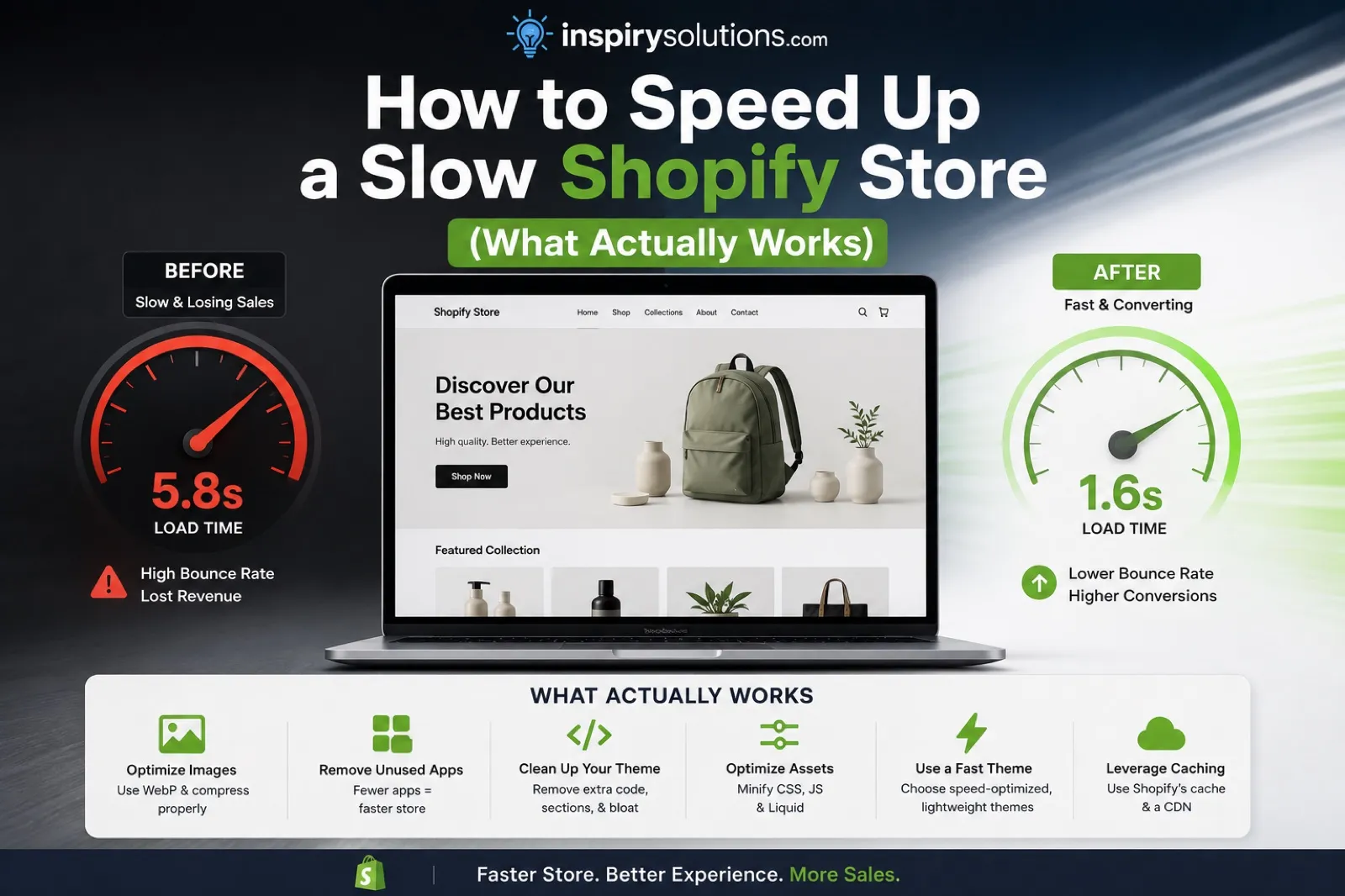
Diagnose storefront slowness with repeatable measurements and staged app, image and theme changes that preserve important buying journeys.

Compare the platforms through operating needs, support capacity, content, integrations and whole-life costs rather than a generic feature checklist.
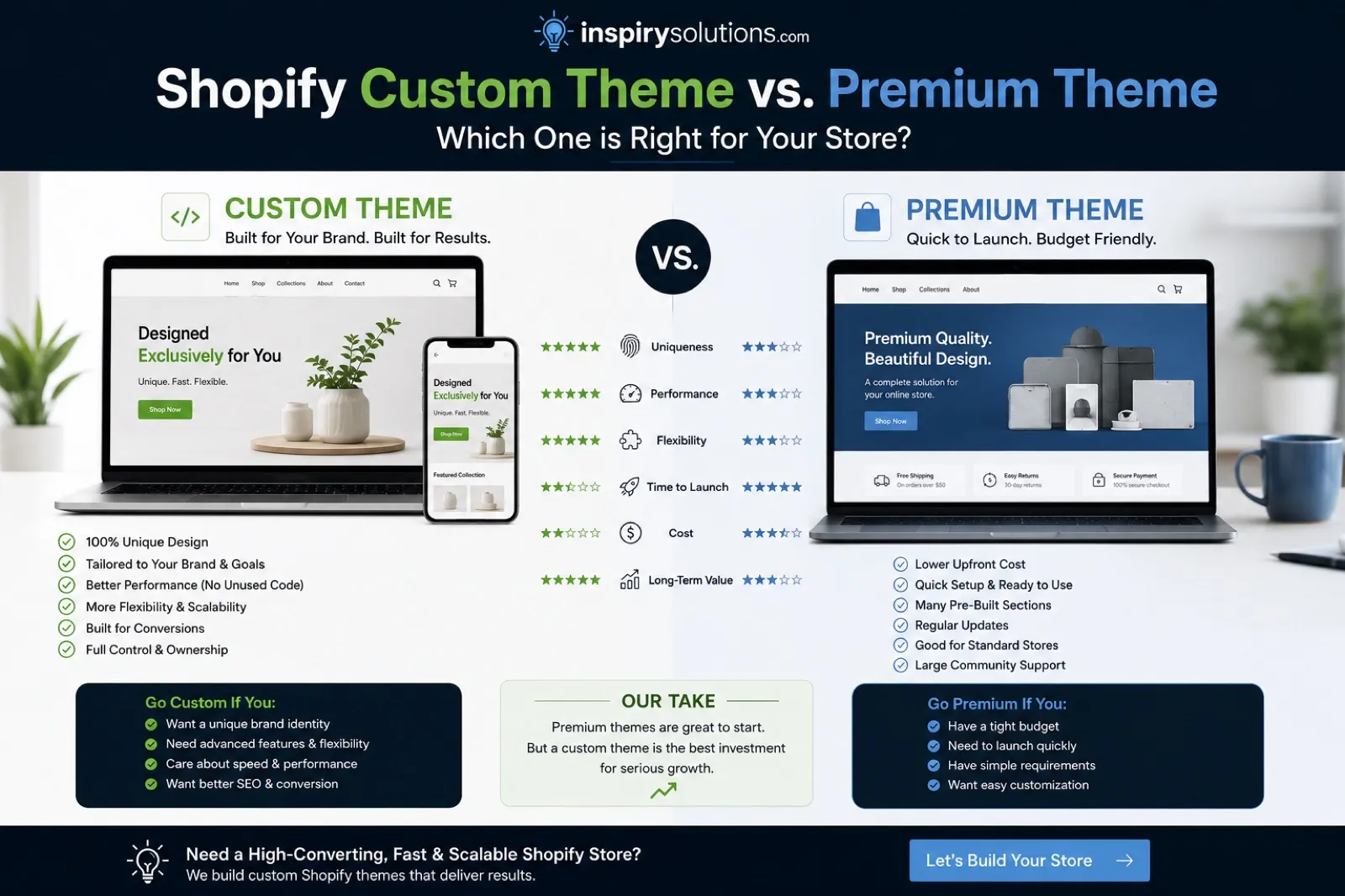
Choose a premium theme, targeted customisation or a full custom storefront based on demonstrated constraints, editing needs and maintenance costs.
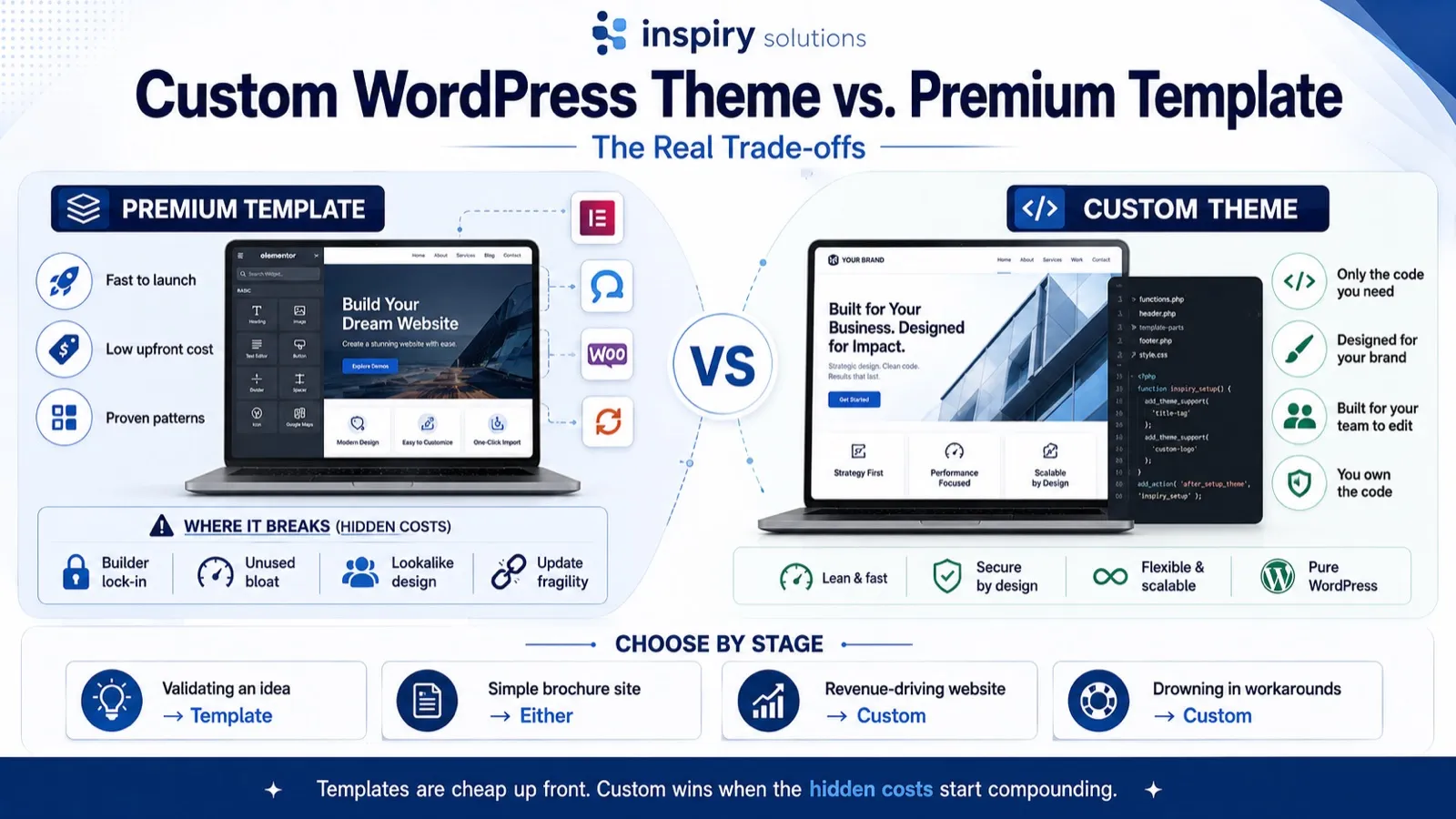
A balanced theme decision guide covering practical editing, performance, content portability and the maintenance obligations behind each approach.
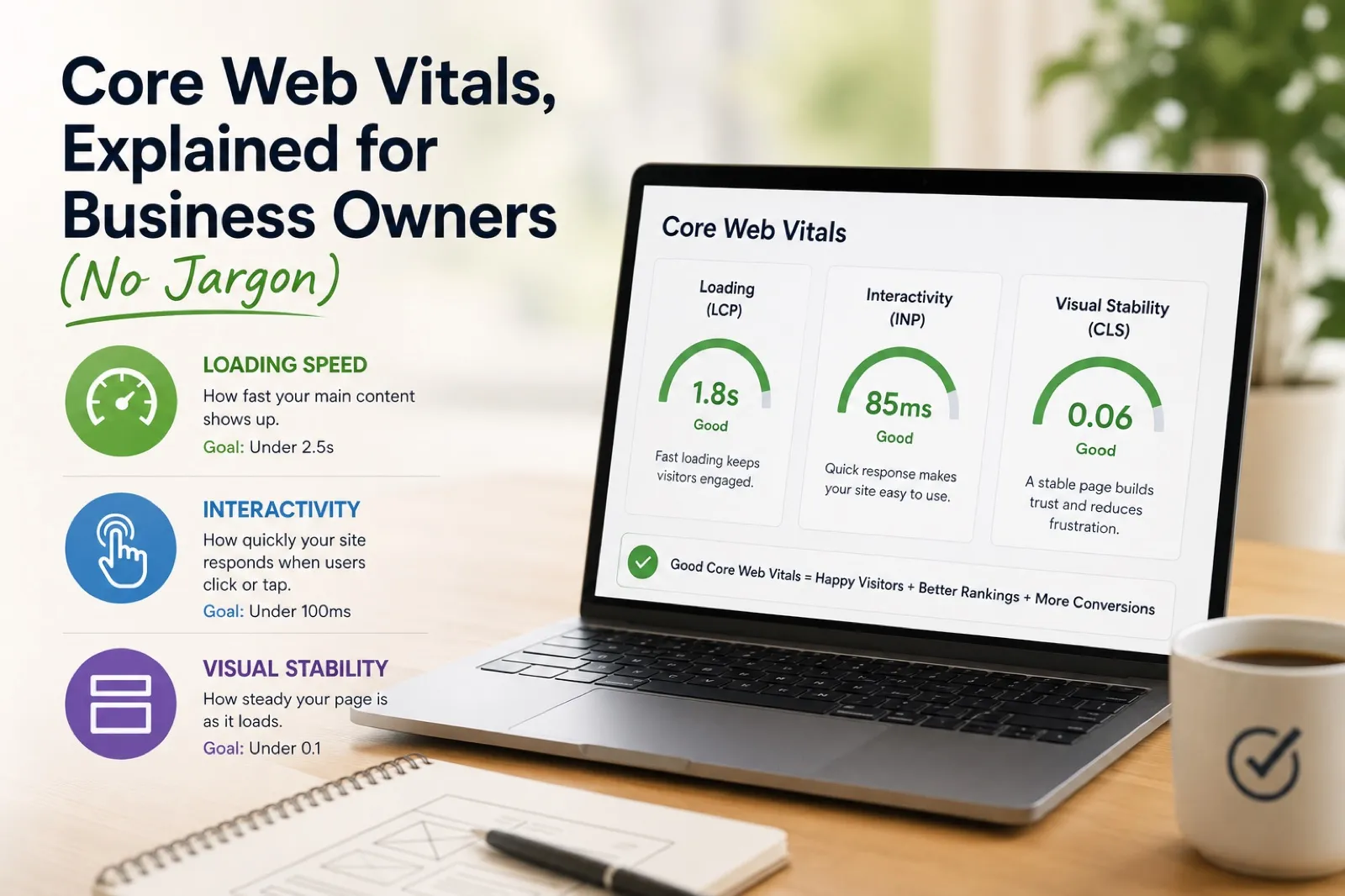
Understand loading, responsiveness and layout stability with accurate thresholds, useful measurements and a practical performance review process.
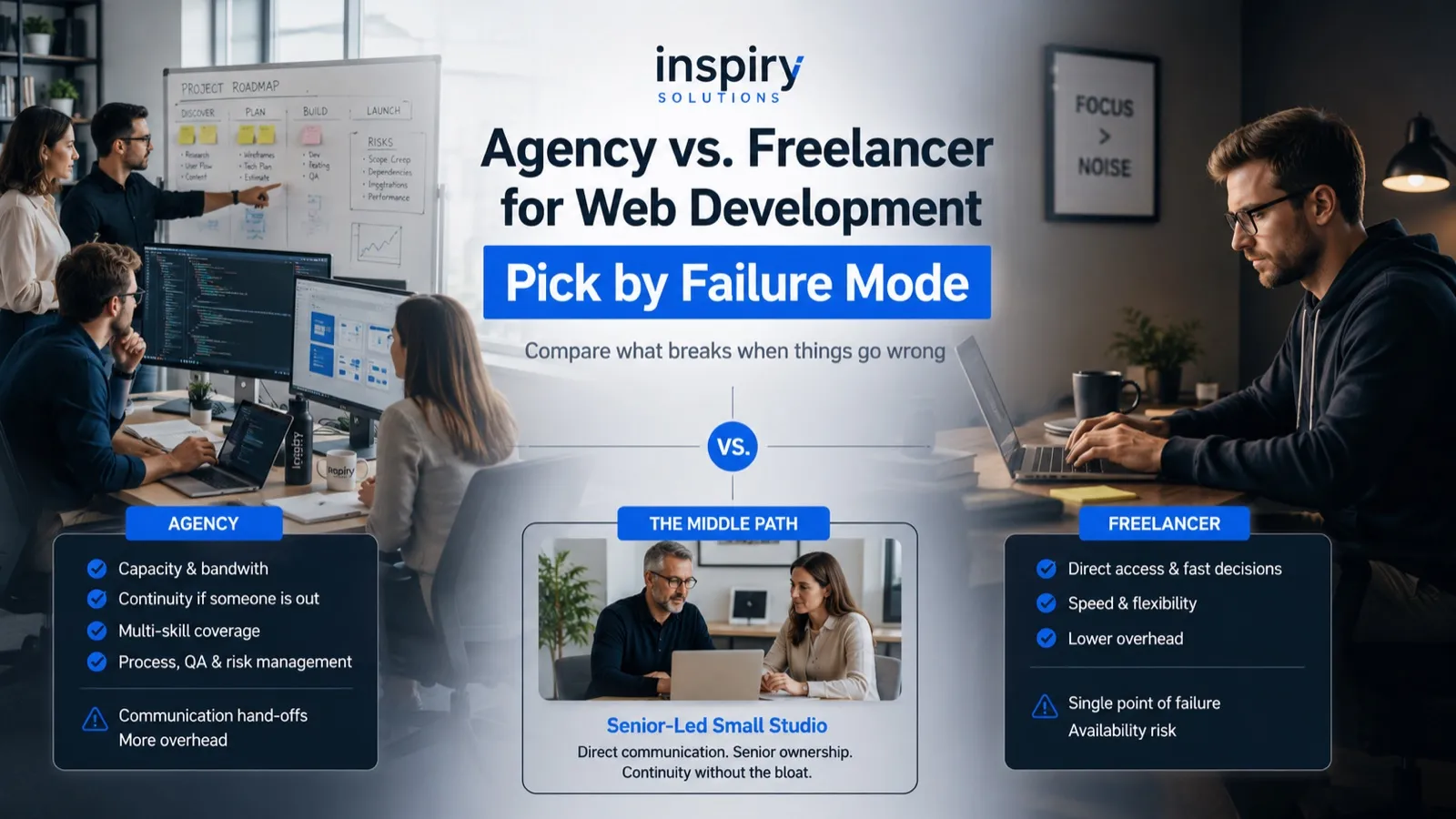
Choose a development partner by delivery capacity, communication, ownership, continuity and support, with practical evidence to request before commissioning.

Compare content-led and commerce-led platforms through your workflows, operating responsibilities, integration requirements and ongoing budget.
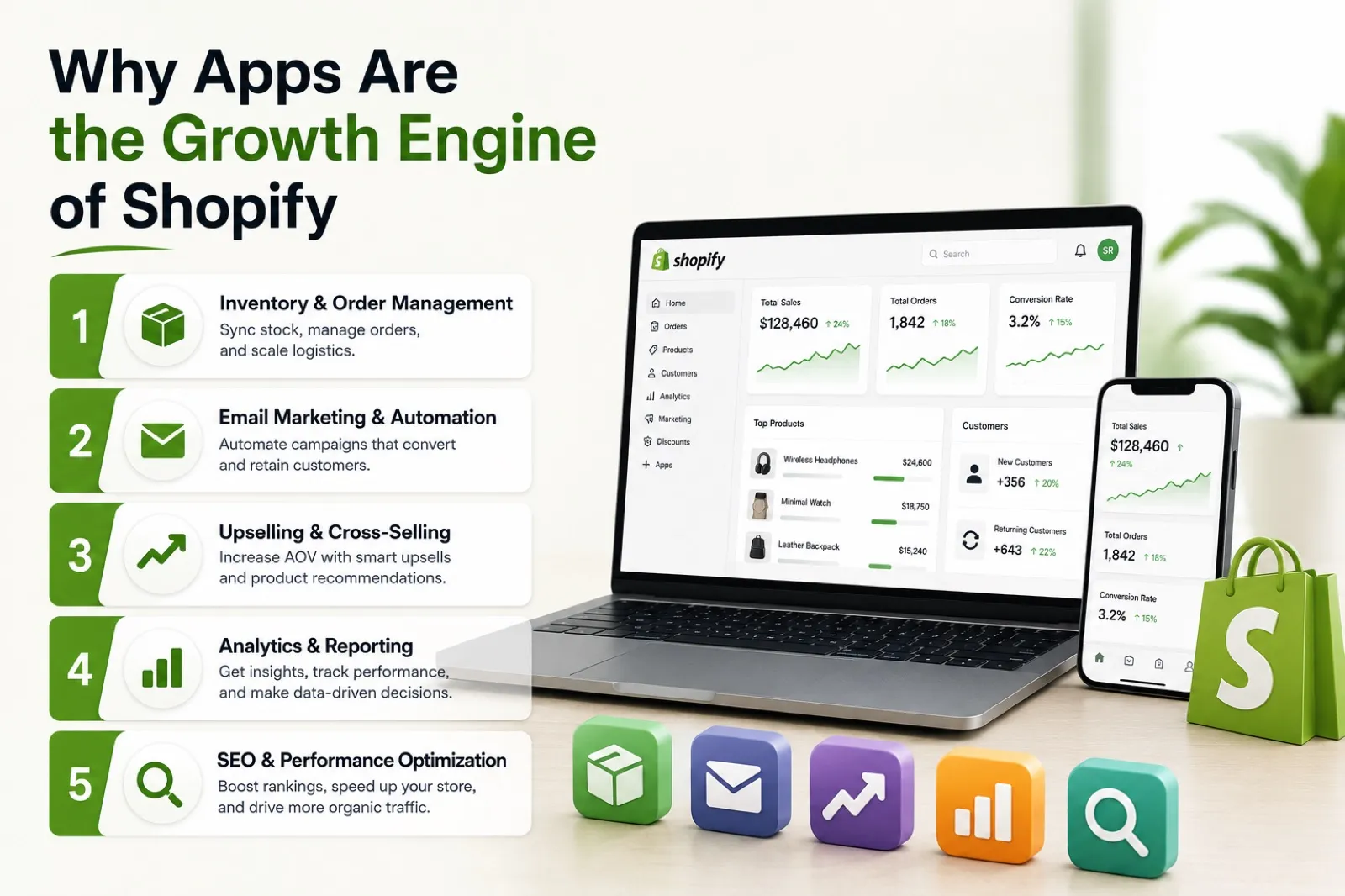
Evaluate five app categories against your actual operational needs, existing Shopify capabilities, ongoing costs and measurable results.
Next step
Send the site and a few lines about what is going wrong. Mian replies by email within one working day with a short initial review of your issue: what he would check first and how he would approach it.
We only use your details to reply to you. Privacy notice